
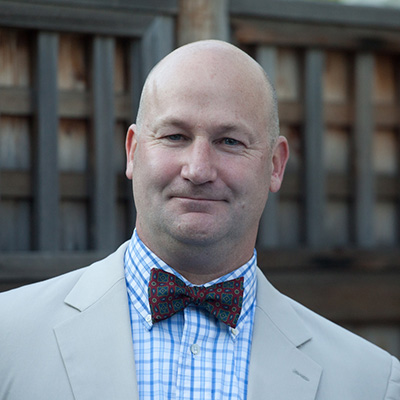
Ned Daly is a sustainability specialist/contributing editor with Diversified Communications. He has worked on sustainable markets in a variety of resources for 25 years. Ned worked in seafood for the last decade with SeaWeb, Previously he was director of RugMark International (now GoodWeave), a certification program for child-labor-free rugs coming from Southeast Asia. He also served as chief operating officer for the Forest Stewardship Council in the United States, managing relationships with industry leaders and a diversity of key stakeholders including conservation nongovernment organizations, policymakers and industry trade associations. Ned has also worked on sustainable markets in the agricultural sector and the relationship between resource extraction and ecosystem health. He lives in Alfred, Maine.
Author Archive

Seafood companies around the globe have increasingly pledged to adopt more sustainable and responsible practices across their value chains.
Though these pledges often represent a positive step toward improving upon supply chain issues, the company-specific development of these commitments creates a challenge, as there is often very little alignment or consistency from one company to another.
This results in data and reporting that can identify
… Read More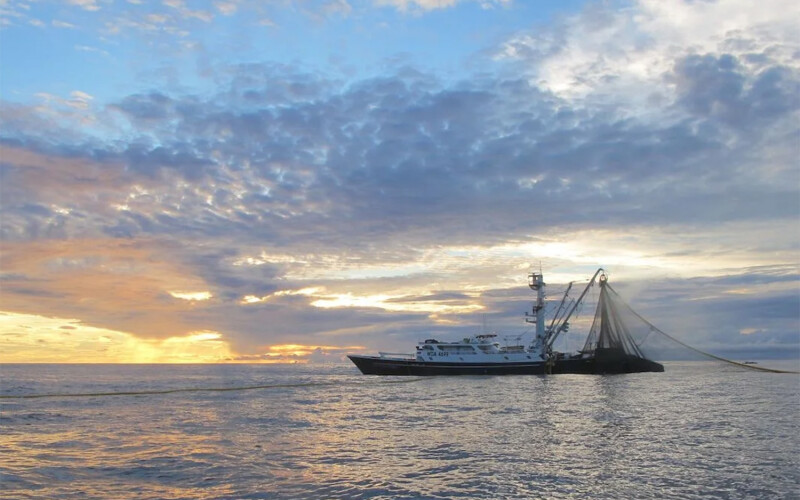
The International Seafood Sustainability Foundation (ISSF) has spent over a decade bringing together tuna stakeholders to enhance the sustainability of the stocks – and that effort is working.
ISSF has been collaborating with a broad set of stakeholders, including ship captains, harvesters, processors, distributors, retailers, NGOs, RFMOS, and scientists, since 2009 to improve the management and health of tuna stocks. That effort has
… Read More
Started in 1990, Seattle, Washington, U.S.A.-headquartered wholesale firm Aqua Star sources a variety of seafood from 17 countries, including shrimp, crab, lobster, salmon, haddock, pollock, calamari, scallops, and lobster.
In order to ensure responsibility in its supply chain, the company established its Seafood Forever program, which includes a Supplier Code of Conduct (SCOC) that addresses human rights, carbon accountability, environmental
… Read More
While small-scale fishers harvest a significant portion of global seafood’s annual catch – approximately 40 percent – programs and tools like certifications are often designed for industrial fisheries and then retrofitted for small-scale fisheries.
Community Catch was unveiled at Seafood Expo Global in 2025 to address such limitations with traditional seafood certification schemes.
SeafoodSource spoke with Community Catch
… Read More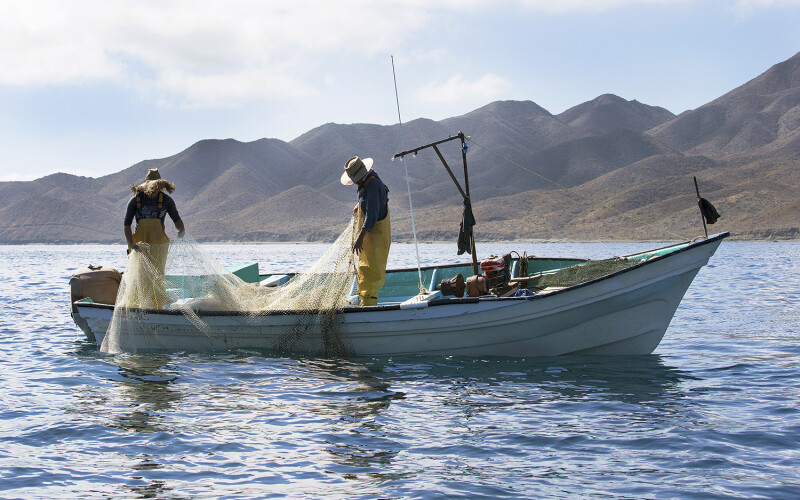
Momo Kochen is a technical fisheries specialist with more than 15 years of global experience working on issues present in small-scale fisheries. She is currently the managing director of Ireland-based consultancy Moceans Environmental Consultants and serves as a senior fellow on small-scale fishery interventions at the Monterey Bay Aquarium.
Cecilia Blasco is the director of SmartFish Rescate de Valor AC, a Mexican nonprofit dedicated to
… Read More
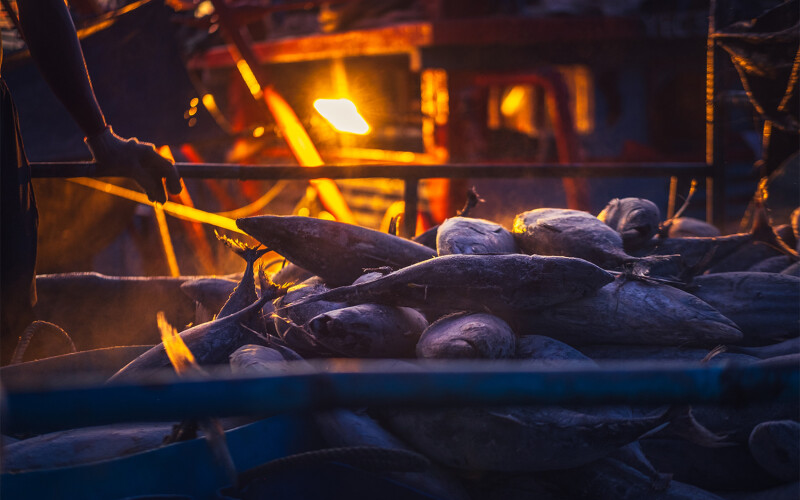
Like any technology, as the adoption of electronic monitoring (EM) in seafood increases, so do the use cases for how EM can create value for seafood supply chains. An example of this is an EM and first-mile traceability pilot project in the Costa Rican longline tuna fishery. Led by The Nature Conservancy, the pilot has brought on several partners to explore how EM can address traceability challenges.
SeafoodSource spoke with participants in the
… Read More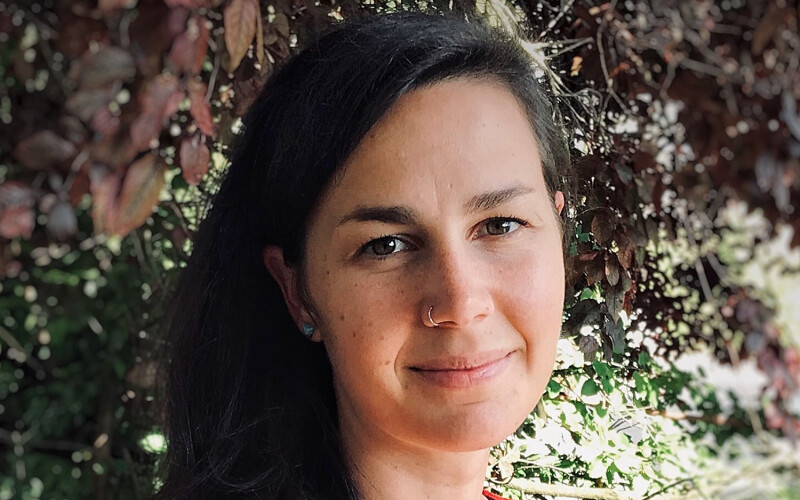
Launched in 2018, the World Benchmarking Alliance (WBA), an Amsterdam, Netherlands-based nonprofit, has developed a series of benchmarks to assess 2,000 of the world’s most influential companies.
Helen Packer is the ocean engagement lead at WBA, a role which includes work with the seafood industry. Packer spoke with SeafoodSource about why it’s beneficial to place accountability at the center of sustainable and responsible seafood
… Read More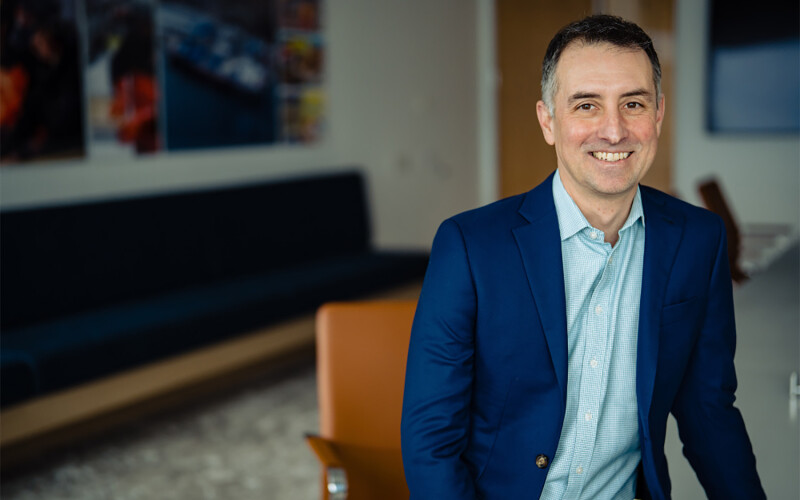
Seattle, Washington, U.S.A.-based American Seafoods is the world's largest at-sea processor of Alaska pollock and Pacific hake. The firm’s two primary fishing locations – the Bering Sea for pollock and the North Pacific Ocean for hake – are both Marine Stewardship Council (MSC)-certified.
Tim Fitzgerald joined American Seafoods as chief sustainability officer in 2021. Prior to joining American Seafoods, Tim worked for nearly
… Read More