Pre-Competitive Partnerships: A Driver for Sustainability in the Seafood Sector
Moderator:
Herman Wisse, GSSI
Speakers:
Martin Exel, SeaBOS
Jim Leape, Stanford Center for Ocean Solutions
Tom Pickerell, Global Tuna Alliance (GTA) International Seafood Sustainability
Foundation (ISSF)
Global partnerships, such as the Global Sustainable Seafood Initiative (GSSI), the Global Tuna Alliance (GTA), and SeaBOS individually bring together a dynamic range of significant stakeholders in a pre-competitive effort to tackle the seafood sectors’ complex sustainability challenges. Through collaboration, transparency, and the exchange of knowledge, these partnerships can together create joint solutions to the world’s seafood challenges and work towards a healthy ocean for future generations. Join us for a round table discussion to explore the benefits, impacts, and challenges of pre-competitive partnerships in the seafood industry.
Content Access
|
$45.00
|
|
$45.00
|
|
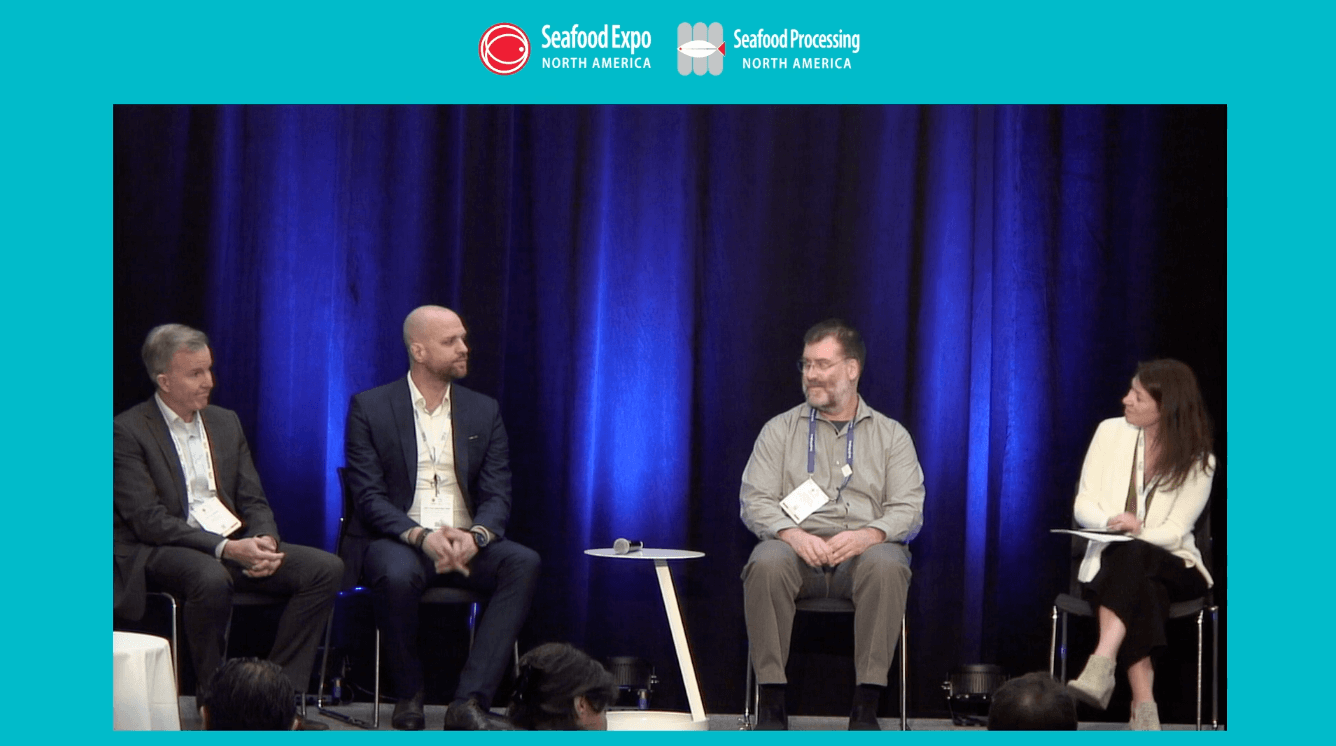
Pre-Competitive Partnerships: A Driver for Sustainability in the Seafood Sector
Moderator:
Herman Wisse, GSSI
Speakers:
Martin Exel, SeaBOS
Jim Leape, Stanford Center for Ocean Solutions
Tom Pickerell, Global Tuna Alliance (GTA) International Seafood Sustainability
Foundation (ISSF)
Global partnerships, such as the Global Sustainable Seafood Initiative (GSSI), the Global Tuna Alliance (GTA), and SeaBOS individually bring together a dynamic range of significant stakeholders in a pre-competitive effort to tackle the seafood sectors’ complex sustainability challenges. Through collaboration, transparency, and the exchange of knowledge, these partnerships can together create joint solutions to the world’s seafood challenges and work towards a healthy ocean for future generations. Join us for a round table discussion to explore the benefits, impacts, and challenges of pre-competitive partnerships in the seafood industry.
Content Access
|
|
Integration of Seafood Certification: Scaling Improvements in Aquaculture
Moderator: Jill Swasey, ASC
Speakers:
- Anton Immink, ThinkAqua
- Dave Martin, Sustainable Fisheries Partnership,
- Roy Van Daatselaar Aquaculture Stewardship Council (ASC)
Fishery Improvement Projects (FIPs) have become an instrumental tool for fisheries sustainability over the past decade. While improvements in aquaculture are just as critical as in fisheries, Aquaculture Improvement Projects (AIPs) are far less developed than their FIP cousins and have yet to gain traction in the marketplace. At the same time, awareness is growing on the historic and current environmental impacts of aquaculture production, particularly on critical habitats such as mangroves. As aquaculture production increases globally, opportunities exist to both scale-up responsible production while also preserving the biodiversity and climate benefits gained through restoring critical habitats. Three of the leading organizations in responsible aquaculture – the Aquaculture Stewardship Council, Sustainable Fisheries Partnership, and Monterey Bay Aquarium Seafood Watch – are teaming up in an effort to streamline the path to sustainability for aquaculture producers, engaging more stakeholders in the process, and delivering improvements in farming practices and management that will protect those essential functions gained through restoring critical habitats. Farmers engaged in improvement program pilots are supported through partnerships with local consultants and supply chain partners. These pilots provide farmer support and capacity building at a greater scale by engaging farmers that have common practices and challenges in a shared region. In some instances, barriers to information requirements can be alleviated through the use of remote monitoring technology and shared impact assessment studies. This allows project partner organizations the opportunity to reduce the burdens and confusion of information needs to farmers and cater trainings and improvements to the farmer needs and at the scales at which they operate.
Together, these organizations will convene a diverse group of industry and other stakeholders to:
• Discuss the importance of aquaculture improvement in relation to assured supply of sustainable seafood;
• Explore how landscape level improvements can facilitate farm-level certification (and vice versa);
• Highlight opportunities to protect and restore critical habitats and maintain responsible farming practices; and
• Share some early lessons learned and opportunities for engagement in pilot aquaculture improvement projects underway.
Content Access
|
$45.00
|
|
$45.00
|
|
Integration of Seafood Certification: Scaling Improvements in Aquaculture
Moderator: Jill Swasey, ASC
Speakers:
- Anton Immink, ThinkAqua
- Dave Martin, Sustainable Fisheries Partnership,
- Roy Van Daatselaar Aquaculture Stewardship Council (ASC)
Fishery Improvement Projects (FIPs) have become an instrumental tool for fisheries sustainability over the past decade. While improvements in aquaculture are just as critical as in fisheries, Aquaculture Improvement Projects (AIPs) are far less developed than their FIP cousins and have yet to gain traction in the marketplace. At the same time, awareness is growing on the historic and current environmental impacts of aquaculture production, particularly on critical habitats such as mangroves. As aquaculture production increases globally, opportunities exist to both scale-up responsible production while also preserving the biodiversity and climate benefits gained through restoring critical habitats. Three of the leading organizations in responsible aquaculture – the Aquaculture Stewardship Council, Sustainable Fisheries Partnership, and Monterey Bay Aquarium Seafood Watch – are teaming up in an effort to streamline the path to sustainability for aquaculture producers, engaging more stakeholders in the process, and delivering improvements in farming practices and management that will protect those essential functions gained through restoring critical habitats. Farmers engaged in improvement program pilots are supported through partnerships with local consultants and supply chain partners. These pilots provide farmer support and capacity building at a greater scale by engaging farmers that have common practices and challenges in a shared region. In some instances, barriers to information requirements can be alleviated through the use of remote monitoring technology and shared impact assessment studies. This allows project partner organizations the opportunity to reduce the burdens and confusion of information needs to farmers and cater trainings and improvements to the farmer needs and at the scales at which they operate.
Together, these organizations will convene a diverse group of industry and other stakeholders to:
• Discuss the importance of aquaculture improvement in relation to assured supply of sustainable seafood;
• Explore how landscape level improvements can facilitate farm-level certification (and vice versa);
• Highlight opportunities to protect and restore critical habitats and maintain responsible farming practices; and
• Share some early lessons learned and opportunities for engagement in pilot aquaculture improvement projects underway.
Content Access
|
|
Seafood Trends and Preferences in Foodservice Moving Forward
Speaker: Mark DiDomenico, Datassential
Mark will draw from Datassential's extensive resources to examine seafood trends in the U.S. Specifically, he will identify the top and fastest growing varieties of seafood on menus, as well as the corresponding flavors and preparations that are paired with each from Datassential's MenuTrends™ database. In addition, this presentation will highlight consumer ratings for various types of seafood, utilizing Datassential's SCORES™ and Flavor™ databases, indicating preferred varieties and flavors for target demographic groups (Millennials, Gen Z, etc.). The objective of this presentation is to offer up relevant insights that will help conference attendees better understand seafood trends in the U.S. and build more targeted strategies and initiatives for their organizations.
Content Access
|
$45.00
|
|
$45.00
|
|
Seafood Trends and Preferences in Foodservice Moving Forward
Speaker: Mark DiDomenico, Datassential
Mark will draw from Datassential's extensive resources to examine seafood trends in the U.S. Specifically, he will identify the top and fastest growing varieties of seafood on menus, as well as the corresponding flavors and preparations that are paired with each from Datassential's MenuTrends™ database. In addition, this presentation will highlight consumer ratings for various types of seafood, utilizing Datassential's SCORES™ and Flavor™ databases, indicating preferred varieties and flavors for target demographic groups (Millennials, Gen Z, etc.). The objective of this presentation is to offer up relevant insights that will help conference attendees better understand seafood trends in the U.S. and build more targeted strategies and initiatives for their organizations.
Content Access
|
|
|
Product Total
|
$135.00 |
|
|
Grand Total
|
$135.00 |
|