




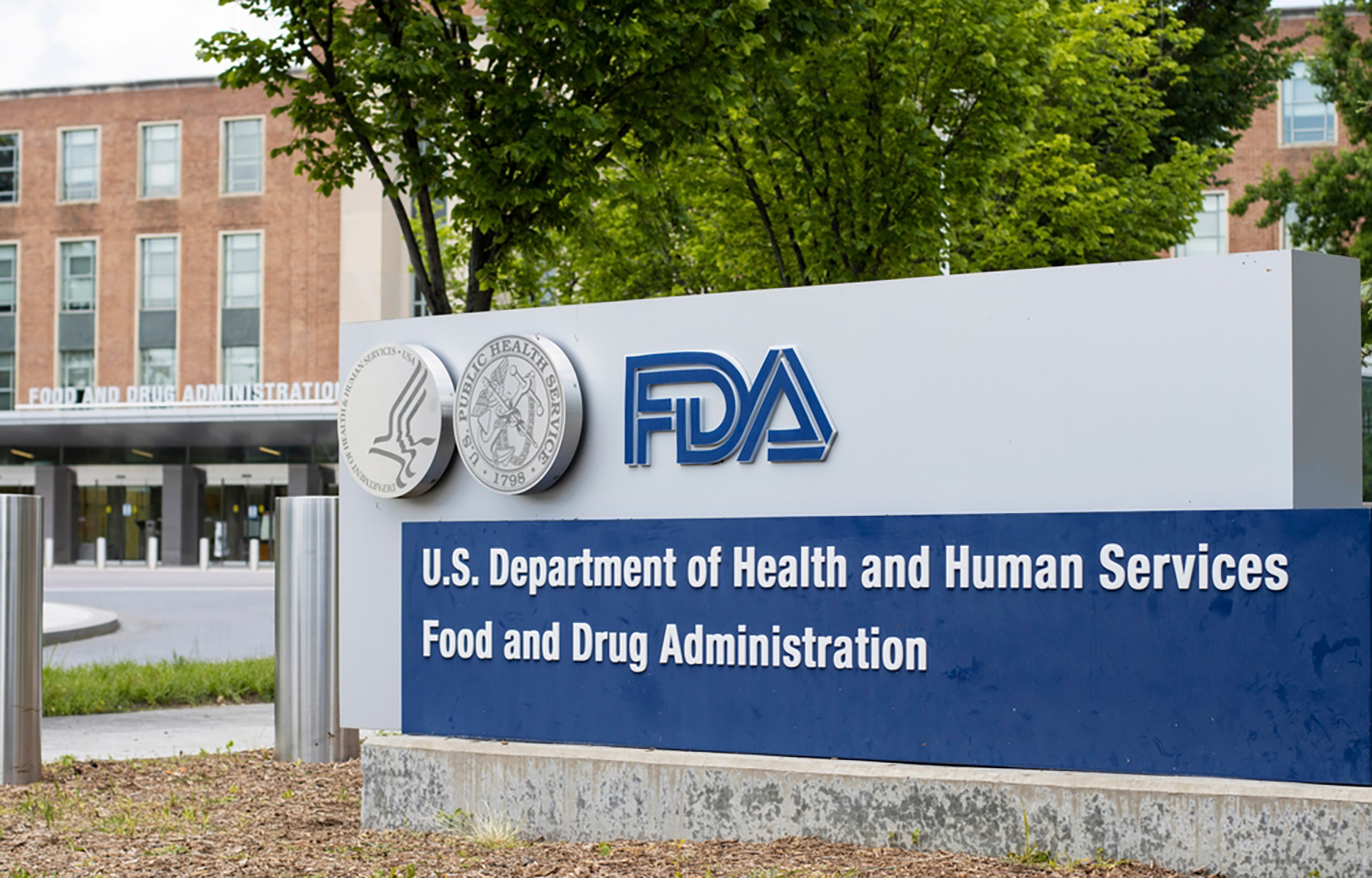
The U.S. Food and Drug Administration does not currently detain imported seafood products contaminated with per- and polyfluoroalkyl substances (PFAS), which can cause damage to human immune systems.
However, on 19 March, it released a document to guide the industry through a crackdown on PFAS that will likely lead to import alerts and detentions in the near future.
PFAS are a group of human-made chemicals used in a wide range of consumer and industrial products, the FDA said in its updated Import Alert 99-48. These substances do not easily break down, and further, some types have been shown to accumulate in the environment and in human bodies, with potentially harmful impact, the FDA said.
“Exposure to some types of PFAS have been linked to serious health effects,” the agency said.
In 2022, the FDA conducted a targeted study of PFAS in 81 retail seafood samples. The survey, which followed on a previous study completed in 2021, included clam, cod, crab, pollock, salmon, shrimp, tuna, and tilapia products and helped the agency determine that perfluorooctanoic acid (PFOA) – a type of PFAS – found in samples of canned clams from China were “likely a health concern,” the agency said. Subsequently, Bumble Bee recalled some of its China-sourced canned clam products, quickly followed by Crown Prince.
The new FDA alert is intended as a “regulatory option for import samples that are adulterated, including import sampling resulting from ongoing assignments,” said Taryn Webb, the acting team lead of strategic communications with the FDA’s Center for Food Safety and Applied Nutrition (CFSAN).
“The decision to place a firm on the Import Alert will be case by case considering various factors," Webb said.
The FDA said it holds the right to place seafood companies on its red list if it finds detectable levels of PFAS in its products. Such a listing requires FDA to detain, without physical examination, shipments of the company's products.
The alert further advises that in order to secure the release of an individual shipment subject to detention without physical examination, the owner, consignee, or another responsible party related to the shipment may provide evidence to the FDA that the shipment is not adulterated.
“Such evidence may include the results of private laboratory analysis of a representative sample of the shipment, which demonstrates that the product does not bear or contain levels of chemical contaminants which may render it injurious to health,” the FDA said.
If a firm is on the Detention Without Physical Examination (DWPE) list and requests removal, it needs to provide information to the FDA to “adequately demonstrate that the firm in question has resolved the conditions that gave rise to the appearance of the violation so that the agency will have confidence that future entries will be in compliance,” FDA said.
The issue of PFAS contaminants became a larger talking point in the seafood industry after the Bumble Bee and Crown Prince recalls, according to Sea Watch International Senior Vice President of Sales and Marketing Guy Simmons.
“Those [Bumble Bee and Crown Prince] clams were imported, shallow-water clams that are caught in basically tidal waters. So, you get all the runoff of the fertilizers and all the sewage in those areas in Asia,” Simmons told SeafoodSource in January 2023. “[Sea Watch operations are] in federal waters, and we’re fishing up to 250 feet deep up to 180 miles offshore. So, the chances of pollution [in Sea Watch products] is much slimmer, which is something I always tell my customers about when they’re concerned about environmental issues. It's rapidly becoming an issue for the supply chain to provide assurances [on PFAS]. Our are asking us about it.”
Seafood caught or grown next to bodies of water located close to manufacturing plants have a greater chance of testing positive for high levels of PFAS, Eurofins Food Chemistry Testing Contaminants Manager Grace Bandong, who oversees the Eurofins lab in Madison, Wisconsin, U.S.A. where PFAS testing is conducted, told SeafoodSource last March.
“If I ran a seafood company, I would be really strongly monitoring [for PFAS] and adding regulatory measures to safety programs and then monitoring your environment and where you’re sourcing from,” Bandong said. “[PFAS] are there. I would say having a good understanding of where your product stands relative to the PFAS issue is the one singular step I think that's important to take. Understanding your sources and how you’re maintaining control [is critical].”
