


Cape Town, South Africa-based seafood company Irvin & Johnson (I&J) experienced a challenging back half of 2023, with a dip in fish sales, soaring fuel prices, and intensifying competition in the international seafood market all contributing to the poor performance.
The company said in its FY 2023 results that fuel costs plagued the company, as it heavily engages in fleet management activities. Between 2022 and 2023, the company attempted to improve the fuel efficiency of its fishing fleet through modernizing the fishing gear and sensors it used, enforcing speed limits to and from fishing grounds, and increasing the monitoring of fuel usage. Nevertheless, fuel costs still heavily impacted the company during the period.
The company has also pointed to inefficiencies at South African ports – particularly in Cape Town – including congested roads, long truck queues, and extended shipping times, as additional reasons why 2023 closed poorly.
I&J, which is 75 percent-owned by Johannesburg-based consumer products company AVI Ltd., reported a 17.1 percent decline in fish sales by volume for the six months ending 31 December 2023.
Though I&J posted slightly higher revenue year over year in the period, this gain was offset by the “impact of lower volumes from reduced quotas and value-added product availability challenges,” according to the company, which added that its gross margins “were constrained by materially higher diesel costs for the fishing fleet that were not fully recovered through selling price increases or fuel usage reduction initiatives.”
During the challenging period, I&J, through AVI, also announced its termination of a longstanding Broad-Based Black Economic Empowerment (B-BBEE) partnership with its then-minority shareholder: Main Street 198, establishing a similar partnership with Twincitiesworld.
B-BBEE is a South African policy and legislative framework that seeks to redress historic economic inequalities created as a result of apartheid.
Under the framework, many companies in South Africa that don’t have majority Black ownership, such as I&J, look for a way of complying with the government’s BEE policy, which is a form of affirmative action targeting broader participation of Black people in South Africa’s economy. This includes scouting for majority Black-owned businesses as possible partners, with Main Street filling that partner role until AVI turned toward Twincitiesworld – another majority Black-owned business.
The move angered Main Street enough to subsequently threaten a governmental probe of the termination.
Regardless, due to the new B-BBEE structure that took effect in July 2023, I&J says it incurred a non-cash cost of ZAR 14.9 million (USD 780,000, EUR 727,000), adding to the long list of difficulties in the period.
For the consolidated 2023 business period, which comprises the full year ending 30 June 2023, I&J revenue totaled ZAR 2.49 billion (USD 130 million, EUR 122 million) – a 0.5 percent increase compared to 2022 – while operating profit decreased from ZAR 306.2 million (USD 16 million EUR 15 million) to ZAR 196.8 million ( USD 10.3 million EUR 9.6 million). The company’s operating profit margin similarly dipped, dropping to 7.9 percent from 12.4 percent year over year.
“The overall result was negatively impacted by lower fishing and abalone profits relative to 2022,” the company said.
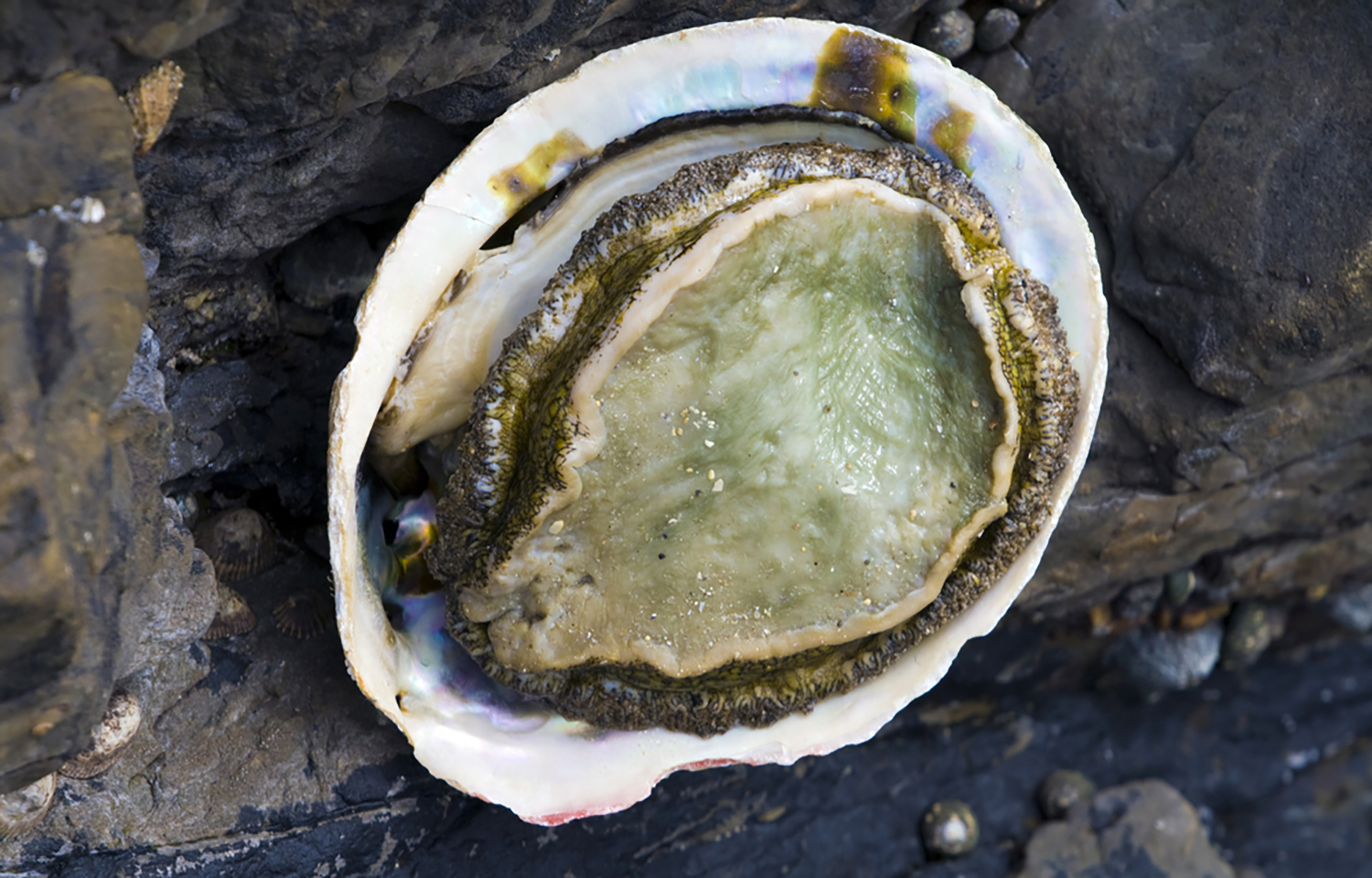
The company’s abalone business has suffered from both South Africa load-shedding, as well as “an unfavorable sales mix and unfavorable biological assets … not fully recovered by benefits of a weaker rand, higher selling prices, and well-contained operating costs.”
However, the lifting of Covid-19-related lockdowns in China and Hong Kong in the period offered some relief for I&J’s business performance, as the volumes exported to the two markets increased.
I&J’s financial results over the coming six months hinge on fishing performance, fuel prices, foreign exchange rates, and a possible increase in product sales prices, according to the company.
Photo courtesy of Abraham Badenhorst/Shutterstock
