




U.S. Customs and Border Protection (CBP) is expecting USD 8.9 million (EUR 7.9 million) in penalties from tuna importers who attempted to evade country-of-origin labeling (COOL) laws on a technicality.
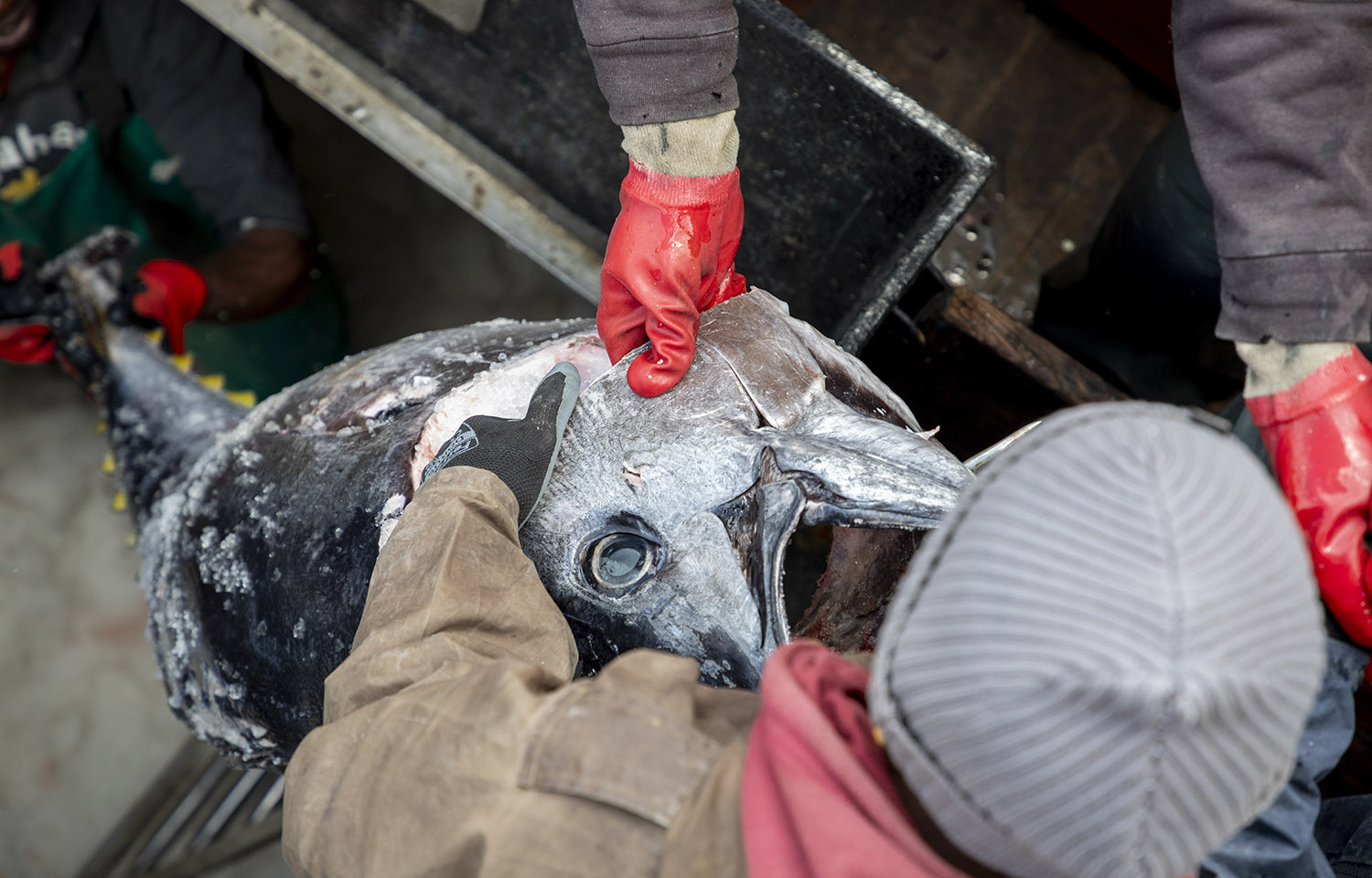
According to CBP, an investigation into imported tuna revealed that some importers were not listing the country of the foreign-flagged vessels that harvested the tuna as the country of origin, instead listing a nation where the tuna was briefly brought ashore for minimal cleaning and packing before shipping as the country of origin.
“Importers were using this stopover to claim the fish came from that country, allowing them to dodge appropriate duties and tariffs,” CBP said in a release.
CBP’s Agriculture and Prepared Products Center of Excellence and Expertise (APP) in Miami, Florida, U.S.A. determined that basic cleaning and packing did not count as substantial transformation of the tuna product, meaning the country of origin should have matched the flag of the vessel that harvested it. CBP noted that although importers challenged the government’s determination, CBP headquarters backed APP’s interpretation of the law.
"Our APP Center is dedicated to following the facts and making sure U.S. trade laws are applied correctly," said Daniel Alonso, director of field operations for the CBP Miami and Tampa Field Office. "This enforcement action highlights our persistence in protecting U.S. revenue and ensuring a level playing field for honest businesses."
Since the government made the decision, importers have begun correcting their entries, generating roughly USD 1.3 million (EUR 1.2 million) in trade remedies across 780 entry summaries. CBP is currently processing five prior disclosures and 10 penalties as a result of the investigation, which is expected to bring in USD 8.9 million in penalties.
