




“The real value of traceability isn't compliance alone" – Americold makes traceability a top priority ahead of FMSA 204
Sponsored
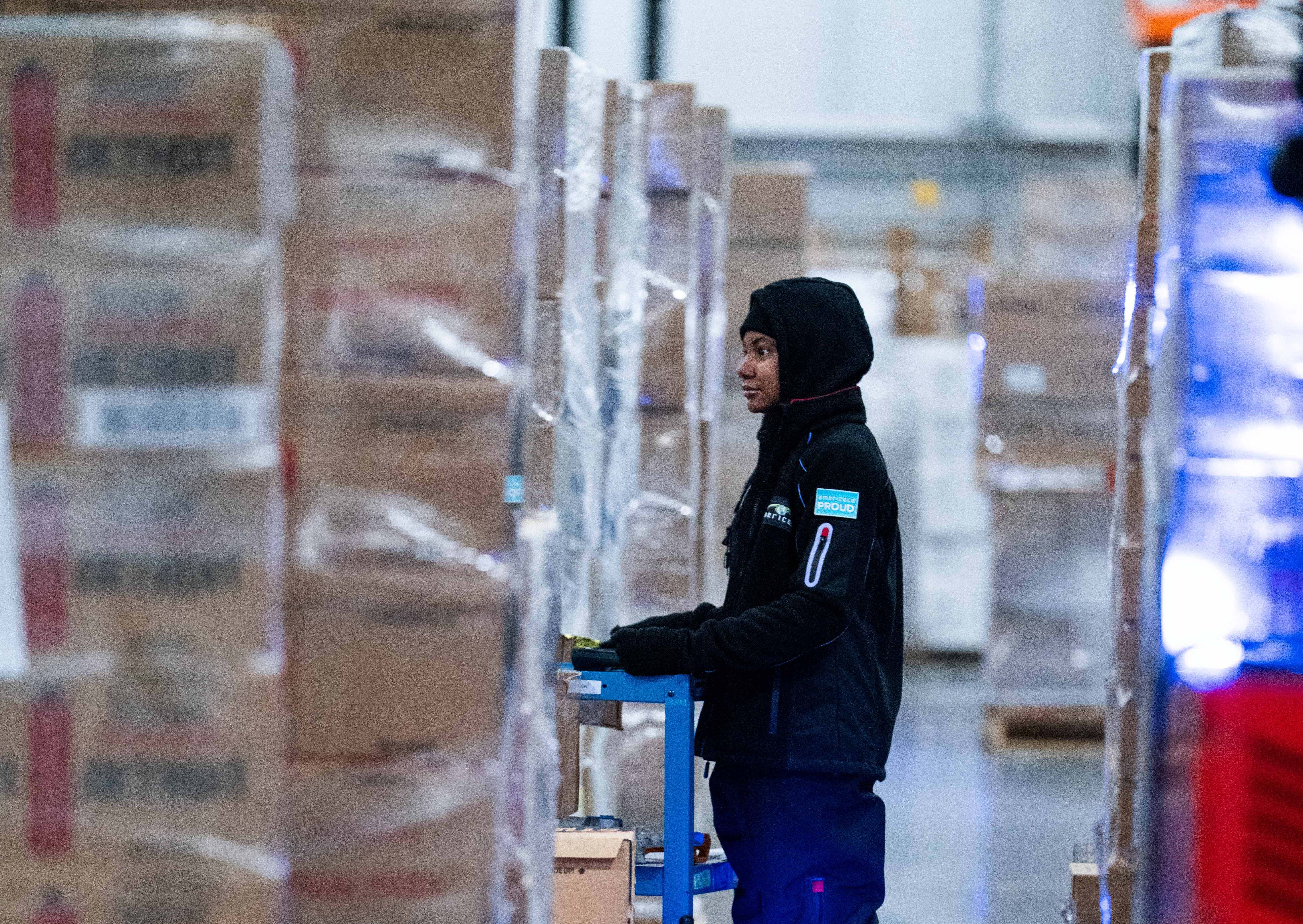
As federal regulations and consumer expectations around transparency increase, maintaining supply chain visibility and traceability have become integral to the success of seafood products entering the U.S. market.
The seafood supply chain, however, is uniquely complex, involving a fragmented network of stakeholders, significant species variation, and highly perishable, temperature-sensitive products. In turn, tracing seafood through the supply chain presents an equally complex challenge.
"Achieving traceability requires trust across your entire supply chain – every partner needs to maintain detailed records from the moment seafood is harvested through processing, distribution, and final sale," Americold Director of Food Safety Alicia Wofford said.
While seafood companies are not yet mandated to comply with the U.S. Food and Drug Administration (FDA) Food Traceability Rule – which will require food manufacturers and holders to maintain detailed supply chain tracking records – cold storage solutions provider Americold is already implementing traceability measures.
With more than 120 years of experience, Americold has developed the operational processes, systems, and expertise needed to help seafood companies navigate complex supply chain challenges, including traceability.
"Seafood companies need logistics partners that can preserve product quality while maintaining accurate, accessible records throughout the supply chain," Wofford said. "Traceability is an essential part of protecting both the product and the brand."
Part of the 2011 Food Safety and Modernization Act (FSMA), the Food Traceability Rule, also known as FSMA 204, will now be enforced July 2028, a 30-month delay from the former compliance deadline of January 2026. Despite that delay, supply chain partners – such as producers, retailers, and customers – are increasingly expecting seafood companies to comply with strict traceability standards.
"Supply chain visibility is being driven from multiple directions – not just federal mandates, but from rising expectations across the supply chain," Wofford said. “Consumers want to know more details about where their seafood came from and whether it was sustainably sourced, retailers want deeper insight into handling and conditions, and producers are focused on protecting product integrity, all of which are raising the bar for transparency.”
According to Americold Senior Director of Key Accounts and Business Development Javier Botello, traceability is not a new concept. Cold chain providers such as Americold already maintain traceability as part of existing food and safety requirements, including the ability to support recalls. However, he said, it is now evolving beyond a compliance requirement into a tool for operational insight.
“The real value of traceability isn't compliance alone,” Botello added. “When supply chain data becomes more connected and actionable, companies can identify issues faster, improve inventory management, reduce waste, and make better operational decisions.”
Nevertheless, many gaps still exist in the seafood supply chain when it comes to visibility.
While traceability focuses on the “what” and “where” of a product, visibility expands that concept to include “when” and “how”. Together, they provide a more complete picture of product movement, handling conditions, and overall supply chain performance. However, Botello explained, for the seafood supply chain, which involves multiple handoffs between parties, limited system connectivity, and inconsistent data and terminology, that kind of in-depth tracking can be hard to achieve.
According to Botello, improving visibility means gaining clearer, real-time insight into where a product is and how it's moving, the conditions under which it's being handled throughout the supply chain, and the timing and coordination between everyone involved.
“At Americold, we recognize the importance of visibility to companies and consumers, as it supports greater confidence in both product quality and data reliability,” Botello said.
To enhance visibility and prepare for FSMA 204, Americold has established a dedicated cross-functional team, spanning IT, food safety, inventory management, business development, and legal, focused on strengthening traceability processes and data management capabilities.
The team’s many tasks include upgrading system compatibility to ensure data can be captured and transferred consistently across platforms, standardizing item master records to align how products and data fields are defined, and conducting ongoing workforce training to ensure teams accurately capture and manage traceability data.
Still, internal improvements must be supported by effective external collaboration, Botello noted.
For that reason, Americold is also actively engaged with organizations such as Global Cold Chain Alliance (GCCA) and National Fisheries Institute (NFI) to share best practices, support implementation discussions, and help advance practical approaches to traceability across the cold chain ahead of the 2028 FSMA 204 compliance deadline.
“The future of seafood logistics depends on more than individual compliance efforts,” Botello said. “It requires supply chain partners that can consistently exchange reliable data, maintain product integrity, and operate with transparency across every handoff. Companies that can do that effectively will be best positioned to serve customers and consumers in an increasingly complex supply chain.”
To learn more about Americold, click here.