

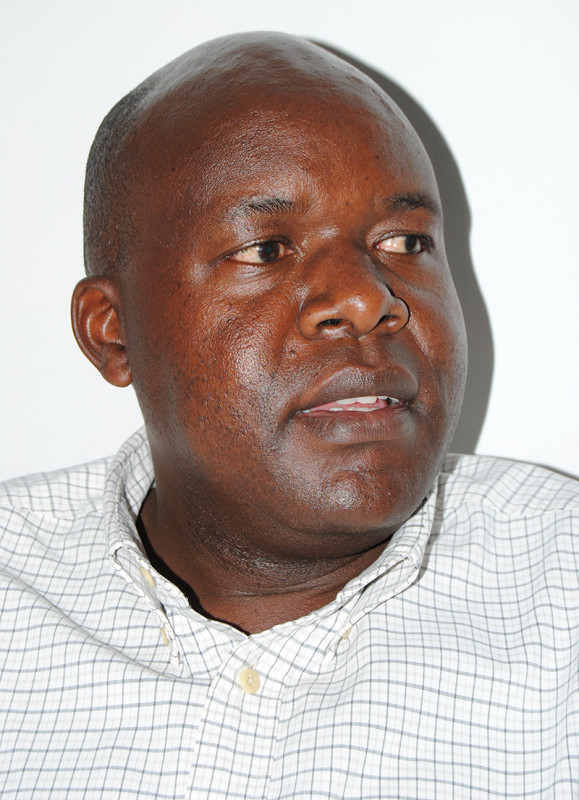
Shem Oirere is a Kenyan journalist who previously worked for daily newspapers as a general news correspondent, business reporter and sub-editor before turning to full-time freelancing. For the more than 20 years, he has covered various sectors of Africa’s economy including agriculture, food processing, and maritime industries. A graduate of the University of South Africa, he has traveled within and outside Africa covering various industry events that have a bearing on the continent’s economy on behalf of different international consumer and trade publications. He currently lives in Nairobi, Kenya.
Author Archive
Published on
October 16, 2026
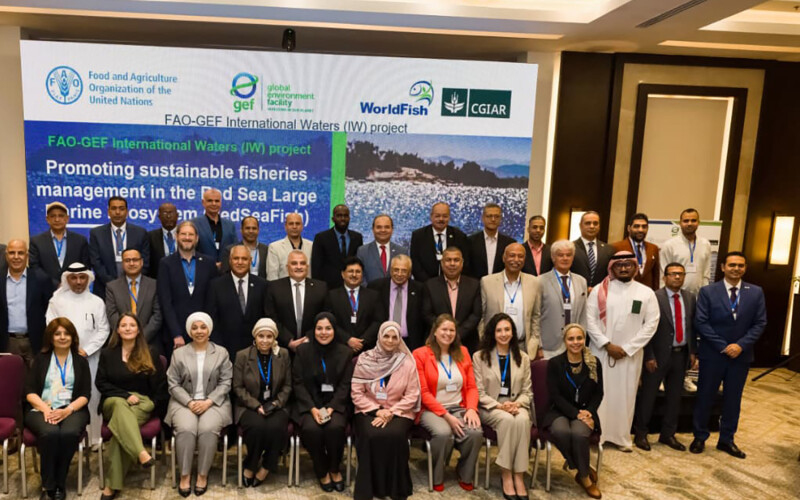
Seven African and Middle Eastern countries have launched an initiative to promote sustainable fisheries management in the Red Sea, where stocks are under pressure from overfishing and the adverse effects of climate change.
Representatives from Djibouti, Egypt, Eritrea, Yemen, Jordan, Sudan, and Saudi Arabia met in Cairo, Egypt, earlier this year to determine the goals of the project – which is being implemented by FAO, executed by WorldFish,… Read More
Published on
October 13, 2026
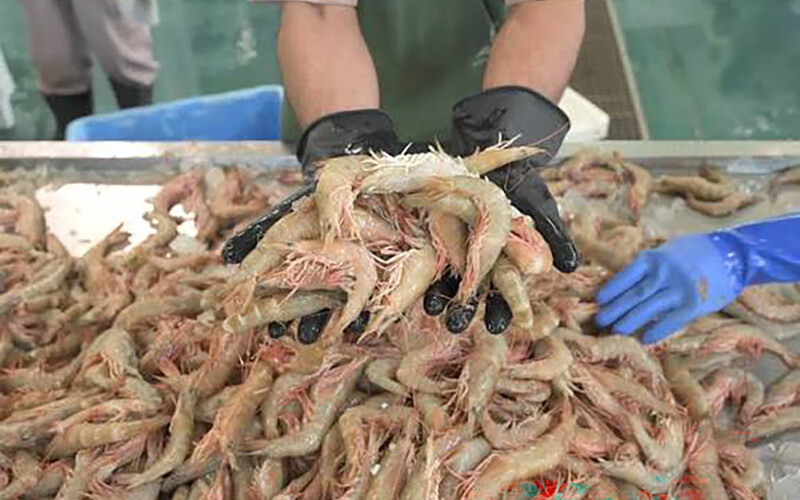
After the expiration of its annual nine-month shrimp-fishing ban, Oman's Ministry of Agriculture, Fisheries, and Water Resources recently greenlit this year’s shrimp-fishing season.
The Middle Eastern nation bans shrimp fishing off its coast from the beginning of December until the end of August the following year, prohibiting any form of fishing, possession, trading, buying, selling, transporting, storing, exporting, or freezing of wild… Read More
Published on
October 6, 2026
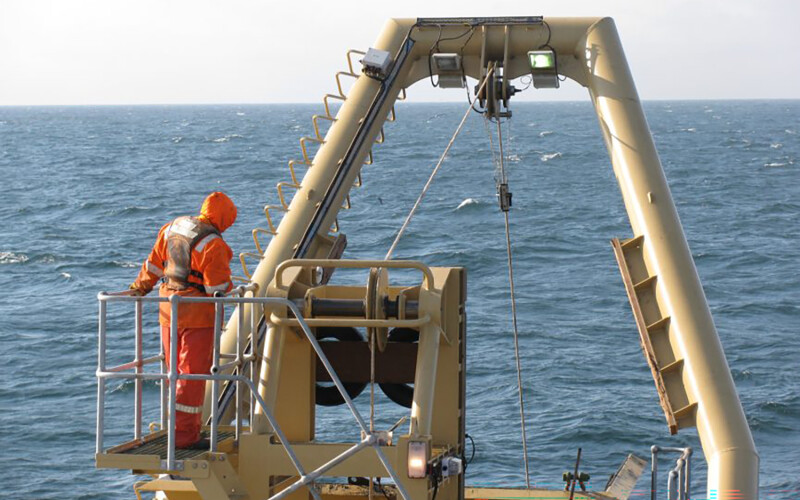
Namibia has granted an environmental clearance certificate (ECC) to the Sandpiper Marine Phosphate Project, helping the seabed mining venture clear a key regulatory hurdle.
The project aims to mine phosphate in Atlantic Ocean waters in depths of 180 to 250 meters on the continental shelf off the west coast of Namibia, and if it moves forward, it would become the first commercial phosphate mining project in the world.
For more than a decade, the… Read More
Published on
September 30, 2026
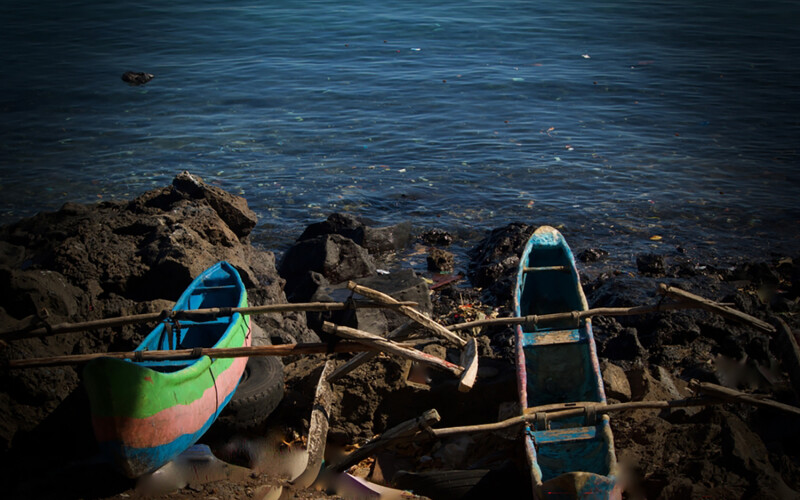
A new World Bank study has found that fisheries in Comoros, an archipelagic nation in East Africa, are particularly susceptible to the effects of climate change, and therefore, the nation must invest in the sector to mitigate adverse impacts, especially as many coastal communities in the country rely on seafood as a sole food source.
The study, titled “Analysis for Resilient and Adaptive Fisheries in the Comoros,” outlined the implications… Read More
Published on
September 29, 2026
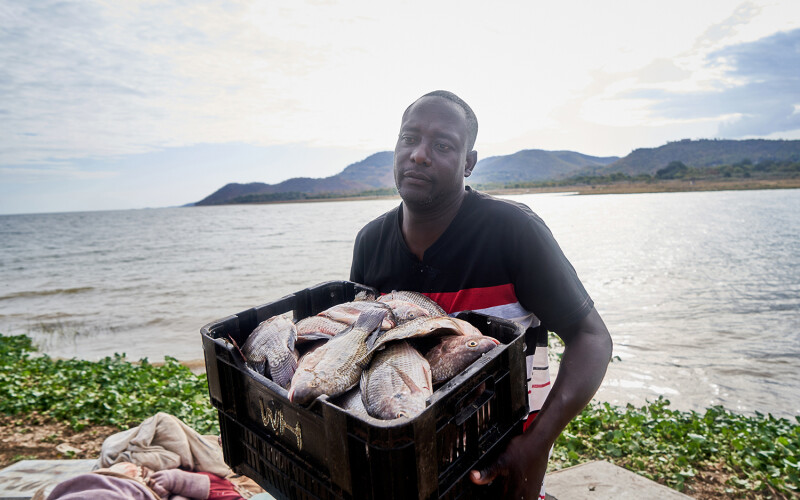
Kenya's Senate is in the process of reviewing a petition seeking to regulate the establishment of new commercial fish-farming cages in Lake Victoria, as well as the relocation of existing ones.
The petition, which has the backing of investors in beach hotels, resorts, and ecotourism ventures around Lake Victoria, was forwarded to the Senate Standing Committee on Agriculture, Livestock, and Fisheries for consideration and recommendations on the… Read More
Published on
September 28, 2026
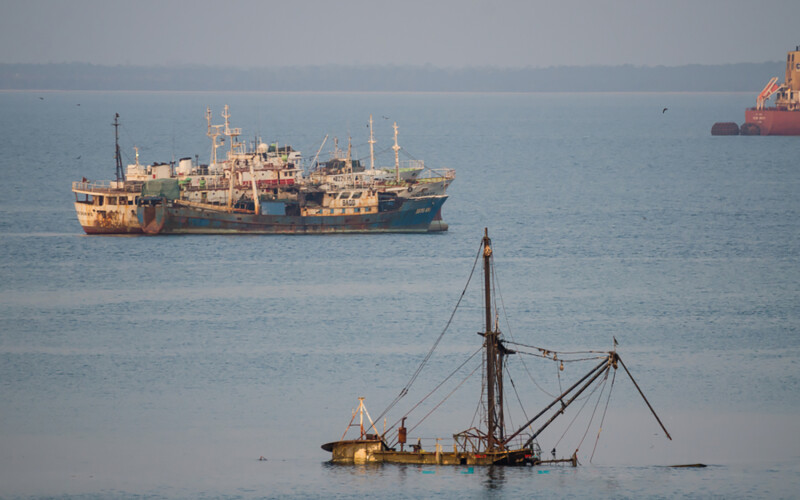
A new peer-reviewed study conducted by scientists from conservation NGO Oceana has found that many countries around the world, including some in West Africa, could benefit from more equitable fishing access agreements that ensure some of the nutrient-rich fish scooped up by bottom-trawling vessels remains in its country of origin.
The study, titled “Impact of distant water bottom trawl fisheries on nutrient supplies of nutritionally… Read More
Published on
September 28, 2026

Somalia has objected to recent proposals from the Indian Ocean Tuna Commission (IOTC) on the conservation and management of tuna stocks in the Indian Ocean, including total allowable catch (TAC) determinations for 2027 and 2028.
Earlier this year, the IOTC approved a 436,867-ton TAC for yellowfin tuna for the two-year period, curbing Somalia's share to 5,000 metric tons (MT), which is equivalent to 1.14 percent of the total allocation.
The… Read More
Published on
September 24, 2026
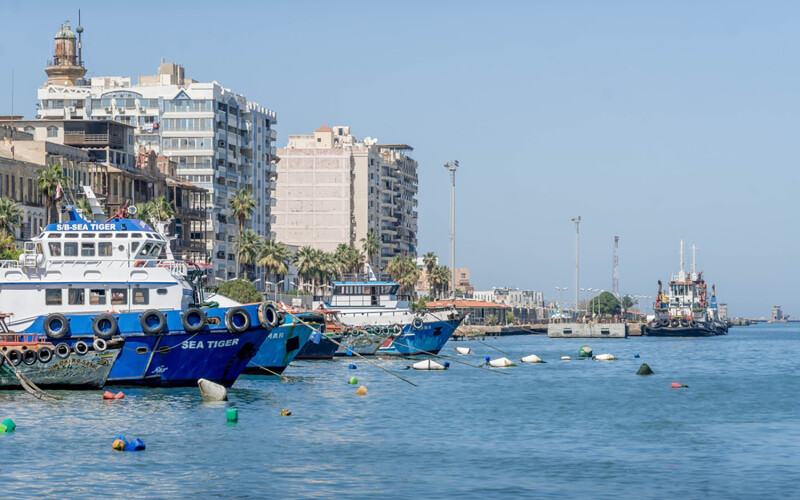
Egypt has unveiled a pilot project to collect fishing operations and landing data directly at major ports as the country strives to strengthen and modernize its fisheries monitoring, control, and surveillance infrastructure.
Egypt's Mediterranean coastline, which extends 995 kilometers, poses challenges in properly monitoring fisheries data, particularly due to the long distances between where fishing activities and landings take place and where… Read More
Published on
September 18, 2026
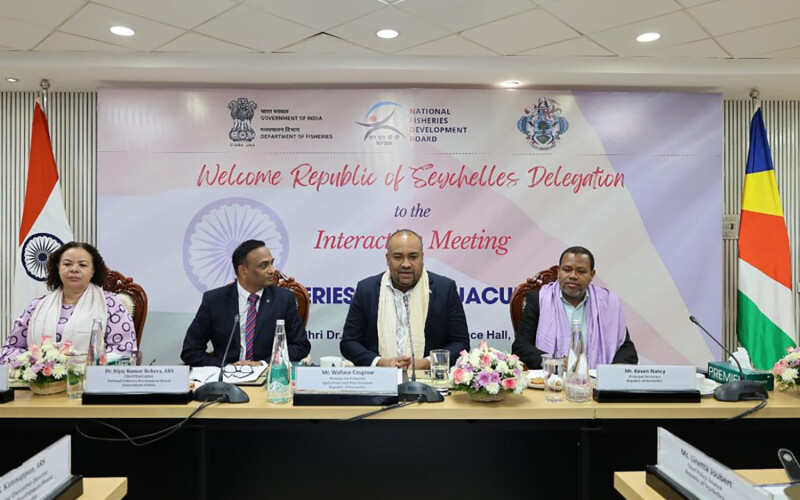
The Seychelles has strengthened its connections with India to help it increase revenues from landed tuna catch and strengthen post-harvest management procedures as the island nation strives to further develop its seafood industry.
Seychelles government representatives, who visited India in late August, said their country is committed to deepening its fisheries and aquaculture partnership with India, particularly in expanding public and private… Read More
Published on
September 16, 2026
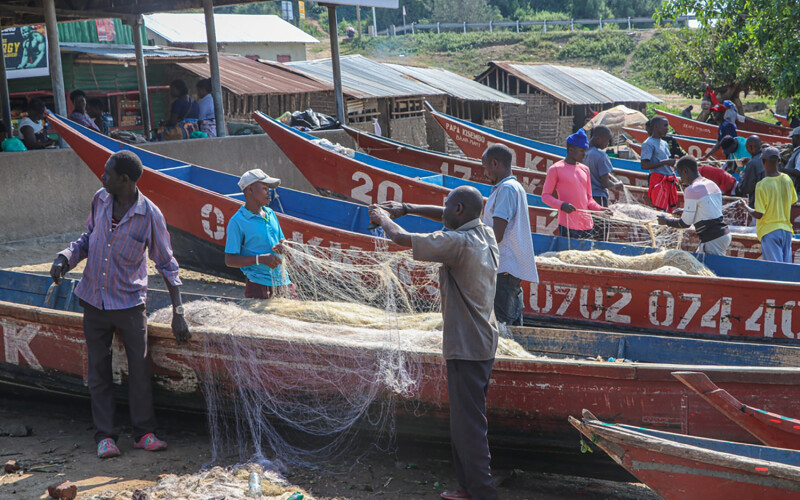
Uganda has activated its new Fisheries and Aquaculture Act, paving the way for the landlocked nation to implement measures that will help increase its annual fish output to 1.7 million metric tons (MT).
Uganda State Minister for Fisheries Robert Ndugwa said the new law outlines several measures the government plans to take in tackling impediments to sector growth, such as declining fish stocks attributable to illegal fishing practices and the… Read More
