


A recently launched fish welfare project for small-scale tilapia producers in Egypt is aiming to reduce fish mortality rates by up to 10 percent, shrink production costs, and ensure products meet the standards of key export markets.
The Egypt Tilapia Welfare project, spearheaded by Glasgow, Scotland-based Ethical Seafood Research (ESR) with the support of Oxford, England-based FAI Farms, is focused on improving the production practices of Egyptian small-scale tilapia farmers.
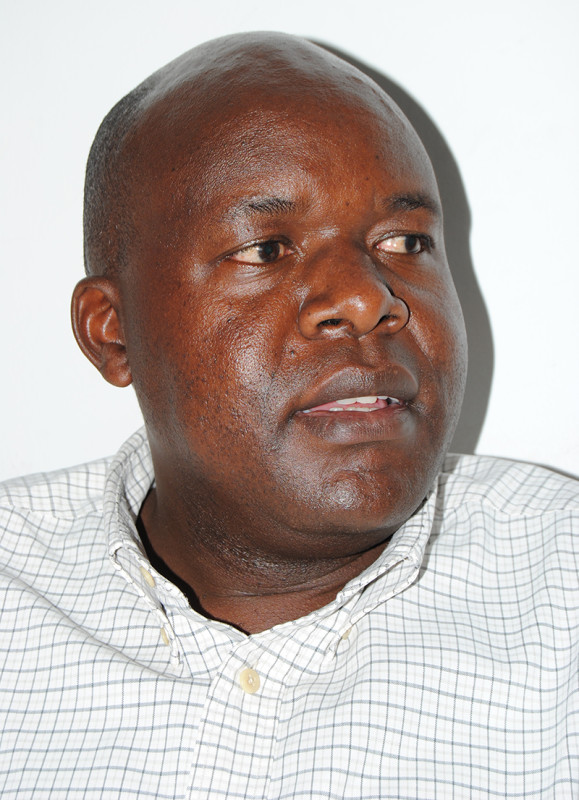
It aims to ensure that farmers have the resources to take “better care of their fish, monitor water quality, and reduce unnecessary stressors such as handling procedures, hence increasing the condition of harvested fish,” ESR Founder, Director, and Head of Research Wasseem Emam said. “In farms that have brought in higher welfare practices in other countries, we have seen a reduction in mortality of up to 10 percent, which is no small feat.”
Emam said Egyptian agriculture and aquaculture farmers previously considered animal welfare “a luxury and something that does not apply to areas where food security is a pressing issue.”
“However, we have tried to emphasize that it is quite the contrary and that, actually, animal welfare in general, and fish welfare more specifically, can be a central component to a healthy, productive, and sustainable food system,” he said.
Emam said the issue is pressing as key international seafood export markets raising standards they require to be employed during food production, increasing the need for the budding Egyptian aquaculture scene to address issues like animal welfare. Rabobank estimates Egyptian tilapia production will grow 5.2 percent in 2024.
“One of the impacts of not having the welfare scheme has been the inability to export aquatic products to European and other industrialized markets where high ethical standards in food production are demanded,” Emam told SeafoodSource.
The relative disregard for fish welfare, according to ESR, has led to the harvest stage emerging as the weakest point in the Egyptian tilapia farming value chain “because fish are [often] crowded over a number of hours, during which water quality deteriorates rapidly.”
“Fish are then removed from the water and left to suffocate on ice, which is not a humane form of slaughter and not recognized as such by the World Organization for Animal Health,” Emam said.
To alleviate these issues, the project aims to address the challenges farmers face in the harvest phase, “where we will train harvest teams in better crowding practices and introduce electrical stunning technology to be used before the fish are placed on ice,” Emam said.
“We are looking at bringing in pre-slaughter electrical stunning, which has been proven to improve fillet quality in other jurisdictions,” he said.
The project, which was launched in February 2024, will also provide training on prioritizing fish welfare and producing fish that meet standards and regulations set by the governments of major export markets.
Aquavet Egypt, an aquaculture consulting firm, and Kafrelsheikh University, a public university in Kafr El-Sheikh, are partners of the project and are leading the project's training program.
Other experts who will help farmers improve their processes include academics and veterinarians, whose main role will be to visit farms and work closely with farmers when problems arise such as disease outbreaks and mortalities.
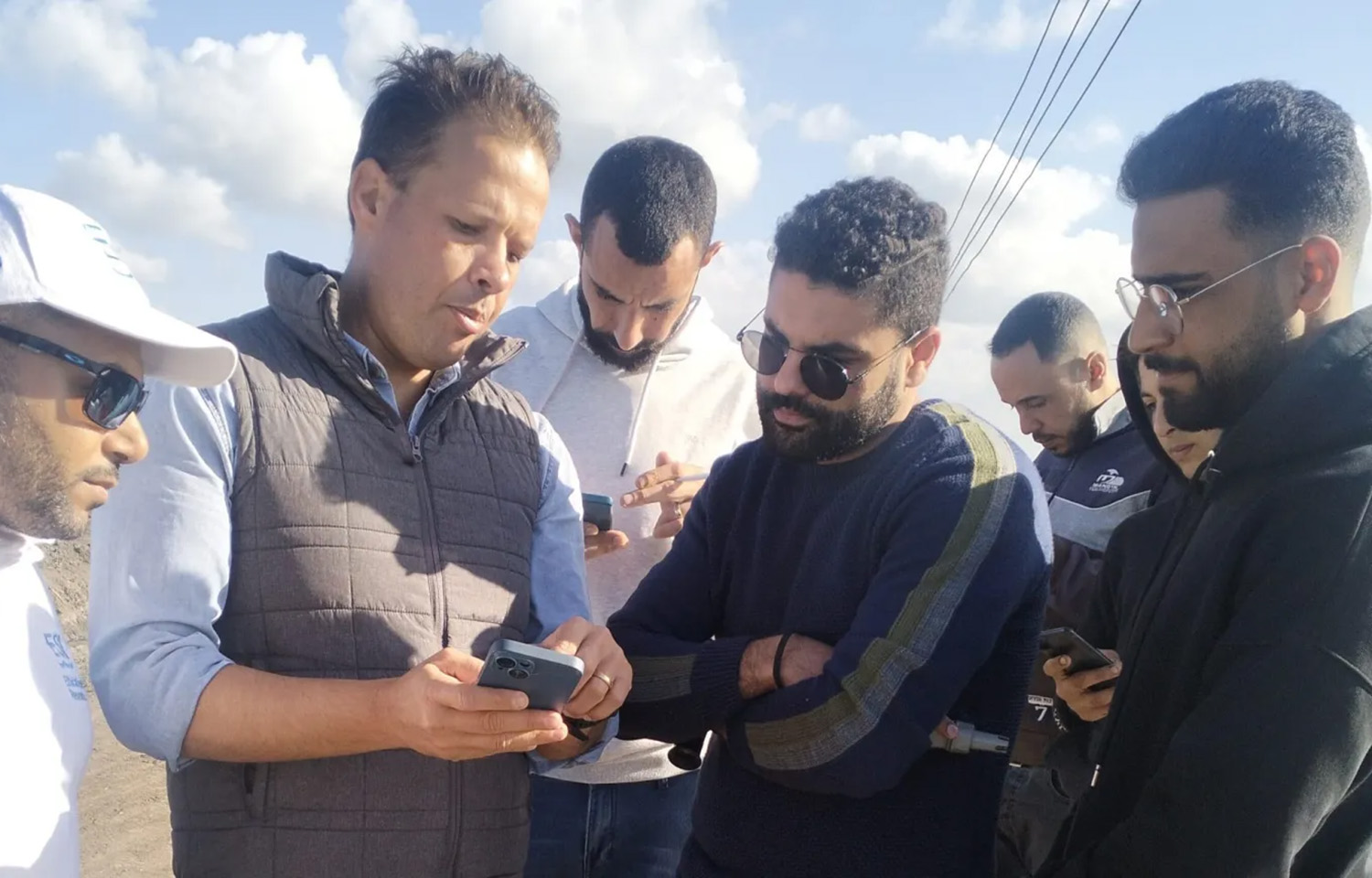
“The team of vets and academics will be visiting farms to carry out assessments using the tools developed and provided to us by the FAI team, which is the central tenet of the Tilapia Welfare Egypt project,” Emam said.
The project will also encourage uptake of the FAI’s Tilapia Welfare App, which farmers can download and use in assessing and managing fish welfare.
FAI Farms is financing the Egypt Tilapia Welfare project through philanthropic support it has received internationally. Initial results are expected by the end of the current tilapia-production cycle, with more robust reporting to be delivered by the end of the 2025-2026 cycle.
