






Guangdong, China-based seafood company Guolian Aquatic has posted a drop in operating income in Q1 2024, with the company attributing the dip to increasing competition across several sectors.
Guolian Aquatic’s quarterly operating income fell 26.3 percent year over year to CNY 1 billion (USD 138 million, EUR 129 million).
Guolian attributed some of its decline to increased competition, particularly in the processed shrimp sector. More competitors have turned to exports in the face of a weaker domestic economy, it said.
“There are many companies now joining this market,” said Liang Xiong Guang, the deputy general manager of seafood exporter Shantou Yuexing Enterprise, echoing Guolian’s experience in the sector and particularly emphasizing that retail channels have become “highly competitive.”
Shantou has built up a stable and reliable client base in such markets as Australia, North America, and the E.U., according to Liang, who said the company’s track record will allow it to hold onto clientele for its large range of breaded shrimp products in the face of increased competition.
Intensified competition for Guolian is also coming from aquaculture companies and processors that have contracted with aquaculture farmers seeking to move up the value chain in both established and new species.
One of those firms cashing in on new species is Gain Ocean Food, based in the southwest Chinese city of Beihai. The company, which traditionally focused on tilapia fillets, is now breeding and processing channel catfish for a variety of catering firms, according to Gain Ocean Head of Marketing Kevin Zheng, who said the firm had found solid demand from casual dining chains serving braised or barbecued fish – a current dining fad gripping China’s dining scene.
Home consumption, which took off during various pandemic lockdowns, is another area where Guolian faces increased competition from new entrants, including fellow Guangdong-based seafood producer Beng Beng Yu, which has expanded distribution of snakehead products, including to the Jingshen Seafood wholesale market in southern Beijing.
“We are seeking a distribution network in northern China for this product,” wholesale distributor Zhang Mao told SeafoodSource.
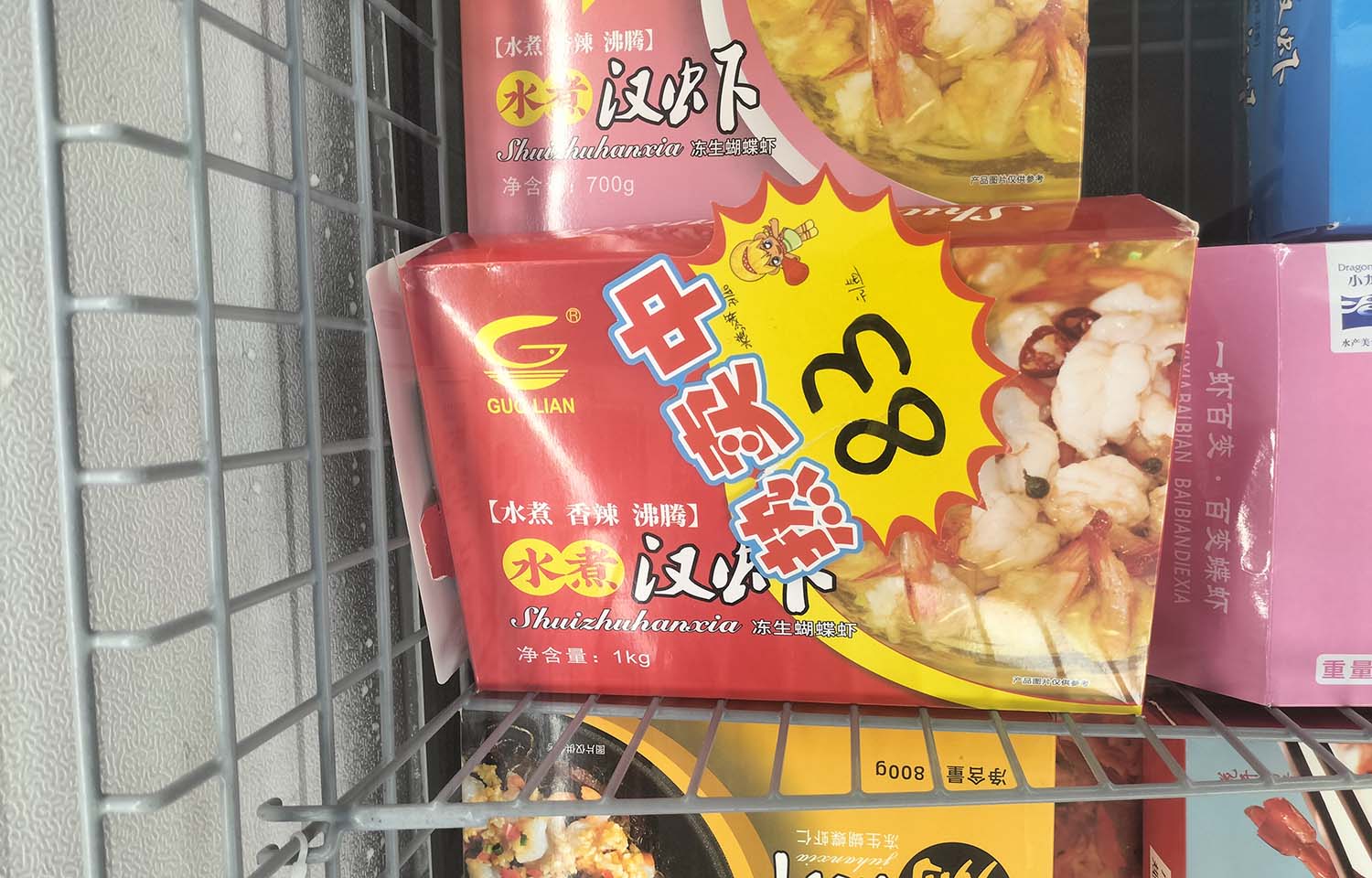
Guolian-brand frozen shrimp and crayfish meals are also featured in Zhang’s store, further showcasing the direct competition amping up across the country.
Major food processors like Fujian Anjoy Food have also made a push into the frozen seafood sector to capitalize on the growing popularity of shrimp and crayfish products in China.
Waning consumer confidence is hurting the overall seafood sector in China. China’s consumer price index (CPI) rose a mere 0.1 percent in March after a slight 0.7 percent boost in February, which, helped by Chinese New Year demand, marked the first monthly CPI increase in four months.
China has been reluctant to stimulate consumer demand with public spending programs it has relied on for economic jolts in the past. Rather, the country is focused on sharpening its advantages in manufacturing in order to capture market share in key sectors both at home and abroad. This is leading to trade tensions that may prompt increased tariffs, possibly affecting agricultural and fisheries trade.
