




Rodger May had his winning bid for Peter Pan Seafood’s remaining assets officially approved on 3 October.
Judge Steven Olsen of the King County Superior Court in the U.S. state of Washington approved May’s USD 37.3 million (EUR 33.6 million) bid for the assets, which beat out a bid by rival firm Silver Bay Seafoods in a court-supervised auction process that took place in mid-September.
May was backed in his effort by Peter Pan’s main creditor, Wells Fargo, which brought the firm into receivership in April 2024 after a tumultuous four-year run under a consortium that included May, Renewable Resources Group, and McKinley Management. The latter two objected to awarding the auction to May, describing him as an “insider whose inequitable conduct has both depressed the market for, and eroded the value of, Peter Pan’s assets.”
John Ketcham, an investor owed USD 10 million (EUR 9.1 million) by Peter Pan, also objected to May’s bid. He argued his debt holds priority over May’s USD 12 million (EUR 10.9 million) claim, which May is using to pay for a portion of the sale price, according to the Northern Journal. Ketcham, Renewable Resources, and McKinley Management all backed Silver Bay’s bid instead.
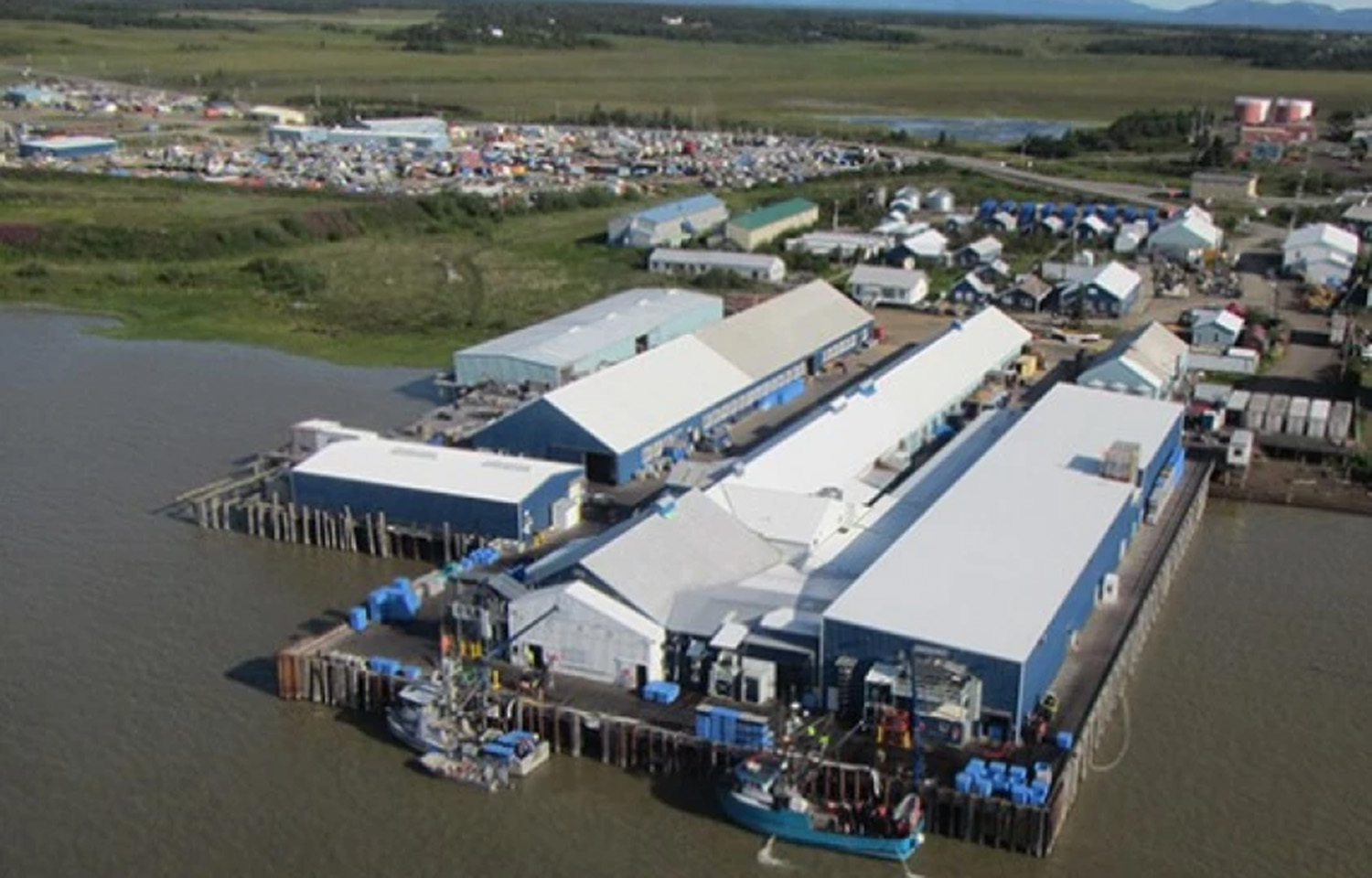
Ketcham also objected to the sale’s USD 250,000 (EUR 227,000) valuation of the Peter Pan’s Port Moller plant, one of three Alaska seafood processing facilities included in the deal.
“The receiver has a back-up bid for here – Silver Bay’s – that, while only 0.05 percent (a rounding error) less than May’s in the aggregate, both provides for payment in full to Wells Fargo and acknowledges Ketcham’s credit bid rights by contemplating the sale to him of the Port Moller plant for USD 11.743 million [EUR 10.7 million],” Ketcham’s attorney wrote. “Moving on from May to the Silver Bay bid – which is what the receiver should have done at the auction – eliminates the issues now before the court and avoids the litigation that assuredly will follow from the baffling path the receiver has chosen here.”
A number of fishermen, including several claiming they’re owed hundreds of thousands of dollars by Peter Pan, also objected to the sale.
“It would be manifestly inequitable to allow Wells Fargo (and Mr. May as a credit bidder) to derive the sole benefit of the sale of property that, at least in part, only exists based on the labors of the lienholders,” an attorney representing eight operators of independent fishing vessels collectively owed millions from Peter Pan wrote. “Each of the lienholders paid their crews and dedicated their vessels to harvest and tender fish, in essence advancing Peter Pan interest-free loans for the value of their services as represented in the liens. The lienholders undertook this risk with an understanding that their efforts would be protected by their lien rights.”
Representatives of the F/V Arctic Lady, which claims to be owed USD 658,000 (EUR 600,000) for seafood delivered to Peter Pan, objected to May using credit from his loan for the purchase of the assets, arguing it would leave no cash to repay the company’s existing debts.
“A credit bid brings no cash to the estate for worthy creditors such as fishermen lien claimants,” attorney Benjamin W. Spiess wrote in an objection filed with the court.
The Norton Sound Economic Development Corporation, which claims it is owed USD 726,000 (EUR 662,000) from Peter Pan, also objected to the sale, arguing the receiver, the Stapleton Group, provided insufficient notice regarding its sale process and verification of May’s assets, and did not properly account for various competing lienholder claims.
“NSEDC objects to the sale unless any order approving the sales delay disbursement of any sale proceeds until proper procedures are established to creditor priority,” it said.
For his part, May argued his credit has the highest priority for repayment, allowing him to proceed with his bid, and that since his was the highest offered in a public auction, it should be accepted. Both Wells Fargo and the court-appointed receiver, the Los Angeles-based Stapleton Group, urged the judge to approve May’s offer.
“It is imperative that the court approve the sale and the distribution of sale proceeds to the holders of senior claims at closing in order to allow the sale to timely close and avoid further dissipation of the receivership estate,” Wells Fargo wrote in its petition to the court. “Wells Fargo and the other lenders have been financing this receivership case since 22 April, and are not inclined to continue extending financing or allow the use of cash collateral past 15 October. Any failure to close the proposed sale by 15 October would likely result in a piecemeal liquidation that would net the estate and its creditors far less than the May bid that’s before the court.”
Not immediately addressed by the approval of the sale is the future of Peter Pan’s King Cove plant, which has been closed since January 2024, and its one-third ownership stake in the Kent Warehousing and Labeling (KWL) facility in Kent, Washington.
