

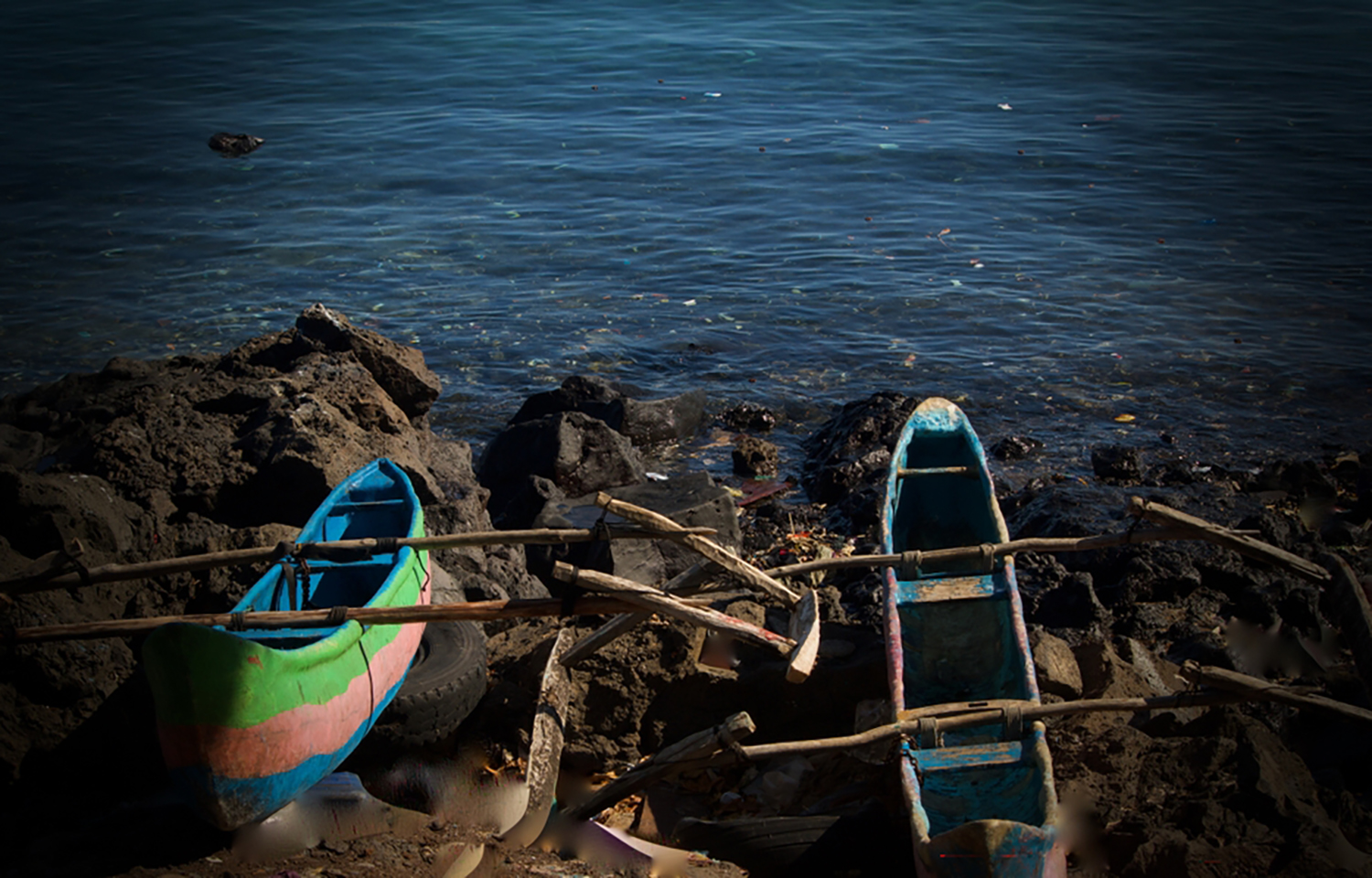
A new World Bank study has found that fisheries in Comoros, an archipelagic nation in East Africa, are particularly susceptible to the effects of climate change, and therefore, the nation must invest in the sector to mitigate adverse impacts, especially as many coastal communities in the country rely on seafood as a sole food source.
The study, titled “Analysis for Resilient and Adaptive Fisheries in the Comoros,” outlined the implications of climate change on Comoros’ fisheries and coastal communities by combining biophysical modeling with socioeconomic analyses, finding that ongoing coastal erosion is “accelerating the loss of vital shorelines and degrading critical marine ecosystems such as mangroves, seagrass beds, and coral reefs.”
The study pointed to coral bleaching as “a particularly urgent concern, with projections indicating that more frequent and intense marine heatwaves could result in severe and widespread damage to coral-rich areas.” Several fish species in the region use coral reefs as shelter and breeding grounds.
“Comoros’ vulnerability to climate impacts is influenced by its reliance on small-scale fisheries and generally low adaptive capacity, shaped by fiscal limitations, governance challenges, and limited alternative livelihoods,” the study said.
Under the highest-emissions scenario, the study said Comoros would be subject to increasingly severe marine heatwaves, and maximum catch potential (MCP) across the nation’s fisheries could decrease about 60 percent over the next 40 years or so.
However, under low and moderate emissions scenarios, overall MCP is projected to remain relatively stable through the end of the century, "provided fishing is managed sustainably."
To mitigate climate change’s impacts, the study identified protection of vulnerable species and habitats, strengthening coastal community resilience, and enhancing scientific and technical capacity as some of the country's top options for adaptation.
To that end, late last year, Comoros launched a USD 54 million (EUR 47.6 million) climate resilience initiative with financial backing from the World Bank and the French Development Agency. The project seeks to assist at least 140,000 coastal residents in restoring, protecting, and sustainably managing 6,200 hectares of mangroves, beaches, and upper watersheds.
In the medium term, the study suggested diversifying "coastal livelihoods via economic development opportunities like aquaculture, mariculture, and tourism, expanding community co-management, and reinforcing climate partnerships that draw on local knowledge."
With the support of development partners, the nation has already begun work on diversification options, with aquaculture production of species like shrimp and seaweed is being increasingly considered to reduce pressure on wild fish stocks and boost incomes
Elsewhere, the study called for better fisheries data collection, a ramp-up in enforcement against illegal, unreported, and unregulated (IUU) fishing, and empowering women and small-scale fishers through targeted training, with a focus on especially vulnerable areas of the archipelago.
Annual catch totals in the country are currently estimated at 22,000 metric tons (MT), more than 80 percent of which comprises large pelagic species such as yellowfin tuna and bonito. Small pelagics and demersal and reef species make up the rest of the share.
Previous World Bank projections estimate production growth in Comoros' fisheries sector at 5.2 percent annually between 2025 and 2050. This growth is anticipated to be driven by improved cold chain logistics, port and fleet upgrades, sustainable aquaculture, and better management of fishing rights within the nation’s exclusive economic zone.
