


Indonesia’s Ministry of Maritime Affairs and Fisheries (KKP) and environmental organization Konservasi Indonesia (KI) are pushing for the creation of two large-scale marine protected areas (LSMPAs) covering more than 24 million hectares.
The two areas aim to safeguard biodiversity, preserve habitat connectivity, and protect deep-sea ecosystems.
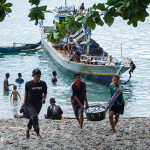
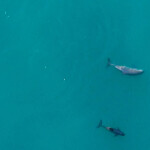
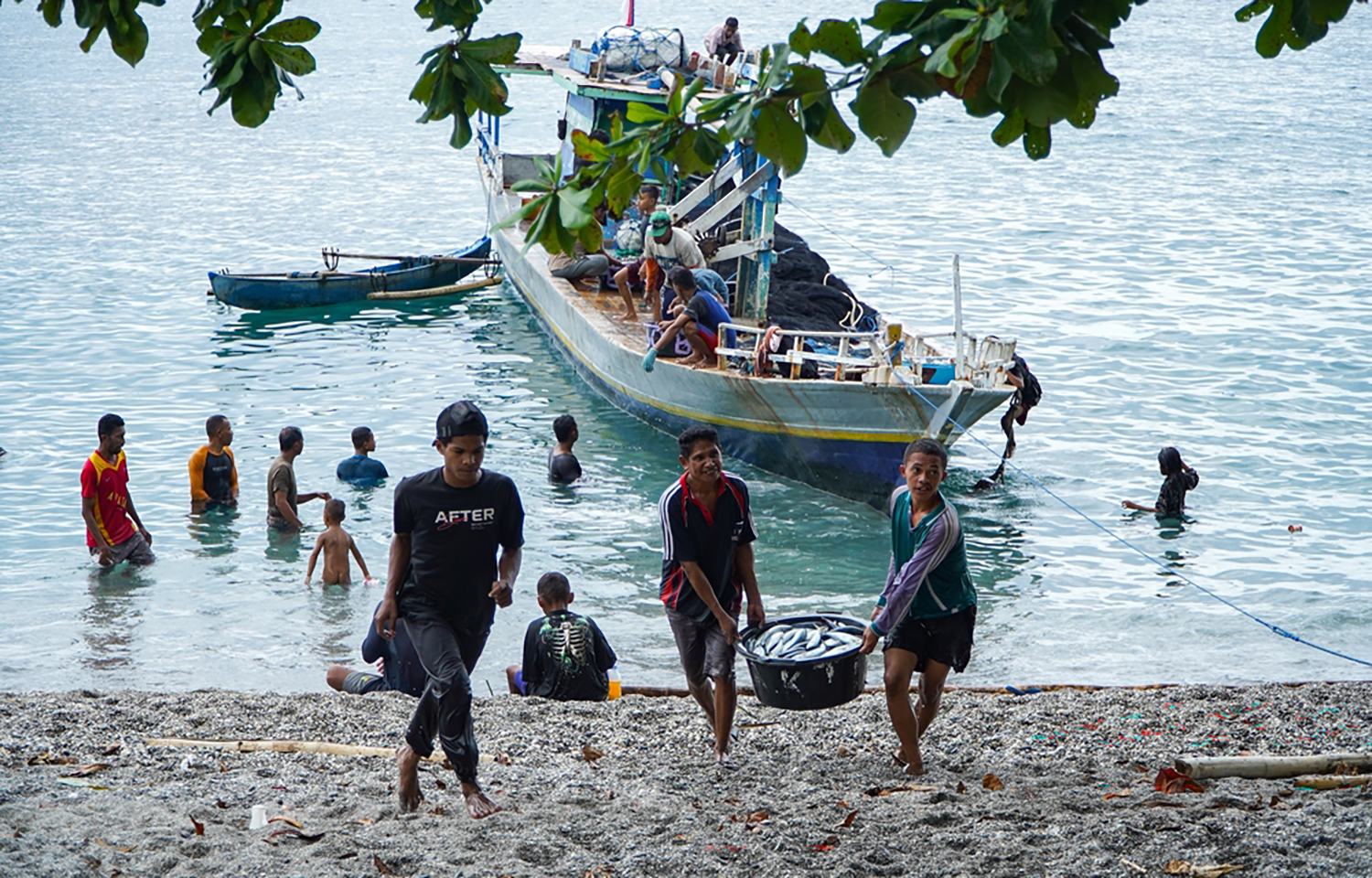
One proposed LSMPA covers approximately 11.3 million hectares in the Banda Sea, where studies have identified rich deep-sea biodiversity, including 397 coral species, more than 100 fish species, and 44 deep-sea animal species. While the sea provides livelihoods for more than 163,000 fishers in the eastern province of Maluku, it also serves as a migration corridor for whale sharks and pygmy blue whales, as well as a nursery ground for species such as yellowfin, bigeye, and skipjack tuna, according to KI Senior Vice President and Executive Chair Meizani Irmadhiany.
The other proposed LSMPA spans about 12.9 million hectares of water west of Sumatra, spanning six provinces – Aceh, North Sumatra, West Sumatra, Bengkulu, Lampung, and Banten – and the Sunda Strait. According to news agency Antara, a 2024 study found that fishing pressure on eight commercially important species off Western Sumatra exceeded biologically sustainable levels.
A cost-benefit analysis cited by Antara projects that the two proposed LSMPAs could generate a combined net value of about IDR 18.5 trillion (USD 1 billion, EUR 922 million) by 2045, largely through the recovery of fish stocks and spillover benefits to surrounding fishing grounds.
Per Antara, KKP Director of Ecosystem Conservation Firdaus Agung stressed the importance of larger protected areas in a country where marine conservation efforts have so far focused mainly on smaller coastal sites. However, Agung said that the boundaries of the two proposed LSMPAs will require formal data verification, public consultation, and cross-sector coordination before official designation.
The push to create two LSMPAs is part of Indonesia’s wider efforts to protect its seas.
In April 2025, KKP and its partner organizations jointly launched the Conservation Area Cost Benefit Analysis Guide as a reference in building and managing conservation areas. On 2 September of this year, KKP issued a decree designating around 683,826 hectares of the sea in Maluku as a conservation area, advancing national goals of protecting 30 percent of the country’s marine territory by 2045.
