

Indonesia is accelerating the modernization of select fishing villages and expanding aquaculture as part of a broader push to strengthen food security and support its national nutrition policy.
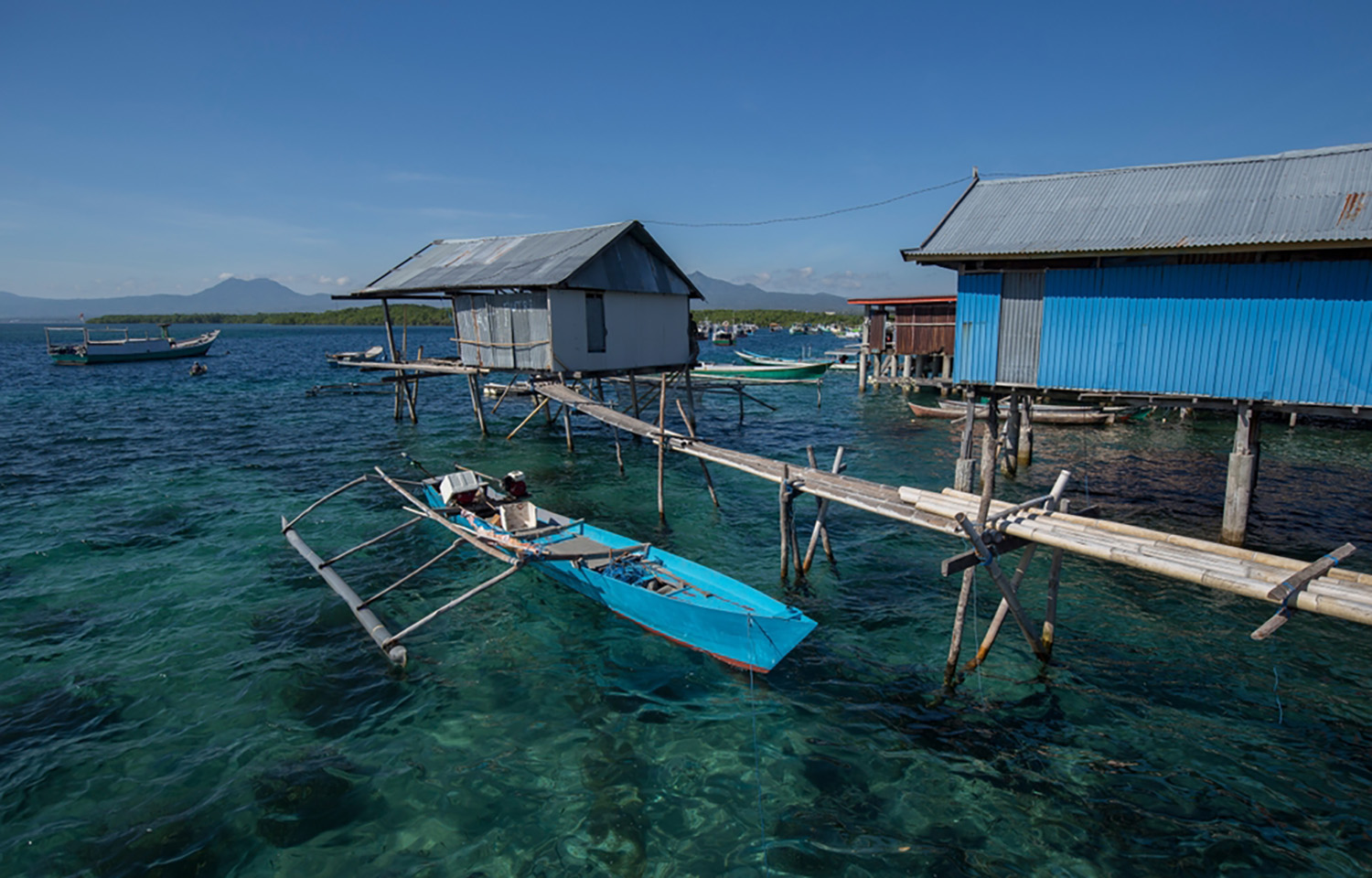
Under the Red and White Fishing Villages initiative, the most populous nation in Southeast Asia plans to modernize select coastal communities by improving production capacity, post-harvest handling, and market access. The government-funded program focuses on upgrading physical infrastructure and skills to lift productivity and incomes in traditional fishing areas.
Indonesia targeted 100 fishing villages for upgrades under a pilot phase. By late December 2025, construction at the first 65 sites had reached between 60 percent and 80 percent completion, with full delivery expected by January 2026, Antara reported, citing an official from the Ministry of Marine Affairs and Fisheries (KKP). Work on the remaining 35 sites is set to begin shortly.
Cold storage facilities within the upgraded villages are expected to serve as logistics nodes for the government’s flagship National Free Nutritious Meals Program.
With the pilot nearing completion, Indonesia President Prabowo Subianto said on 7 January that the government plans to upgrade 1,100 fishing villages this year, with additional sites to be added in 2027, according to Indonesian News Agency Antara.
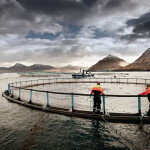
Alongside the modernization rollout, the government has identified aquaculture as a key production pillar in its food self-sufficiency strategy, with an emphasis on widely consumed freshwater species such as tilapia and catfish, according to state broadcaster Radio Republik Indonesia (RRI).
KKP is seeking to ease bottlenecks in the aquaculture sector, including feed availability and related infrastructure, to help farmers improve output and remain competitive. Regions such as Pandeglang in the coastal province of Banten are being prioritized due to suitable water conditions and available land.
“The KKP will continue to promote the strengthening of aquaculture policies and enhance coordination with local governments so that this potential can be maximized,” KKP Director General of Aquaculture Haeru Rahayu said. “In the future, tilapia and catfish will become one of the main commodities in supporting the National Free Nutritious Meals Program.”
Indonesia’s Parliamentary Commission IV, which oversees agriculture and maritime affairs, has also called for closer coordination between the fisheries ministry and the newly established National Nutrition Agency to integrate locally farmed fish into the government’s nutrition scheme, RRI reported.
