





On 27 June, five years after the European Commission’s initial proposal to modernize the European Union fisheries control system, a preliminary agreement on new regulation received approval from the European Parliament’s Fisheries Committee.
The 20-8 vote advances a planned overhaul of E.U. fisheries control rules with the goal of strengthening measures to combat illegal, unreported, and unregulated (IUU) fishing, with compulsory measures introduced on electronic tracking and traceability that aim to boost supply chain transparency, which have been long-sought goals of marine-focused environmental NGOs.
The regulation requires location tracking devices to be installed on all vessels under E.U. jurisdiction by 2030. Until that time, fishers must record catches via electronic logbooks, regardless of the size of the catching vessel. E.U. boats of 18 meters or more that may pose a high risk of noncompliance with landing obligations must also establish onboard remote electronic monitoring (REM) systems, including closed-circuit television (CCTV). Implementation of these systems must be done four years after the rules enter into force. Fishing vessels under 12 meters will be required to report their catch at the end of each fishing day.
The new regulations should make it possible to trace seafood caught by E.U.-flagged vessels through the supply chain, according to Oceana Europe Senior Policy Officer Ignacio Fresco Vanzini.
“The adoption of new European fisheries control rules is a remarkable milestone that will require all E.U. fishing vessels, including 49,000 small-scale ones, to track their location at sea,” Vanzini said. “This is an enormous step in E.U. sustainable fisheries management that will significantly contribute to enhancing transparency and offer tangible benefits to fishers, such as improved safety and more effective fishing operations.”
Oceana has also applauded the agreement’s requirement to increase public information on control efforts in effect in the various E.U. member-states, requiring them to report annually on how many infringements occurred in their waters and to detail the sanctions they levy.
Environmental Justice Foundation (EJF) CEO and Founder Steve said he hopeful the rules, if applied as written, will ensure fishing vessels report their catches more accurately. He said he was particularly happy about the rules reducing the margin of tolerance for reporting errors or discrepancies.
“In the long run, everyone loses out if we open the door to fish fraud. Fish populations will collapse, honest fishers will be at a disadvantage, and the E.U.’s credibility will be critically undermined in efforts to drive sustainable fisheries on the world stage,” Trent said in a statement. “This moment marks an unprecedented step in the right direction toward regulating illegal activities at sea.”
Trent said the new regulations are crucial in curtailing the overfishing of vulnerable species, such as yellowfin and bluefin tuna, by European boats operating in the Indian Ocean.
Spanish MEP Clara Aguilera said the deal moves the E.U. a step closer toward full digitization of the bloc’s fisheries sector and institutes much more effective traceability rules for fishery and aquaculture products.
“This regulation provides new tools and more flexibility that will make work easier for fishers, fully respecting the sustainability of marine resources,” she said. “It was not easy; it took us time, but the result is that we have reached a balanced agreement and the best possible regulation.”
But EJF Senior Advisor Sean Parramore said while the final deal is not perfect, it has the potential to improve the accuracy and reliability of catch reporting and, thus, better promote the sustainability of fisheries, but he warned the landmark law is only as strong as its enforcement by member-states.
“This is critical for the E.U. to be able to credibly lead by example in the protection and sustainable management of fisheries and marine ecosystems worldwide,” Parramore said.
The European Association of Fish Producers Organizations (EAPO) Policy Officer Paul Thomas said he’s worried E.U. legislators are adding more enforcement without simultaneously considering whether oversight could be softened in areas addressed through the new control measures.
“EAPO would have liked the CCTV requirement to have been accompanied by relaxations such as the free choice of gear, but unfortunately, it has not been possible for the European fishing industry to be consulted in this context,” Thomas said.
Both Parramore and Thomas said they support the overall direction in which E.U. fisheries control is heading. Thomas said there were other areas where the fishing industry had succeeded in leaving “important fingerprints” on the overall political agreement.
“In particular, the rules for the margin of tolerance in the logbook for small pelagic species have been changed so that it will hopefully be easier for the industry to comply with the legislation in the future,” Thomas said. “That is a big step in the right direction.”
Thomas said it his organization’s hope the overhaul makes it possible for businesses to comply with and authorities to enforce the new rules in a balanced and fair way, Thomas said.
The draft rules still require approval by the full European Parliament in one of the plenary sessions in Strasbourg, France, after members return from the summer recess on 22 August.
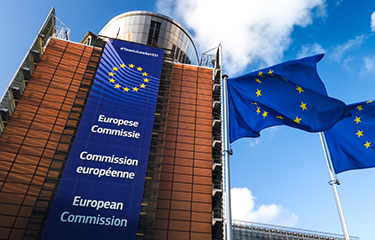
Photo courtesy of Symbiot/Shutterstock
