

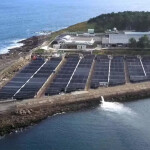


New Bedford, Massachusetts, U.S.A.-based Waterfront Cold Store LLC has purchased the former North East Refrigerated Terminal cold-storage facility in Taunton, Massachusetts, and is actively marketing its space to the region’s seafood suppliers.
The facility has 100,000 square feet of storage space, including a new fully racked 25,000-square-foot addition – effectively doubling Waterfront Cold Store’s total capacity, according to the company’s general manager, Bob Bowes.
“We’re very involved in the seafood industry through our three buildings in New Bedford, Mass[achusetts], and the Taunton facility has been used for as a cold storage warehouse for seafood for a lot of local businesses here,” Bowes told SeafoodSource. “One of our biggest customers, Norpel, has always really filled us to capacity at all three of our other locations, along with other customers, and has always had product in the Taunton facility, and our relationship with them will be the anchor of our expansion.”
New Bedford-based Norpel is a vertically integrated seafood company catching and processing herring, mackerel, and squid, primarily for the pet food market. Bowes said Waterfront Cold Store would like to attract other seafood businesses to use the company’s newly acquired facility in Taunton, which is 23 miles away from New Bedford. He said the company can now provide a more comprehensive storage solution, along with the three other cold storage facilities it operates in New Bedford and its expertise in handling seafood.
“We’re very familiar with the seasons and we pay attention to the quotas, because that determines how much we end up getting. The majority of what we deal with is groundfish,” he said. “New Bedford is, from what I understand, the most profitable port in the country and that’s driven by the scallop business down here. Right outside our window I can see 35 scallop boats, and there’s another 80 down the street. We have some customers who do scallops, but we’d like to have more."
Bower said the Taunton facility has three rail car doors in addition to eight regular dock doors.
"The addition of the rail car doors really change our scope. We can now unload rail cars, and we haven’t had that at any of our existing facilities in New Bedford,” he said. “It gives us access to everything that our customers want to bring into the area. There’s right now five different existing customers up there that utilize rail cars to import product and use it for further processing, and it just gives them a better cost alternative for larger shipments over longer distances to get the product they need.”
The surge in seafood and pet food sales through the COVID-19 pandemic has resulted in a big pick-up in business, accelerating the company’s expansion Bowes said.
“Without a doubt, it’s just gotten busier and busier ever since COVID started,” he said. “The seafood industry as a whole has been really busy lately and that has really boosted growth for our company.”
For a smaller cold storage operation like Waterfront Cold Store, the key to competing with the bigger players in the industry is through offering superior service, Bowes said.
“One of the key things we try to do is turn the trucks around quickly for the customers. So many seafood businesses here in New Bedford rely on local trucking, and if they have trucks sitting and waiting to unload at a warehouse, their production lines will be sitting idle and they’ll be losing money,” Bowes said. “Trucking companies like it too – they don’t want their truckers sitting idle waiting to be loaded. There are horror stories through COVID of trucks facing long, long waits, and we strive to make sure that never happens at our facilities. We always prepare and stage for our orders ahead of time and it’s our top priority to turn trucks around very quickly.”
Despite labor shortages across the country, Bowes said Waterfront Cold Store hasn’t experienced a problem, even with 24-hour nonstop operations.
“It was a little tough at the beginning when we had the pandemic issue and the business was increasing. But that definitely has loosened up in the last few months. Right now, we’re in the middle of squid season in the [U.S.] Northeast and we’ll probably handle 15 to 18 million pounds of squid that will go through our warehouses. So we have to be open 24 hours a day, because boats pull up to the production facility all day and all night long and we have to make sure everything gets serviced in a timely fashion,” Bowes said.
Photo courtesy of Bob Bowes/Waterfront Cold Store LLC
