






Nissui Co. has introduced a plan to spend JPY 17 billion (USD 113 million, EUR 105 million) to expand its seafood-processing capabilities in the United States and European Union.
The Tokyo, Japan-based seafood conglomerate, which operates over 20 seafood industry subsidiaries, including Gorton's, UniSea, King and Prince, F.W. Bryce, Nordic Seafood, Sealord, Mrs. Fridays, Nigico, TNFC, YTC, Delmar, TaiMei, Emdepes, and Five Star, announced the move in its Q3 2023 financial results.
Under the company’s "Good Foods 2030” strategy announced in 2022, which outlined a plan for accelerating its global expansion and its overseas food business, Nissui singled out a focus on becoming the world’s top fried whitefish and shrimp product-maker.
“To achieve this goal, we have been considering increasing production capacity in both areas, as we lacked it,” Nissui President and CEO Shingo Hamada in a 14 February release.
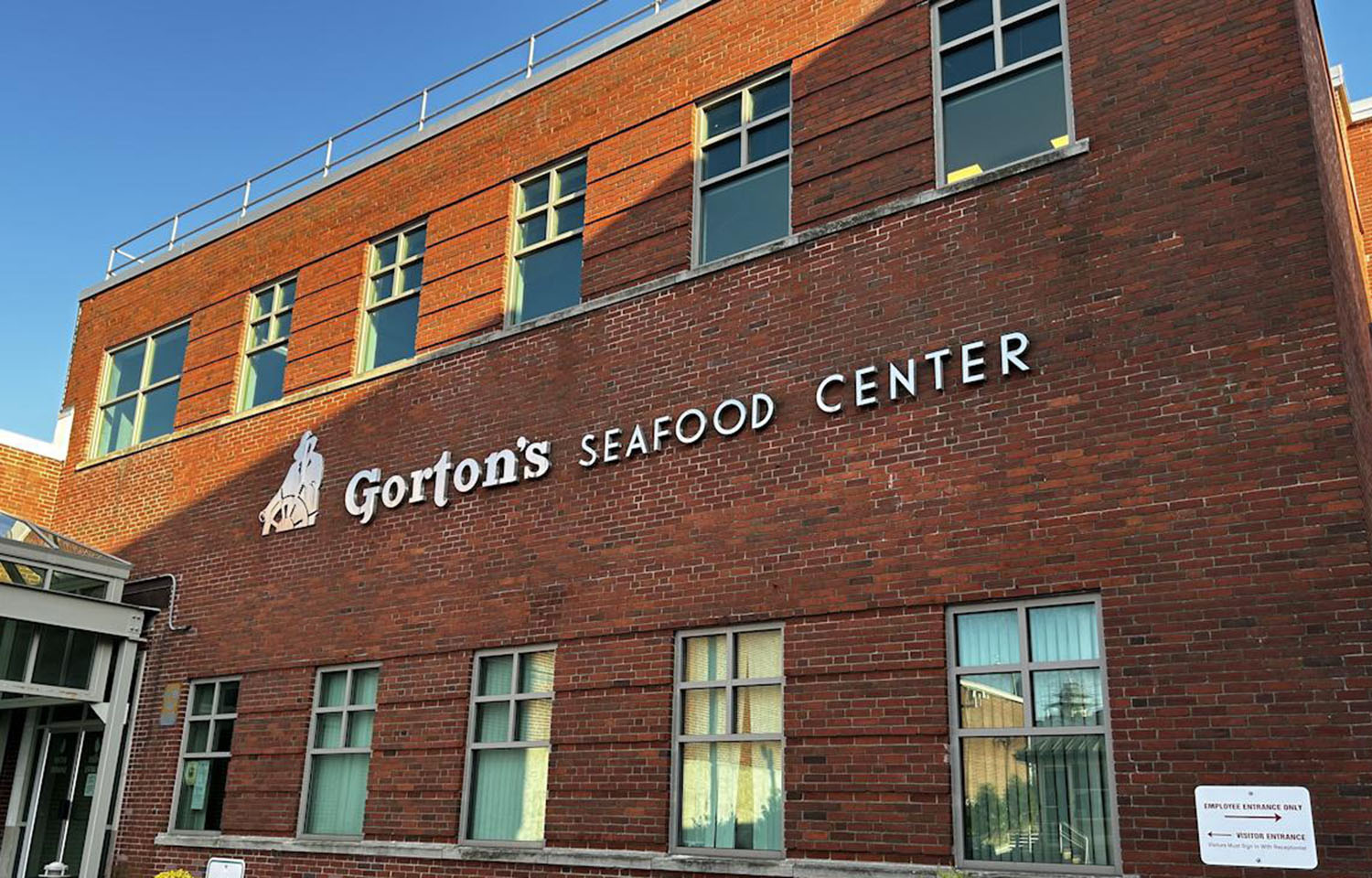
Specifically, Nissui was looking to add capacity at Gloucester, Massachusetts, U.S.A. Gorton’s, which manufactures and sells frozen seafood products in North America, and Plumerine, France-based Keranna Productions, which produces frozen and chilled fried whitefish and alternative protein products.
“Gorton's has the top market share in the home-prepared frozen seafood category in the United States, and in addition to its mainstay line of fried white fish products using Alaska pollock, it is also working to expand products using shrimp,” Hamada said. “However, the current production capacity centered on the head office factory has reached its limit.”
After considering and rejecting the possibility of making one or more acquisitions to address the issue, Nissui has instead decided to invest in the establishment of a new Gorton’s production base in the U.S. state of Indiana.
“Aiming to start operations in the second half of 2025, in addition to increasing production capacity, we will improve logistics efficiency for raw material procurement and product sales, increase production of value-added products, and optimize production items,” Hamada said.
Nissui is also investing in an expansion of Keranna Productions’ facility production capacity by 2025, according to Hamada.
“We have decided on a factory expansion plan to increase our capacity. At the same time, we will improve delivery efficiency, optimize production items with existing factories, and automate packaging equipment,” he said.
Keranna was acquired in 2022 and made into a subsidiary of Kervignac, France-based Cité Marine, which manufactures and sells chilled fried seafood products. Cité Marine has grown significantly since its acquisition by Nissui in 2011 through the addition of three processing facilities via the purchase of Verson, France-based Cap Ocean in 2016, Lorient-based whitefish product manufacturer Halieutis Fish and Co. in 2017, and shrimp product manufacturer Miti, headquartered in Nantes, also in 2017.
Hamada said the expansion represented a major milestone for his firm.
“By increasing the production capacity of both companies, we will further expand our overseas food business and deliver new foods to people around the world,” he said.
In its latest results, Nissui reported JPY 625.5 billion (USD 4.1 billion, EUR 3.8 billion) in net sales for the 9 months ending 31 December 2023, up from JPY 578.3 billion (USD 3.8 billion, EUR 3.6 billion) in the same time period of 2022, and JPY 26.4 billion (USD 176 million, EUR 163 million) in operating profit, up from JPY 23.4 billion (USD 156 million, EUR 144.9 million) year over year. Nissui forecasted net sales of JPY 825 billion (USD 5.5 billion, EUR 5.1 billion) for FY 2023, ending 31 March 2024, up 7.4 percent, and JPY 29 billion (USD 193 million, EUR 179 million) in operating profit, up 18.4 percent.
Nissui said its fishery business saw both sales and profit increase on solid sardine and mackerel catches, and that sales increased in its aquaculture business but profit decreased. In Japan, its production of coho salmon increased due to declining mortalities and its farmed tuna sold well. The company said it could not take advantage of better pricing on buri yellowtail caused by lower supply, and that with production returning to normal this year, there has been a subsequent decline in prices. Nissui said its sales value rose for its processed seafood products, including value-added lunch products and fish oil and fishmeal, due to price increases. Furthermore, “market conditions for key products such as salmon/trout, surimi, and imported frozen tuna entered an adjustment phase.”
“Although we can see the signs of recovery due to the early disposal of unprofitable inventory, sales and profits decreased,” Nissui said.
In Chile, Nissui noted higher survival rates resulting in better trout sales volumes, but because of lower prices for global salmon and trout and higher shipping prices profit declined. In the United States, Nissui processed more surimi due to an increase in the catch quota for Alaskan pollock, but rising labor costs and a “sharp decline” in surimi and fillet prices hurt the company’s profits.
Nissui noted improved food-processing operations in the U.K. and an expansion of its sales area into Spain and Italy. It said its July 2023 acquisition of Gourmet Delica Co. resulted in increasing sales and profit. Nissui also acquired IJmuiden, the Netherlands-based Maxima Seafood in December 2023.
For the three quarters stretching from 1 April to 31 December 2023, Nissui reported its sales of marine products at JPY 256.1 billion (USD 1.7 billion, EUR 1.6 billion) and its food products sales at JPY 332.6 billion (USD 2.2 billion, EUR 2.1 billion) up from JPY 248.8 billion (USD 1.7 billion, EUR 1.5 billion) and JPY 285.6 billion (USD 1.9 billion, EUR 1.8 billion), respectively, from the previous year.
“For our company and its group, the Food Products business saw the positive effects of domestic and international price hikes and decreasing raw material price, resulting in a profit rise. In the Marine Products business, profit decreased as the market prices of our main products, such as salmon and surimi, decreased in Japan and overseas. Meanwhile, domestic fisheries and aquaculture business were firm,” Nissui said.
The company reported concern regarding its outlook for the Japanese, U.S., and E.U. economies due to inflation and interest rate hikes.
“Currently, in addition to increasing geopolitical risks in each area, Europe and the U.S. is facing concerns about economic slowdown,” it said. “The situation is uncertain in Japan due to the earthquake occurring early in the new year.”
Photo courtesy of Nissui
