





A new report is calling for Icelandic fishing company Samherji to properly acknowledge its role in a fish quota scandal it carried out in collaboration with Namibian government officials, as well as properly compensate Namibian fishers who lost their jobs as a result of the misconduct.
The scandal, first publicized in 2019 and colloquially known as Fishrot, resulted in scores of workers losing their jobs due to large chunks of the country’s fishing quotas being allocated to state-owned National Fishing Corporation (FISHCOR) before they were sold to Samherji at below market prices in exchange for bribes.
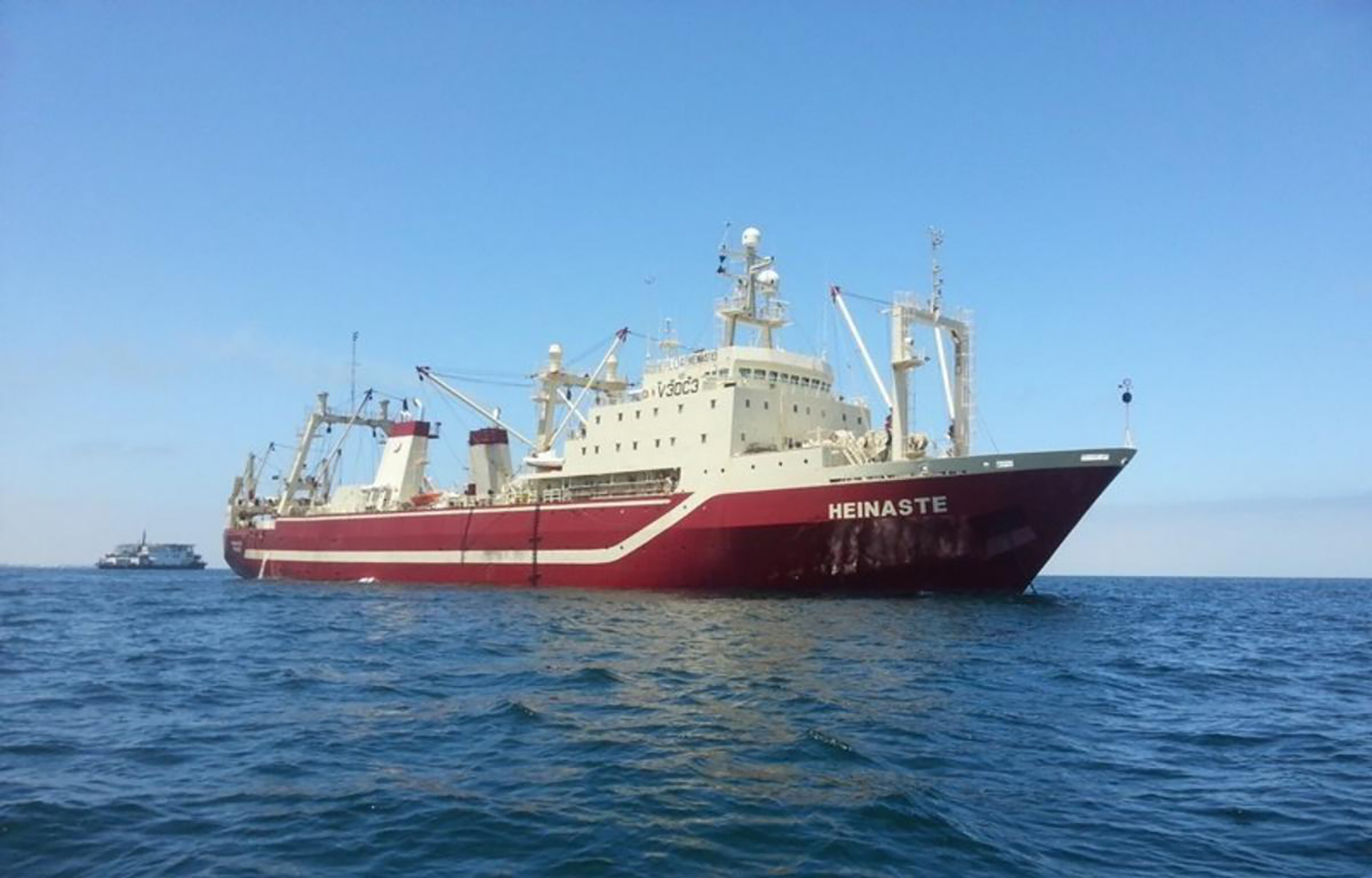
Due to the loss in fishing quotas, certain fishing companies had to lay off workers, and when the scandal came to light, even more lost jobs because Namibian authorities later impounded Samherji factory trawlers.
At least six former Namibian government officials were charged with receiving USD 15 million (EUR 13.8 million) in bribes from Samherji. Some have been jailed; others are still on trial.
Prepared by Namibia’s Institute for Public Policy Research (IPPR) in partnership with the British High Commission in Namibia, the report, “We are the ones that suffered the most,” traces the Fishrot scandal from its inception to where it currently stands, labeling it as a deliberate effort by the Namibian government to tweak the country’s fishing laws to benefit state-owned fishing entities and Samherji.
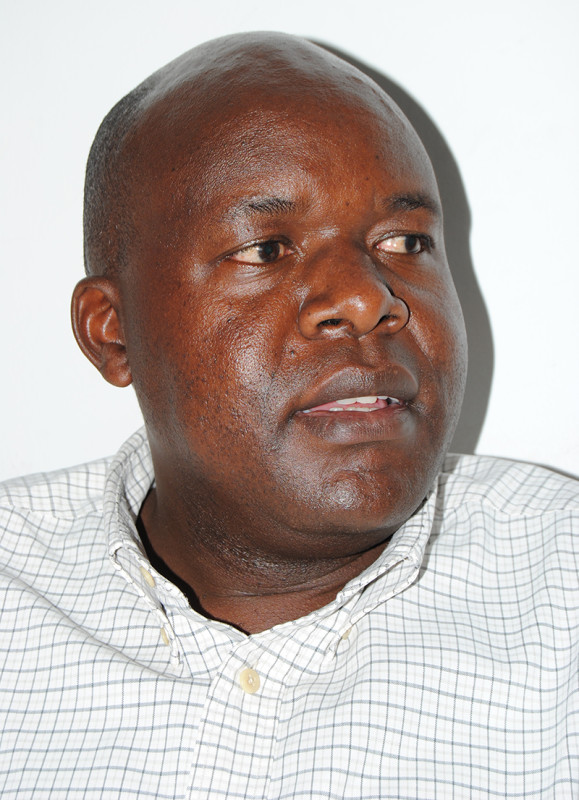
“The aim of the report is to inform and energize calls for full accountability and redress for the Fishrot scandal, especially in Iceland and other countries where individuals and institutions carried out and facilitated corrupt activities,” IPPR Executive Director Graham Hopwood said.
According to the report, Fishrot is not simply a tale of two entities and individuals in two countries but a scandal that has enveloped many jurisdictions, including Angola, South Africa, Mauritius, the Marshall Islands, the United Arab Emirates, Cyprus, the Faroe Islands, the U.S., the U.K., Germany, and Norway.
One company particularly affected by the Fishrot scandal was Namsov Fishing Enterprises, which received either no horse mackerel quota or had its quota heavily reduced from 2014 until the scandal came to light. At least 1,000 workers lost their jobs after quotas were diverted away from Namsov, which later became a subsidiary of Tunacor, another fishing company.
The report interviewed several ex-fishers released from employment by Namsov and other fishing firms.
“People have suffered a lot psychologically, emotionally, physically, and financially, and everyone has been sugarcoating the situation and painting a picture that everything is fine. Fishrot has damaged the face of Walvis Bay beyond repair and it can only be fixed when we start talking about the truth and nothing else,” Walvis Bay Rural Constituency Councilor Florian Tegako Donatus said of the scandal’s effects at the country’s principal port.
Walvis Bay Mayor Trevino Forbes said Namibia is “looking at an industry that was once so rich, and now the people who worked in that industry have been so affected to the point that they have become, allow me to say this, beggars.”
The report said the process of accounting for the wrongs of Fishrot “is still a long way from being completed, but it is underway.”
Samherji, for its part, has yet to indicate willingness to pay reparations to anyone impacted by the Fishrot scandal nor fully acknowledge its role, according to the report.
For now, many affected workers have been placed under the Namibian Government Employment Redress Program, launched in the 2020-2021 fiscal year, through which fishing companies that were known actors in the scheme pay them a monthly stipend of NAD 4,000 (USD 213, EUR 196).
The report follows several years’ worth of similar pressure NGOs have placed on Samherji and others to ensure a scandal like this has little chance of occurring again.
