



Norway has long been a leading exporter of seafood to the United Kingdom, with the Scandinavian country holding an estimated 20 percent share of the U.K. seafood import market just last year.
However, there are worrying Norway-U.K. seafood trends arising, mainly regarding declining fish consumption among Britons and subsequent dips in import volumes of Norwegian cod, salmon, and prawns.
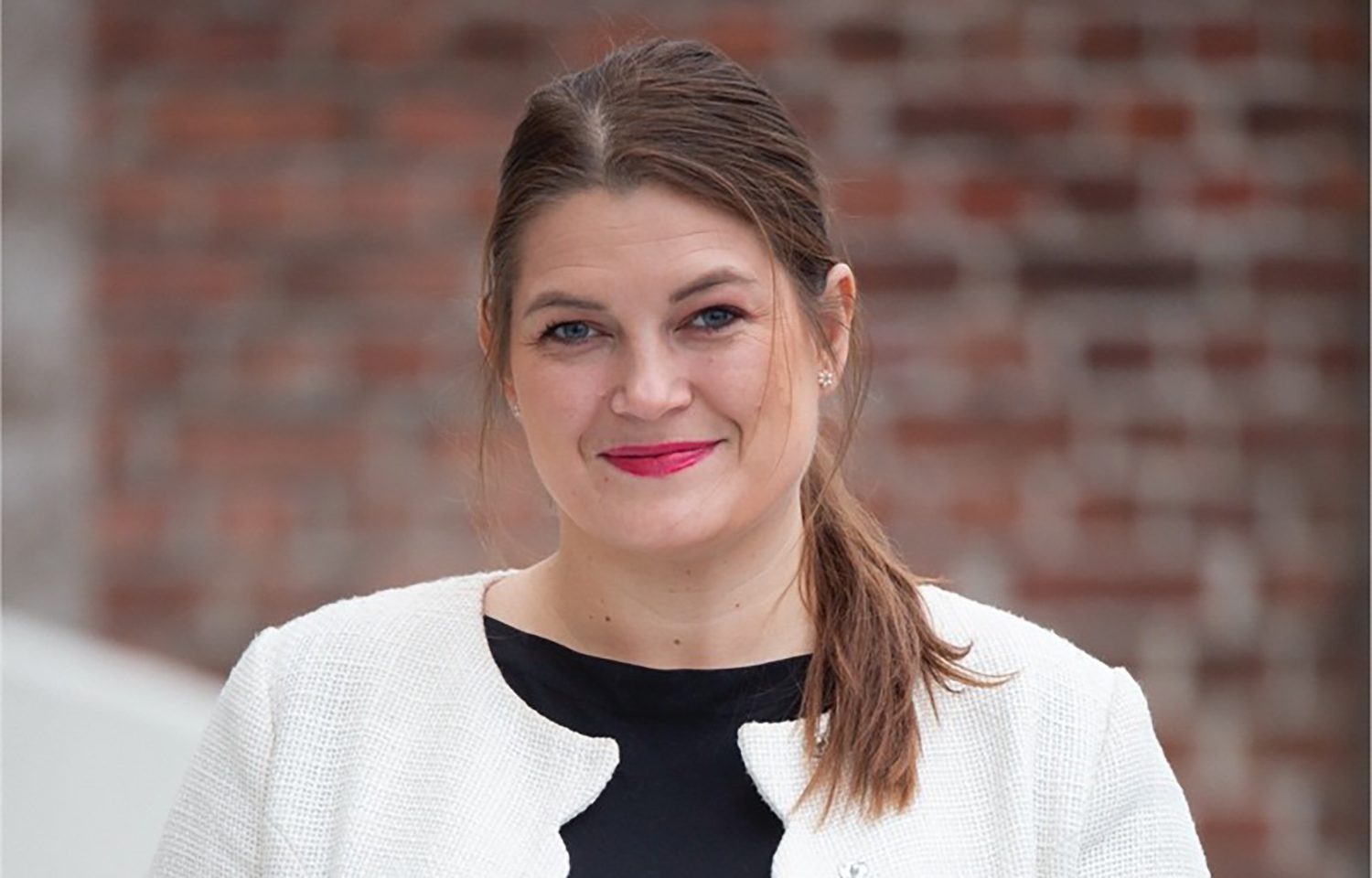
This topic was a major discussion point at the 2024 Norway-U.K. Seafood Summit, held on 27 February at Fishmongers’ Hall in London, where the recently appointed Norwegian Minister for Fisheries and Ocean Policy Cecilie Myrseth and the U.K. Minister for Food, Farming, and Fisheries Mark Spencer both outlined the importance of collaboration between the two countries in strengthening and developing seafood trade and relations.
Myrseth noted that last year, Norway exported around 135,000 metric tons (MT) of seafood to the U.K., highlighting how crucial the U.K. market is to the Norwegian seafood industry and adding that trade will further be supported by the electronic export health certification (EHC) system that Norway recently implemented.
No problems with the system have been reported so far, she said.
“I hope we can continue to have constructive dialogue to reduce barriers to seafood trade between our two countries,” Myrseth said.
As for Norway’s internal efforts, Myrseth told the summit that a heavy focus has been placed on ensuring production is sustainable, acknowledging that there have been continuous improvements but there is plenty of room for more.
“Too many fish die before slaughter – in many cases because laws and regulations are not being followed,” she said. “That is not acceptable.”
To this end, Myrseth confirmed the Norwegian government is now preparing a whitepaper regarding animal welfare that covers all farming areas. This will follow close on the heels of another whitepaper the government released in January regarding fishing quotas, prioritizing the distribution of resources in a “fairer way.”
Spencer told the summit that the U.K. government recognizes the importance of Norwegian seafood, adding that providing U.K. consumers with easy access to these products is essential for consumer choice, health, and balanced diets.
Therefore, maintaining this trade is crucial to U.K.-Norway supply chains, Spencer said.
As for encouraging more seafood consumption, Spencer pointed toward the U.K. government’s National Food Strategy, launched in two parts from 2020 to 2021, which contains a “vision for seafood” that encourages consumers to eat more fish – a section of the strategy that certain industry groups said is far too brief.
Spencer said that, despite the criticism, the efforts – in tandem with the government’s new Target Operating Model (TOM), which will seek to harness new technologies, make use of real-time data to mitigate border friction and trade costs based on risks, and reduce trade barriers that followed Brexit – should lead to increased consumption and improved trade relations
“Seafood is considered part of that model,” he said. “I’m pleased that Norwegian whitefish is rated as low-risk and doesn’t require an EHC. Norwegian farmed salmon does require one, but these can be transferred electronically, minimizing disruptions to that trade.”
Stage 1 of the U.K. TOM was successfully implemented on 31 January 2024, and the second stage will follow on 31 April 2024 in preparation for the 2025 U.K. Border Strategy, Spencer said.
“We will be conducting live end-to-end testing on seafood trade between Norway and the U.K., and this demonstrates our mutual respect,” he said. “We will, of course, continue to work with our Norwegian colleagues to ensure we minimize any disruption as we set up those new operating models.”
Besides seafood trade, Spencer also acknowledged the contribution that Norwegian companies have made to U.K. aquaculture, most notably to the Scottish salmon-farming industry.
“The significant investments made by Norwegian companies in our salmon sector in Scotland that have made it a success also represent your success,” he said. “I am determined to see that success continue.”
In response to both ministers’ comments about increasing imports, trade body Salmon Scotland called for a swifter introduction of an electronic system for U.K. exporters. It insists the country’s salmon farmers remain frustrated by the lack of new e-certification capabilities for EHCs, especially as such a system has already been successfully piloted.
“We’ve been saying since Brexit that we need electronic systems to reduce the red tape for salmon farmers. So, given this now happens for seafood imports from third countries like Norway, as highlighted by the fisheries minister, we’re surprised that this still hasn’t been sorted for exporters to the E.U.,” Salmon Scotland Chief Executive Tavish Scott said. “International demand for Scottish salmon continues to increase, and it’s vital for economic growth here at home that we remove barriers for key exporters like salmon farmers.”
Salmon Scotland previously estimated that post-Brexit paperwork costs salmon-farming companies in Scotland an extra GBP 3 million (USD 3.8 million, EUR 3.5 million) a year since the U.K. formally left the European Union on 31 January 2020.
