



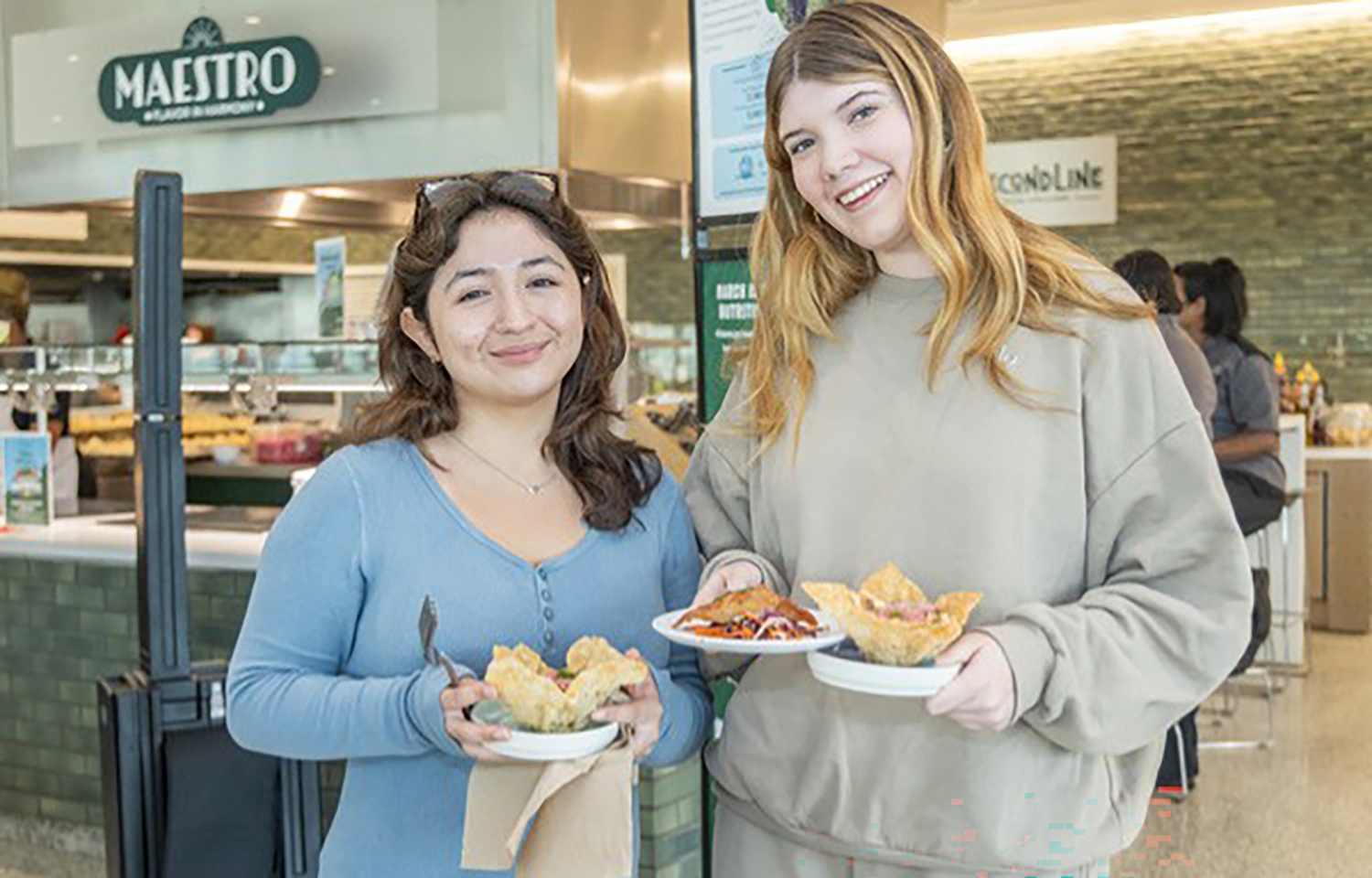
Chefs at Tulane University in New Orleans, Louisiana, U.S.A., are incorporating more local seafood into their dishes thanks to a partnership between the university, foodservice provider Aramark, and the Audubon Nature Institute.
Now entering its third year, the initiative includes hands-on experience for chefs from Tulane and other Aramark chefs in the area, along with educating students about sustainable seafood from the Gulf of Mexico, currently referred to as the Gulf of America by the administration of U.S. President Donald Trump.
Chefs undergo training in Sustainability 101 and Seafood 101 classes, where they learn how Gulf fisheries are managed and the challenges they face, with a focus on shrimp. Chefs also learn how the state's ongoing coastal land loss threatens the healthy estuaries that give Gulf seafood its quality, flavor, and abundance, according to Audubon Nature Institute Director of Sustainability and Coastal Conservation John Fallon.
"In Louisiana, you feel close to the coast, but you don't always understand what's actually happening to it," Fallon said.
They then take field trips, which include a visit with a tuna and finfish producer at the dock or processing plant and spend time with a local shrimper to understand the supply chain firsthand.
A partnering chef then leads hands-on instruction, which this year focused on whole-fish butchery and creative preparation techniques.
"Educating university chefs about Gulf seafood is just one way we can move the needle. We want our chefs to come out of this with more personal conviction and excitement," Tulane Hospitality Sustainability Manager Emily Slazer said, emphasizing that the goal is to pass that enthusiasm on to the students they feed daily.
Slazer explained students from all over the world who attend Tulane can learn about Gulf seafood and sustainability through Tulane Hospitality’s daily offerings, along with special quarterly menus featuring Gulf seafood dishes and experts such as Fallon visiting the campus and answering questions during events.
However, the program isn't just about education; it's also about supporting Gulf fishing communities through strategic procurement decisions.
Years ago, Tulane Hospitality committed to serving only Gulf shrimp in its residential dining program, even with the possibility of offering shrimp less frequently due to fluctuations in supply and price.
"Honestly, the price difference [between wild U.S. and farmed imported shrimp] hasn’t really been an issue," Slazer said.
Animal protein is one of the highest-cost ingredients on any menu, and sourcing decisions like this have to be built into the value proposition from the start, Slazer explained.
"Our partnership with Gulf seafood is really critical to the success of our program," she said.
Colleges represent big sales opportunities for seafood suppliers. Tulane University alone has 6,000 to 6,500 students on dining plans per semester on average, and it served more than 1.2 million students via meal swipes last year.
As for the future of the program, Fallon said Audubon and Aramark are already discussing how to broaden the program's footprint at Tulane – from general dining and catering to athletics and sports concessions.
