



Scientists at the Alaska Fisheries Science Center's Kodiak Laboratory recently completed research on how certain hybrid crab populations have increased in Alaska's Bering Sea following a marine heatwave and subsequent mass die-off events from 2018 to 2019.
“These results are unprecedented,” study lead Erin Fedewa said in a NOAA release. “We were shocked by the magnitude of the hybrid surge while analyzing data from the 2025 Eastern Bering Sea bottom trawl survey. It immediately became clear that this ecological response would ripple through to fisheries management.”
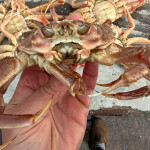
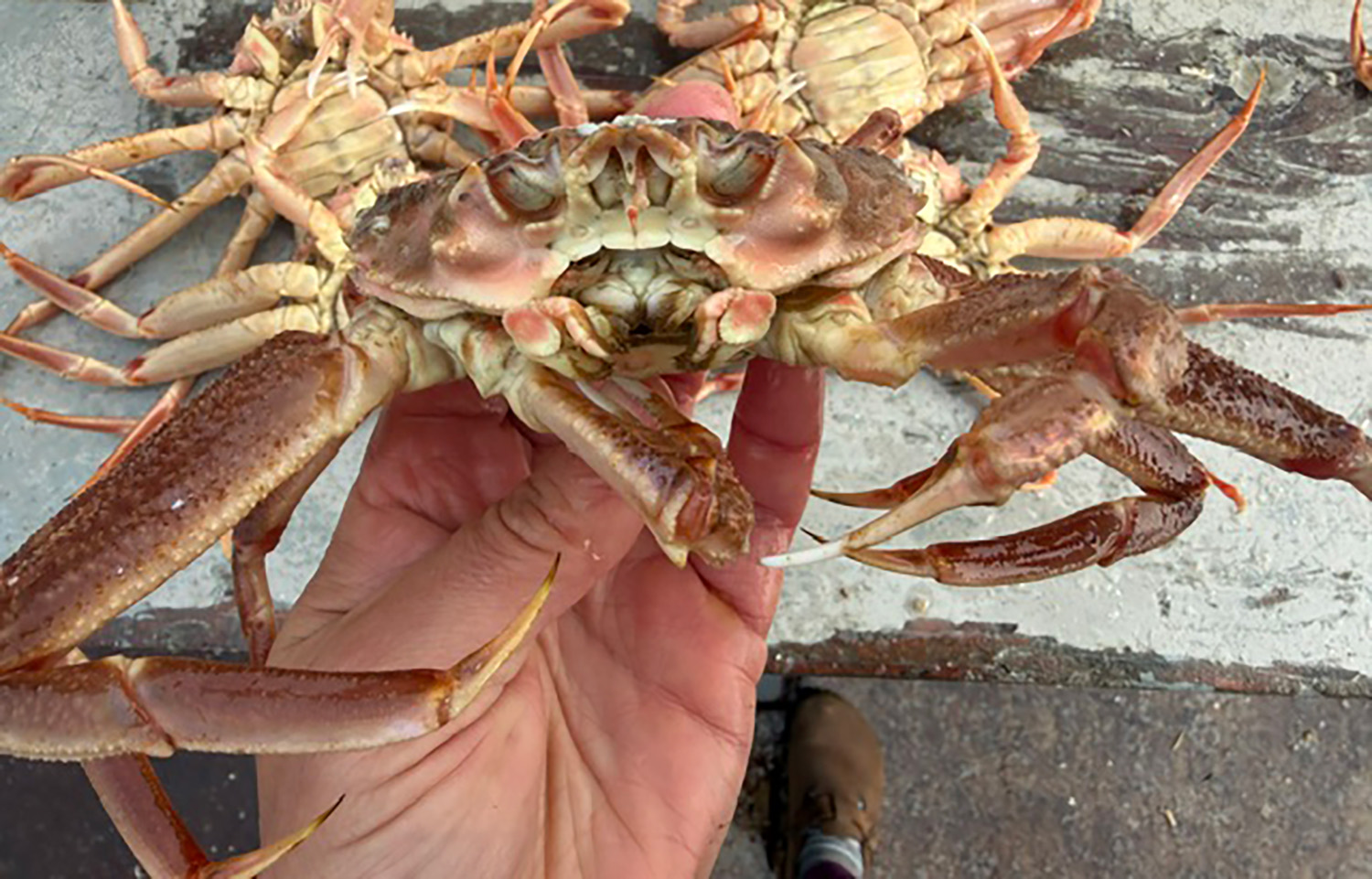
The results were published in a new Proceedings of the National Academy of Sciences study. NOAA reported in a release that after the severe decline in snow crab populations due to the marine heatwave, competition and predation decreased for snow-Tanner hybrid crabs, which were previously rare but have now increased by more than 13 times by 2025. Researchers also found that commercial-sized male hybrid crabs spiked from less than 10 percent of catch totals to nearly half in 2025.
According to the report, scientists initially thought the link in rising hybrid populations was attributed to warmer waters and increased spatial overlap of the two different species. But, further research found that the "catastrophic" population collapse caused the hybrid species to flourish due to drops in competition and predation.
Additionally, Tanner crab species specifically surged after the decline of snow crab. This finding was less surprising, NOAA said, because the sub-Arctic species thrives in warmer temperatures unlike other crab species.
NOAA said the Kodiak Laboratory researchers used dynamic structural equation models to explain why some populations spiked to all-time highs, while others did not. These models were able to use cause and effect scenarios to see if those factors contributed to population numbers, rather than correlative or predictive outcomes.
"The study concluded that indirect effects resulting from the marine heatwave-driven snow crab collapse accounted for 76 percent of the hybrid and Tanner crab population surge," NOAA said.
This research has major implications for fisheries management, NOAA added, following the release of Alaska's total allowable catch (TAC) for red king, Tanner, and snow crabs for the upcoming season starting.
“Given that we saw even more commercial-sized male hybrids on this year’s Eastern Bering Sea bottom trawl survey than in 2025, it’s clear this will continue to be a pressing management challenge for decision-makers,” study co-author Emily Ryznar said.
This season, male hybrid crabs can be legally harvested and landed as snow crab, despite not being incorporated into federal fishery management plans and without annual harvest quotes for Bering Sea crab stocks.
On the end buyer side, businesses and suppliers are constantly casting financial forecasts, especially on the retail side, and will have to incorporate the fluctuating hybrid species numbers into future forecasts.
“This study marks the first time an increase in hybridization has been attributed to a discrete marine heatwave event,” Fedewa said. “Our findings highlight the inevitable limitations of using existing assumptions to predict responses to future conditions. Greater flexibility in fisheries management systems will be critical in the coming years.”
