


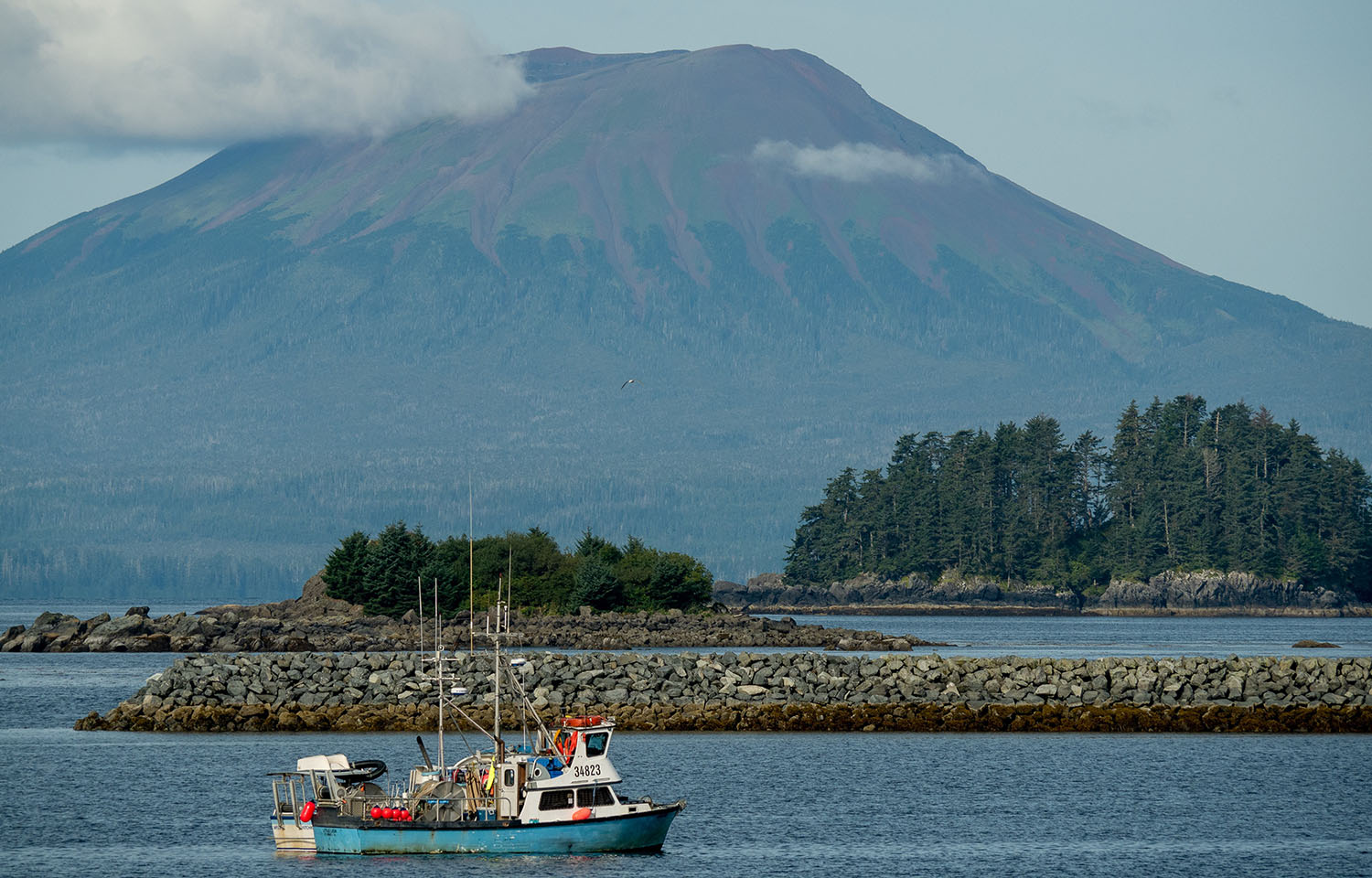
The Alaska Sustainable Fisheries Trust (ASFT), a Sitka, Alaska, U.S.A.-based fisheries advocacy organization, has received a National Fish and Wildlife Foundation (NFWF) grant for USD 293,000 (EUR 260,479) to expand its fishery data collection capabilities across 20 salmon troll fisheries in Southeast Alaska.
According to an ASFT release, the organization is planning to work with Bellingham, Washington, U.S.A.-based fishing data firm Real Time Data’s (RTD) application called “Deckhand,” which allows salmon trollers to collect and aggregate catch and observation data on a daily basis.
“We’re thrilled to see this project continue, and we look forward to working with fishermen to make at-sea data collection a smooth part of their daily fishing operation,” said RTD North America President Lange Solberg, who is also a commercial fisherman. “Operator-driven data collection helps ensure a sustainable and economically prosperous future for the fishing industry.”
Once the data is collected, the two organizations will use Portland, Maine, U.S.A.-based oceanic data analysis company Ocean Data Network (ODN) to digest the information, which will then be distributed to relevant parties.
Examples of data set to be collected under the partnership include temperature and depth, real-time satellite data transmission, catch composition, oceanographic conditions, and real-time stock assessments.
This data collection will allow fisheries managers to gauge the effectiveness of policies and determine how best to improve management practices, ASFT said, adding that fishermen will benefit by seeing analytics on how to improve harvest practices.
“Both from my time working in this fishery and the discussions I've had with many trollers, temperature at depth certainly plays a role in where fish are aggregating," ODN Director of Operations Jack Carroll said. "This project will give us the hard data to actually find those correlations between catch and oceanographic conditions, providing participating captains with real-time feedback to inform fishing strategy.”
Alaskan trollers once relied on a voluntary paper logbook program to record similar data sets to be shared between each vessel, fishery managers, and researchers. Longtime Alaskan fishermen Jim Moore participated in that program, ASFT said, and helped push for a transfer from paper logbooks to electronic logbooks to improve data sharing methods among Alaska’s largest fleets.
“I am excited to see our project expand to scale and fully expect to see increased participation and support from our research partners as we continue to provide valuable real time data for scientists, fishermen, and fisheries managers,” Moore said.
ASFT is currently recruiting Southeast Alaska trollers to participate in the project during the 2028 and 2029 troll seasons.
