



Chile’s government has kicked off the new year by reinforcing the message that its salmon industry, which rakes in USD 6 billion (EUR 5.6 billion) a year, must toe the line when it comes to environmental stewardship.
Emphasizing this message, the Chilean Superintendence of the Environment (SMA) sent its first mass notification of the year to owners of 223 salmon grow-out centers (CES, as per the Spanish acronym) regarding their ongoing production cycles, reminding each center of its estimated production to date and its maximum authorized limit.
A new SMA-created system, which references an algorithm that estimates centers’ production cycles, has streamlined the monitoring process for the Chilean government.
The system uses updated statistics obtained from the Aquaculture Inspection Information System of the National Fisheries and Aquaculture Service (Sernapesca) and includes center and owner identification, each center’s geographic location, and its code in the National Aquaculture Registry, as well as the Environmental Qualification Resolution that establishes its maximum authorized production and estimated effective production to date.
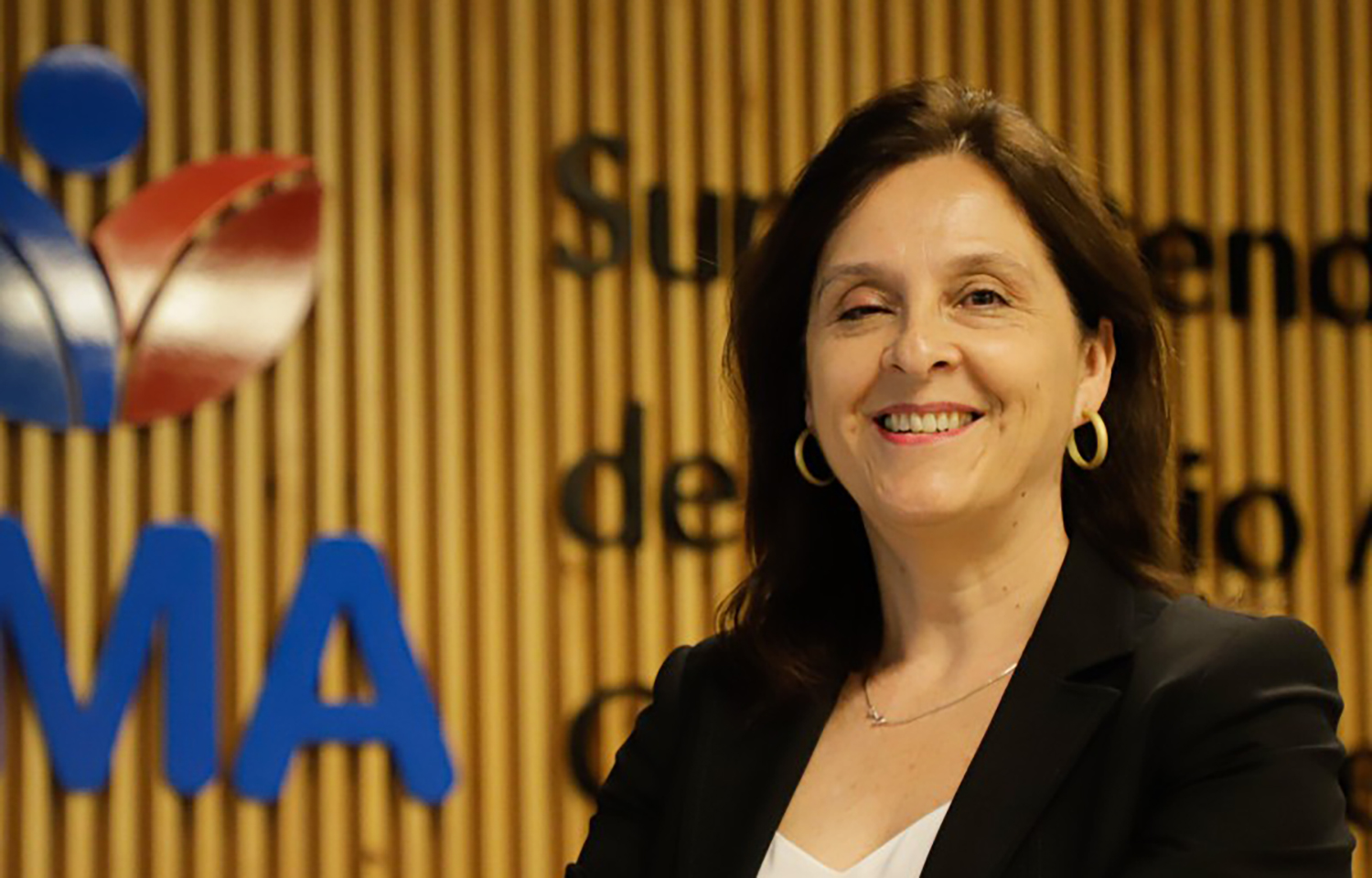
Chilean Superintendent of the Environment Marie Claude Plumer Bodin said the objective of these reports is to spur CES owners toward implementing actions that ensure their operations avoid exceeding those maximum production limits.
“The SMA is looking to drive the industry's environmental compliance. With these reports, [salmon farm concession] holders will be alerted to how their production level is doing as allowed in their environmental permit so that they can adjust accordingly,” Bodin said in an SMA release. “As we have previously indicated, environmental compliance must be an imperative for companies; it is part of the rules of the game.”
What led the government to introduce such oversight is evidence surfacing over the past few years of significant overproduction at certain salmon farming locations that may have led to environmental degradation, which, in turn, has led to industry scrutiny from organizations such as Greenpeace and people such as Chilean President Gabriel Boric. Boric was critical of salmon farming’s negative environmental impacts even before he became president as a parliamentarian hailing from the southern region of Magallanes.
Meanwhile, Chile’s Undersecretary of Fisheries and Aquaculture (Subpesca) recently held a seminar, entitled “Implications of Law 21,410: Measures to avoid the deposit of organic waste, research, and seabed recovery in aquaculture concessions,” in conjunction the salmon industry to guide farmers on how the law’s enforcement, which took place at the end of January, will affect their operations.
The law aims to combat the main environmental impact of aquaculture projects: the deposit of fish feces and uneaten food into the seabed. This significant increase in organic matter can lead to anaerobic zones that result in biodiversity loss, and to avoid this, the law establishes seabed recovery and research plans as a priority for salmon concessions.
“The duty of the aquaculture concession holder, or whoever has a right over said concession … [is] to adopt measures to avoid or reduce, as appropriate and as stipulated by the regulations, the deposit of organic waste at the concession’s seabed,” Article 74 of the General Law on Fishing and Agriculture (LGPA) states. “To this end, it must submit a recovery plan and a seabed research plan in the concession area to Sernapesca.”
If carried out as intended, recovery plans should establish the use of physical, chemical, or biological mechanisms aimed at improving the conditions of sedimentation areas, according to the law. If Sernapesca then finds that improvements are needed, the body can authorize technology that aquaculture concessions holders can use to recover the seabed, in accordance with the regulations.
