




Ecuadorian fishing crews working in the Pacific Ocean have found themselves caught in a violent and unexplained campaign of attacks this year, with survivors describing bombs dropped by drones launched from unmarked vessels.
Three Ecuadorian fishing boats have been targeted since January, but the identity and authority of the attackers remain unconfirmed months later.
The first vessel that was struck, the Fiorella, set sail from the Ecuadorian port of Jaramijó on 13 January with 10 crew members. According to Amnesty International's reconstruction of the voyage, the boat was tracked for several days by aircraft, patrol boats, and drones bearing U.S. markings as it moved between Ecuador's mainland waters and the Galápagos exclusive economic zone (EEZ).
Communicating with relatives via satellite messages, the captain of the Fiorella expressed his growing unease about the surveillance. On 20 January, radio contact with the boat was lost after crew members on a nearby vessel heard cries for help and then saw smoke on the horizon. Two of the 10 crew members had departed from the vessel before it was attacked; the remaining eight have not been found.
“The families of the eight individuals whose whereabouts are unknown fear that this is a case of enforced disappearance at the hands of the United States,” Amnesty International Americas Director Ana Piquer said in a statement, calling for a criminal investigation. “The U.S. and Ecuadorian authorities must confirm or deny whether state agents from either country were involved, take all necessary steps to ascertain the fate and whereabouts of the victims, and provide reliable evidence showing what happened to them.”
Two more boats then suffered attacks in March.
The Negra Francisca Duarte II, carrying 16 fishermen, was reportedly struck by drone-dropped explosives on 17 March as it returned to Ecuadorian waters after being cleared by the country's coast guard. Survivors said they abandoned the burning boat and swam toward a blue vessel that had been trailing them, only to be restrained, hooded, and held on deck overnight without medical treatment for their injuries.
“The [crew] were there, hurt and scared. Some got a fire extinguisher to try to put out the fire, but there were too many flames,” Captain Hernán Flores told The New York Times. “We were really scared.”
Next, the Don Maca, with a crew of 20, was hit on 26 March; the boat's engine was disabled, and a crew member was wounded by flying glass.
In both cases, the fishermen said they were picked up by an unmarked blue ship crewed by armed, English-speaking men in unmarked uniforms and then handed to the Navy of El Salvador; taken to a base in La Unión, El Salvador; and eventually released without charge.
Amnesty International has denounced the strikes against boats in international waters, and it considers the moves to be extrajudicial executions, or deliberate and illegal killings under international law.
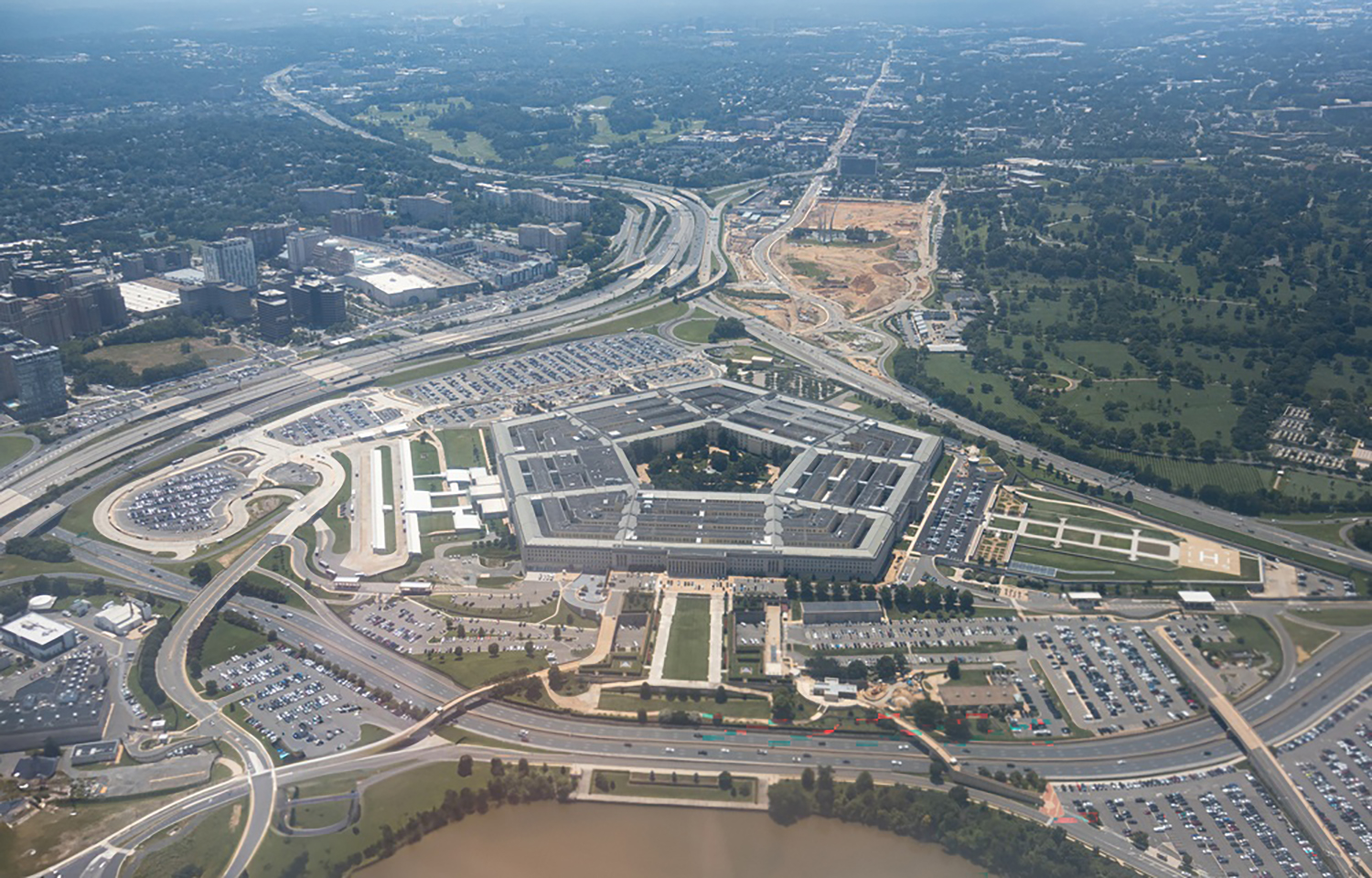
Both the U.S. Coast Guard and the Pentagon have denied any knowledge of or involvement in the attacks in and around Ecuadorian waters, which are distinct from the Pentagon's publicly acknowledged strike campaign against suspected drug-running vessels that has killed at least 221 people in more than 60 strikes since September 2025 and which the administration of U.S. President Donald Trump has openly documented on social media.
The attacks on the fishing boats in Ecuador, meanwhile, have never been claimed by any government or agency.
Flight-tracking data examined by The New York Times and The Washington Post highlighted a surveillance aircraft, registered to a company using a UPS store mailbox in Virginia as its address and flying from a military-linked airport in El Salvador toward each boat's location in the days surrounding the attacks. But, the plane was not listed among the Pentagon's active aircraft.
“It would be one thing if the U.S. didn’t have an overt maritime strike campaign, but they do, and they’re posting snuff films of boats going up in flames regularly. That’s what makes this even more squirrelly,” Brian Finucane, a former State Department lawyer who specializes in war law, told The New York Times.
The unclaimed nature of the strikes has fueled speculation that a private military contractor may have carried them out on behalf of the U.S. or an allied government.
In 2025, Ecuador announced plans to partner with Erik Prince, founder of the private defense contracting firm Blackwater, to combat organized crime and fight illegal, unreported, and unregulated (IUU) fishing in the country. However, a spokesperson for Prince has now said that neither he nor any affiliated entity has any connection to the incidents involving the Ecuadorian fishing boats.
Earlier this year, the Trump administration reportedly discussed reviving “letters of marque” – a mechanism dating to the 18th century that would let the government formally contract private security forces to operate at sea, including detaining vessel crews. Those discussions were circulated among federal agencies in May and were intended to complement the Pentagon's existing boat-strike campaign, according to people familiar with the talks. The Pentagon has declined to say whether any such letters were ultimately issued.
In mid-August, The Washington Post reported that the attacks on the Ecuadorian boats were carried out under a covert Central Intelligence Agency (CIA) program, separate from the Pentagon's declared strike campaign and authorized as part of a broader presidential covert-action order targeting transnational criminal organizations. The CIA declined to comment, and congressional intelligence committee members contacted by the outlet also declined to discuss it. Former officials who spoke to the newspaper said they were puzzled why a secret program would run alongside a strike campaign the administration has otherwise publicized extensively.
While the Pentagon has continued to deny any knowledge of or role in the fishing boat incidents, last month, U.S. Southern Command announced the creation of Joint Task Force Western Hemisphere, expanding the infrastructure behind its counternarcotics operations across the region in cooperation with allied governments, including Ecuador.
On 20 August, the U.S. State and Treasury departments separately announced sanctions against a network of Ecuador-based individuals and companies, along with 10 Ecuadorian fishing vessels identified as blocked property for allegedly using fishing operations as cover to refuel and resupply boats smuggling cocaine toward Mexico on behalf of multiple cartels.
The Treasury Department said the network moved thousands of kilograms of cocaine a month and made specific mention of a campaign to combat it: Operation Pacific Viper – a U.S. Coast Guard counter-drug campaign launched in August 2025 that, as of June 2026, had seized roughly 112 tons of cocaine in the Eastern Pacific.
“These trafficking operations generate billions of dollars annually for cartels responsible for a significant share of the deadly drugs flowing into our communities. The United States will continue to use all our tools to dismantle the cartels profiting at the expense of American lives,” State Department Spokesperson Thomas Pigott said.
However, neither the August sanctions announcements nor other public statements from U.S. agencies have addressed the fate of the Fiorella crew or acknowledged responsibility for the March attacks. Members of Congress who have sought information from the State Department, the Pentagon, the Department of Homeland Security, and the Coast Guard say they have yet to receive a satisfactory response.
A criminal investigation opened by prosecutors in Manta, Ecuador, has so far made limited progress; the prosecutor originally assigned to the case was murdered in June.
