




A coalition of recreational fishing organizations is petitioning the government to ban Atlantic menhaden fishing in parts of the U.S., while union workers in the menhaden processing industry warn cuts would cost jobs.
The Jersey Coast Anglers Association, which represents more than 30 saltwater fishing clubs; the Hudson River Fishermen’s Association; the Hi-Mar Striped Bass Club; Tackle Box Fishing Company; Karen Ann Charters; and more have filed a petition to request emergency action to close commercial Atlantic menhaden fishing in the New York/New Jersey Bight. The petition, sent to U.S. Secretary of Commerce Howard Lutnick, is pushing for the federal government to use provisions of the Magnuson-Stevens Act to close the area.
“The annual ‘fall migration’of Atlantic menhaden south through the bight is beginning and is threatened by the reduction fleet, which is having unprecedented difficulty finding and catching menhaden near their base of operations on the Chesepeake Bay and is facing new restrictions there due to its prolonged negative impacts,” the petition states.
The angler groups claim the increased fishing pressure on menhaden is having adverse impacts on striped bass and other popular recreational fishing species, causing negative economic and social impacts in the region.
The move adds to other calls to restrict commercial menhaden fishing, including a request by U.S. lawmakers who sent a letter to the Atlantic States Marine Fisheries Commission (ASMFC) urging it to cut quotas for commercial menhaden fishing in the Chesapeake Bay. A recreational fishing organization in Maryland has also filed a challenge in the Virginia Beach Circuit Court, alleging the state bypassed public input when setting harvest quotas.
The menhaden fishery has also received blame for declines in osprey in the Chesapeake Bay.
The industry, meanwhile, has consistently maintained that the current science on menhaden and the ecosystem does not prove any causal link between the menhaden reduction fishery and declines in other species and said, in many cases, declines aren’t isolated to areas the fishery operates in.
“There is also a broader geographic context. U.S. Geological Survey scientists have noted recent leveling or declining osprey population trends in other parts of the country, including Florida, South Carolina, North Carolina, New Jersey, and Delaware, as well as on the Pacific Coast in California and Washington,” Ocean Harvesters, the largest user of the Chesapeake Bay’s current menhaden harvest cap of 51,000 metric tons, said. “The presence of similar trends in areas far removed from the Chesapeake Bay – and, in the case of the Pacific, where there is no Atlantic menhaden fishery – underscores the need for caution before attributing the Chesapeake observations to a single fishery.”
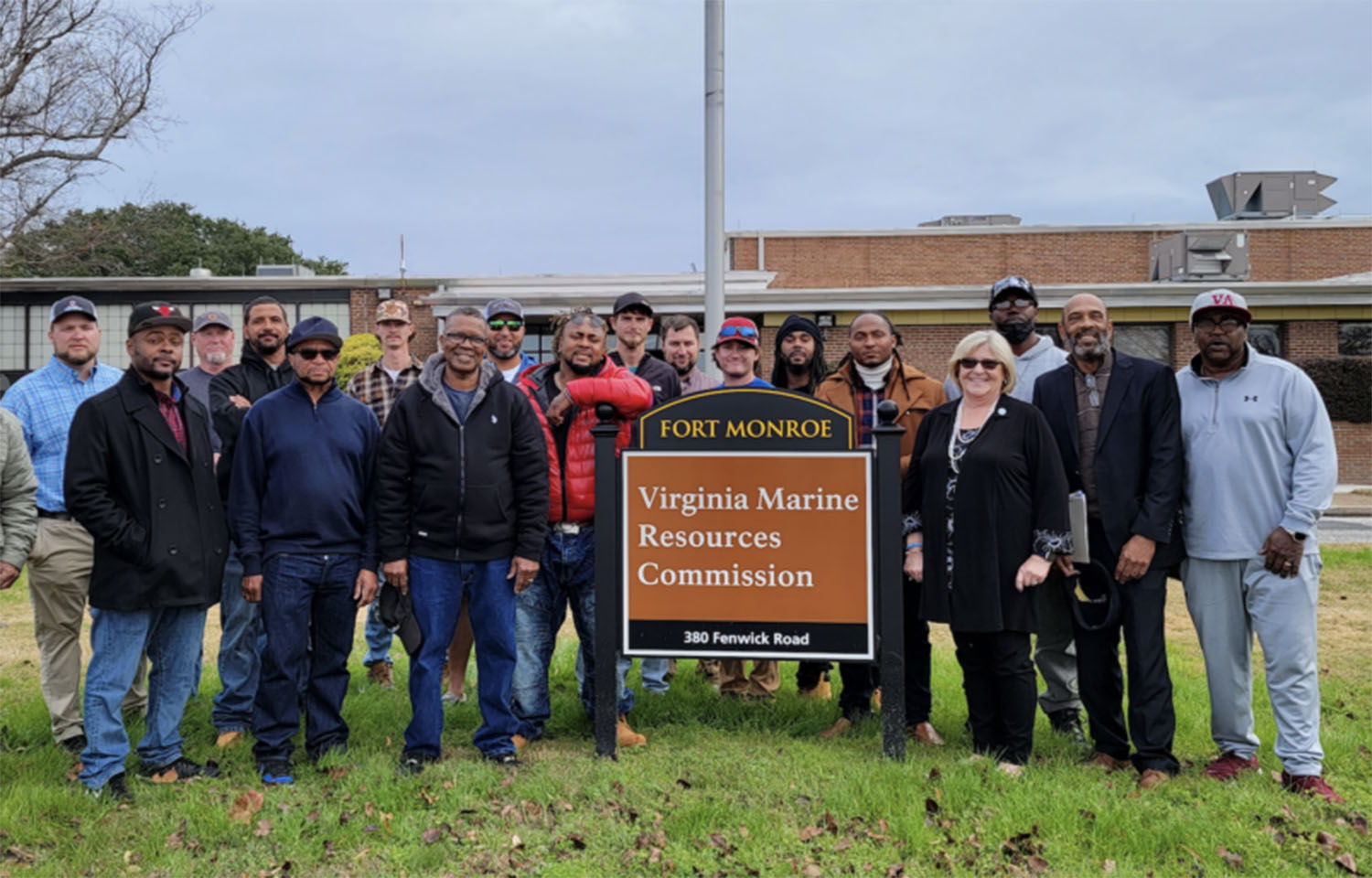
United Food and Commercial Workers (UFCW) Local 400 has also pushed back on the calls for closures, pointing out the latest ASMFC stock assessment found menhaden isn’t being overfished and that additional scientific research is actively being carried out on the impacts of the fishery.
“Working families should not be forced to bear the economic consequences of decisions made without a full understanding of their impact,” UCFW Local 400 said. “Environmental stewardship must go hand in hand with economic justice and meaningful consideration of the communities whose livelihoods are at stake.”
The union called for any future decisions on menhaden to be grounded in scientific understanding of the species.
“Conservation and workers’ rights should not be treated as competing priorities,” UCFW Local 400 said. “Any decisions about the future of menhaden must be grounded in rigorous research that is informed by the workers whose lives will be affected and accountable to the communities that depend on these jobs.”
