


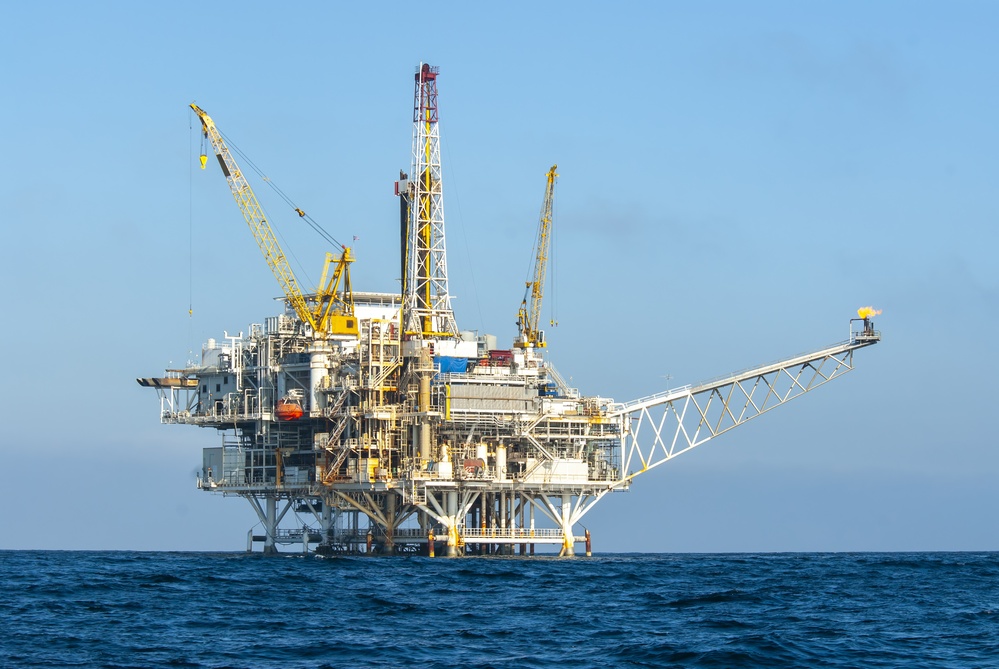
A controversial federal decree to restart oil drilling off the coast of California has drawn concern from state and municipal government officials, civil and environmental groups, and local fishermen.
Earlier this year, U.S. President Donald Trump ordered energy firm Sable Offshore Corporation to restart drilling operations at its Santa Ynez Unit off the coast of Santa Barbara, California. That decree was soon challenged in court, and in August, a U.S. judge fined Sable USD 1.45 million (EUR 1.25 million) for violating a pipeline consent decree; however, the judge declined a state request to halt operations of the Santa Ynez system, giving the company the authoritative greenlight to continue operating and expand the project, which it had been trying to revive since a 2015 pipeline spill.
According to the state government, that spill released approximately 142,000 gallons of crude oil along the Gaviota Coast in Santa Barbara County, killing thousands of birds and marine mammals and resulting in closed fisheries.
That spill was followed by a separate offshore pipeline leak in 2021 off the coast of Southern California, which dumped over 120,000 gallons of crude oil into the Pacific Ocean and prompted the California Department of Fish and Wildlife to again close fisheries along the coast.
Ava Schulenberg, the assistant director of seafood industry representative group Commercial Fishermen of Santa Barbara (CFSB), said many California fishermen believe operations such as Sable’s should not be activated “due to the increased chance of a spill in addition to the environmental harm it causes in general.”
She said incidents like the 2015 spill and 2021 leak have generated wariness among CFSB members, who fear similar incidents could arise again.
“There were pretty detrimental impacts when the first offshore platforms were installed off our coast,” Schulenberg said. “Regardless of one's opinion of the topic, no one wants to see detrimental impacts to marine ecosystems.”
Schulenberg clarified, though, that other CFSB members have varied opinions on the topic, with some members broadly supporting oil drilling in some capacity.
“There are some guys that feel that we should not be importing oil from other countries, just like we shouldn't be importing seafood from other countries, because it just supports potentially harmful drilling somewhere else,” she said.
Species targeted by CFSB member vessels include sea bass, spiny lobster, sardine, anchovy, cod, halibut, and squid. The group said its operations bring in USD 30 million (EUR 25.9 million) in annual economic benefits.
Sable’s return to drilling off of California came as the Trump administration launched a formal government review of the state’s management of its coastal development, claiming that California’s stewardship of its coastal development has stymied economic development.
The review, according to the U.S. Department of Commerce, aims to focus on whether California’s management has discouraged “compatible economic development, federal priorities related to spaceport infrastructure, offshore oil production, pipeline maintenance, desalination projects, undersea cables, and other key priorities of national importance.”
More than 30 federal lawmakers from California have protested that review, arguing that Trump is simply removing local control in order to advance his own policy preferences.
