





Peru’s government is considering direct cash assistance for families affected by El Niño, as the climate phenomenon disrupts economic activity, threatens employment in the fishing industry, and raises concerns about the country’s economic outlook for 2027.
Peru Economy and Finance Minister Elmer Cuba said the government is preparing measures to directly support households, as well as provide financial relief for productive sectors affected by the weather pattern. The proposed assistance could take the form of direct payments to affected families, while businesses could receive support through loan guarantees and more flexible credit conditions.
“For families, [we are] thinking about a type of direct assistance such as a cash payment, as was [done] during the pandemic,” Cuba told Peruvian radio station RPP.
The government is also reportedly preparing legislation to request a supplementary credit allocation of PEN 8 billion (USD 2.33 billion, EUR 2.08 billion) from Peruvian Congress, though only a portion of the proposed funding would be earmarked for measures addressing the effects of El Niño.
Cuba warned that the climate event is already affecting industries including fishing and textiles, with some areas potentially facing localized economic recessions if the impact is not adequately addressed.
“There may be provinces [in Peru] that may go into recession, which could go unaddressed if we do not take that into account, and for this, we are preparing [an] effective action,” he said.
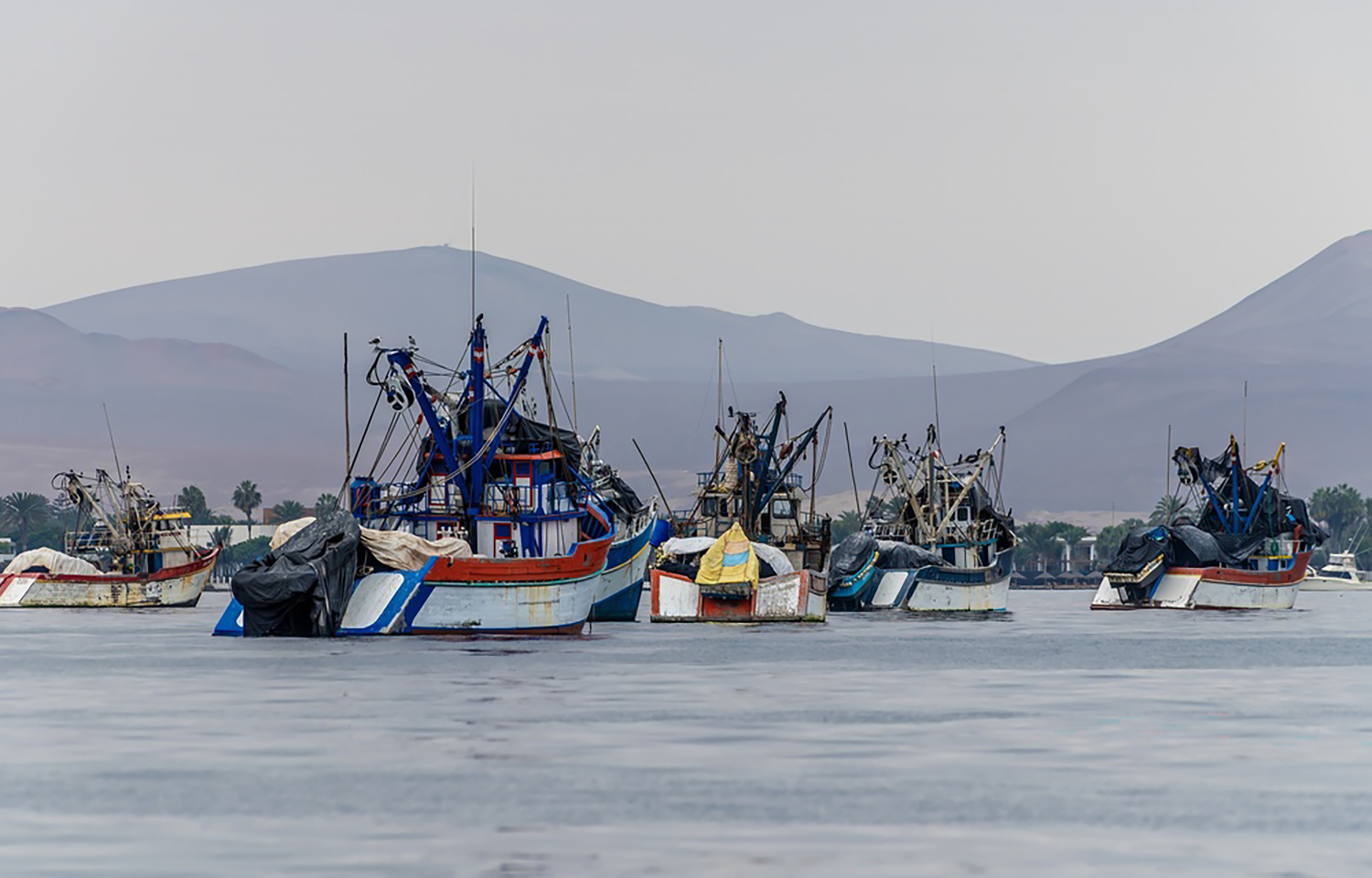
Industrial fishing activities have been severely affected by El Niño since May, and the disruption has implications beyond fishing companies themselves, according to Peru’s National Fisheries Society (SNP).
Approximately 250,000 people in Peru depend directly or indirectly on the industry, including vessel crews, processing plant employees, administrative staff, suppliers, and businesses operating around ports, SNP President Jessica Luna explained.
Luna has called for urgent government measures to help workers and companies weather El Niño’s effects. Her recommendations include extraordinary financing for vessel owners, continuity of health insurance coverage for workers, reduced tax burdens, and greater flexibility in meeting regulatory obligations and undergoing inspections while activities are disrupted.
“An extraordinary situation requires extraordinary action,” Luna said, arguing that the emergency response must go beyond the measures readily available to the sector.
The timing of the intensifying weather pattern is particularly difficult for the anchovy industry.
This year’s first season in the North-Central anchovy-fishing zone came to a premature close after vessels caught just 471,000 metric tons (MT), well behind the quota of 1.9 million MT. That cancellation has already impacted global fishmeal and fish oil supplies, as the fishery supplies as much as 20 percent of raw materials for the industry.
Sector observers are indicating the issue will not improve as the year progresses, as conditions for the second anchovy fishing season of 2026 are unfavorable, with preliminary results showing a high presence of juvenile anchovies and high sea temperatures that will make it difficult to fish for anchovy and may lead to a full-season cancellation.
“When the season is over and there is uncertainty about the second season due to the El Niño phenomenon, some workers are demanding economic support to face the coming months. Of course, that support has to be given,” Luna said.
She also stressed that support measures should not undermine fishing activity when scientific and legal conditions permit it. Peru’s industrial fishing sector operates under rules, institutional oversight, and control mechanisms intended to determine when, where, and how much fishing can take place, she said.
The industry is also calling for an internal coordinated response to El Niño, saying it is preparing to help communities affected by the weather event in order to complement any government assistance.
SNP General Manager Jorge Risi said producer associations, known as APROs, are coordinating with local authorities, institutions, and community organizations to identify needs and prepare responses. The associations connect fishing companies operating in different areas and maintain relationships with communities near their ports and landing sites.
“Faced with the threat of the impacts that El Niño could generate, the APROs have already been working on prevention: identifying needs, coordinating actions, and putting their capacities at the service of the communities to try to reduce these possible impacts,” Risi said.
He added that the industry has experience, local presence, and logistical capacity that could contribute to emergency preparations, despite the difficult conditions facing fishing companies.
“Today, more than ever, we need the public sector, the private sector, and communities to row in the same direction,” Risi said. “When an emergency comes, solidarity is not announced; it is demonstrated by being present and acting.”
The potential effects of El Niño are also a concern for the country’s broader economy.
In its Andean Investor Guide 2027, Credicorp Capital identified the climate phenomenon as one of the principal risks to Peru’s economic activity; however, Credicorp Capital characterized the risks associated with El Niño as cyclical rather than structural, maintaining a positive medium-term outlook.
“While the coming quarters could present volatility, we consider these risks to be cyclical rather than structural in nature. Once the pressures associated with El Niño begin to normalize, banks should benefit from a more favorable economic environment and higher credit growth,” the report said. “In our view, the trajectory of the sector's medium-term results remains positive, despite potential short-term disruptions.”
Credicorp Capital Managing Director of Research and Chief Economist Daniel Velandia pointed to Peru’s underlying economic strengths, including favorable terms of trade, an investment-friendly agenda, and improving business confidence as factors that could help the country persevere through short-term pressures.
“Peru has been showing a sustained strengthening of its macroeconomic fundamentals. The combination of terms of trade at record levels, a favorable agenda for investment, and a recovery in business confidence, which is currently at 15-year highs, is creating more favorable conditions for the execution of projects and the growth of strategic sectors of the economy,” Velandia said.
