





A coalition of seafood businesses, NGOs, consumer groups, chefs, and other stakeholders is calling on the European Commission to extend mandatory consumer information requirements to all seafood products, arguing that consumers can lose access to key information when fish ends up in processed products.
The Follow the Fish movement made the call during a recent meeting with European Commissioner for Fisheries and Oceans Costas Kadis, where it urged revisions to the E.U. Common Market Organization (CMO) Regulation for fishery and aquaculture products.
The issue, the movement explained, centers on a gap in the current CMO framework.
Under Article 35 of Regulation (EU) No. 1379/2013, specified fishery and aquaculture products marketed in the E.U. must carry information including the commercial and scientific name of the species, production method, catch or production area, fishing gear category for wild-caught products, and, where applicable, whether the product has been defrosted.
However, the mandatory provisions apply to specified product categories rather than all seafood, leaving prepared and preserved products outside the scope of some of these requirements.
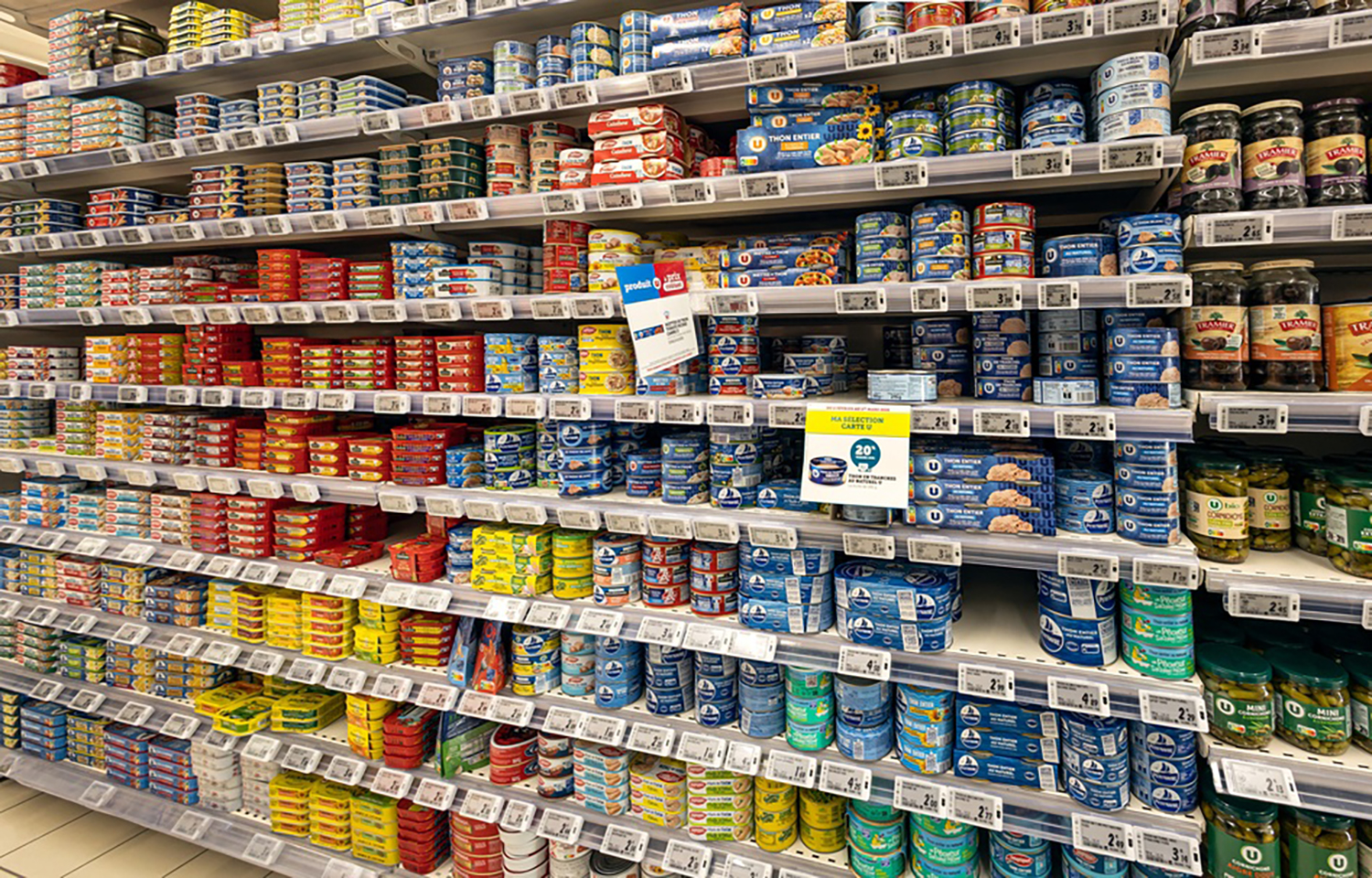
Follow the Fish said the inconsistency means consumers are often “in the dark” when it comes to essential information on products such as canned tuna, fish fingers, and ready-made seafood meals.
“People have a right to know more about the seafood they buy, including where it comes from and how it was caught or produced,” Oceana Head of Campaigns in Europe Vanya Vulperhorst said. “Transparency on the origin, production methods, and catching nation is paramount to helping consumers make informed choices. It also rewards businesses that fish legally, invest in sustainable practices, and comply with stronger standards. To ensure this information reaches consumers and to keep illegal and unsustainable seafood off the E.U. market, robust traceability and consumer information requirements must apply to all seafood products.”
Fish Tales Founder Bart van Olphen added that the information gap is difficult to justify.
“It makes no sense that consumers have the right to know where fresh fish comes from and how it was caught but lose that right when the same fish ends up in a can,” van Olphen said. “At Fish Tales, we have always made full traceability and transparency a priority, showing that it is possible to give consumers this information. We strongly believe everyone should be able to know what they are buying to make the right, informed decisions. It’s time for E.U. legislation to set that same standard across the industry.”
The coalition stated it wants mandatory information on species, origin, fishing method, and production methods to apply regardless of how the seafood is processed or where it is sold.
Follow the Fish’s wider statement on the issue noted that almost 70 percent of the E.U.’s fish supply comes from imports and that much of it is processed.
“What is especially concerning is that E.U. labeling regulations are less stringent for imported and processed products than they are for fresh, frozen, or E.U. products,” it said. “We believe that requiring crucial information on seafood products could help those who eat, buy, or sell seafood make sustainable choices and avoid products associated with illegal practices, unsustainable environmental practices, and unethical working conditions.”
Other calls the movement made during the recent meeting include the disclosure of the flag state of vessels catching wild seafood and consumer-facing information requirements to extend to foodservice outlets.
