




Hampstead, North Carolina, U.S.A.-based Atlantic Fish and Vienna, Austria-based food tech startup Revo Foods are partnering to create cell-cultured seafood, particularly whitefish alternative products, made with mycoprotein.
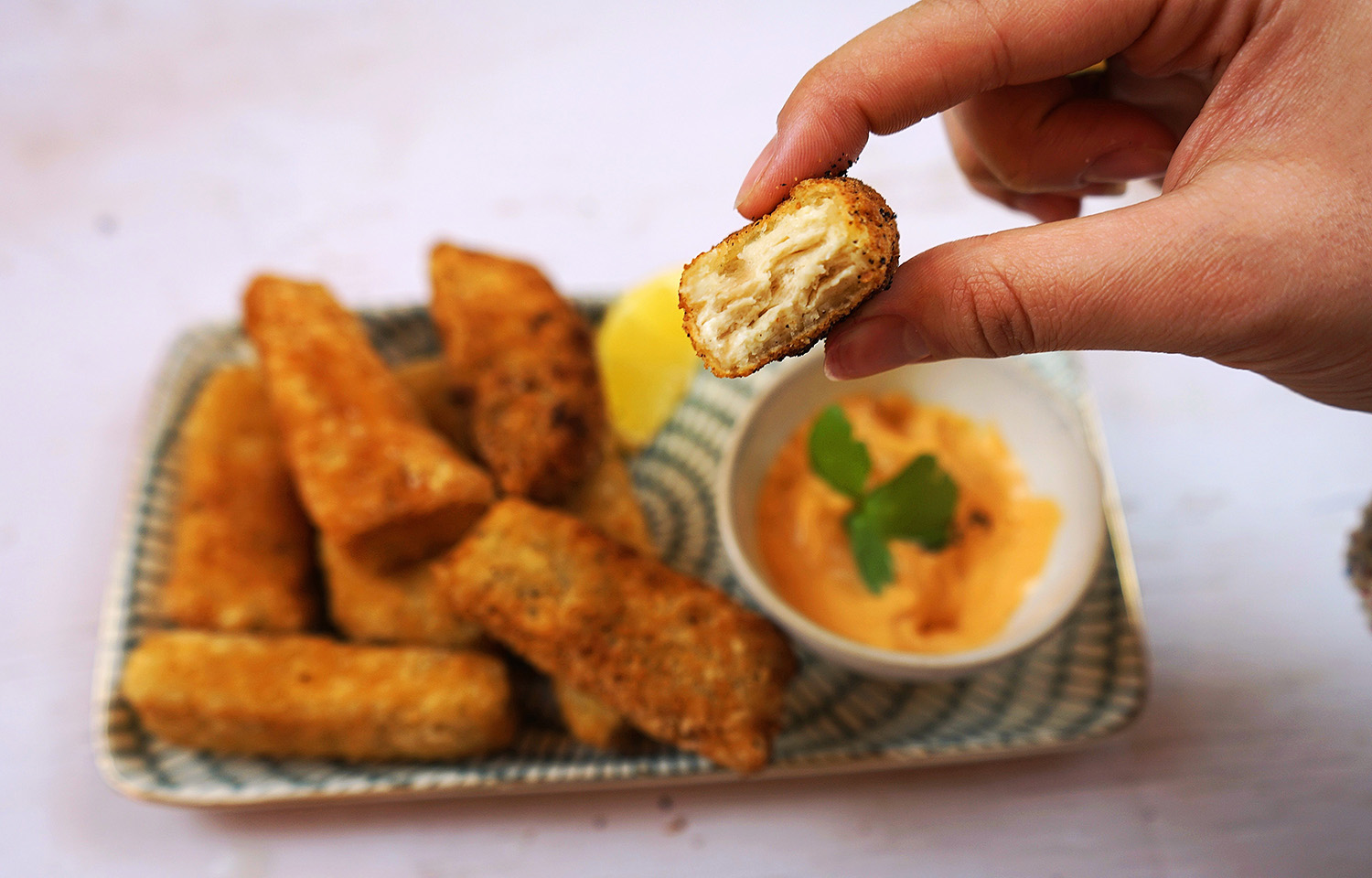
Using mycoprotein made via Revo's 3D extrusion technology, the two companies said they hope to create a product with the same flavor profile and appearance of seafood.
The collaboration marks a continuation of Atlantic Food’s proprietary whitefish cell lines and tissue engineering expertise, adding in Revo Foods’ mycoprotein creation and 3D food extrusion manufacturing, the companies said.
“Rather than relying solely on cell growth to create texture and structure, the hybrid approach uses mycoprotein – a fermented fungi-based protein already produced at scale – as the primary carrier,” the companies said in a release. “This structured base may allow cell-based material to be incorporated in a matrix that, in combination, can make cell-based meat cheaper while still delivering on taste and texture promises.”
Revo Foods said it has already seen success with utilizing layered protein structures, much like mycoprotein, to replicate the texture of whole-cut fish at the industrial scale. This has been the case in its “EL BLANCO – Inspired by Black Cod” product.
Now, the food tech startup aims to generate a similar result by partnering with Atlantic Fish and its cultivated whitefish cells. The collaboration will test cell-based materials from Atlantic Fish and 3D-structuring systems from Revo Foods to observe economical, technical, and sensory applicability, the companies said.
“By combining proven structuring technology with cell-based ingredients, the project aims to address one of the final technical hurdles of cultivated seafood: producing whole-cut products in an economically viable and scalable way,” the companies said. “More than 80 percent of whitefish products are consumed as whole cuts, making this format critical for consumer acceptance.”
Another niche the companies hope to find success in is faster production of hybrid products, as opposed to fully cell-based solutions, because the protein structures already exist in mycoprotein samples, rather than having to be generated from scratch.
The next step would be to ensure the same taste, feeling, and consumer satisfaction standards are met, just the same as a fully plant-based alternative. The companies said the goal is not to replace plant-based products with hybrid products entirely but, instead, to offer an additional practical product that can reach consumers and contribute to sustainability efforts.
