





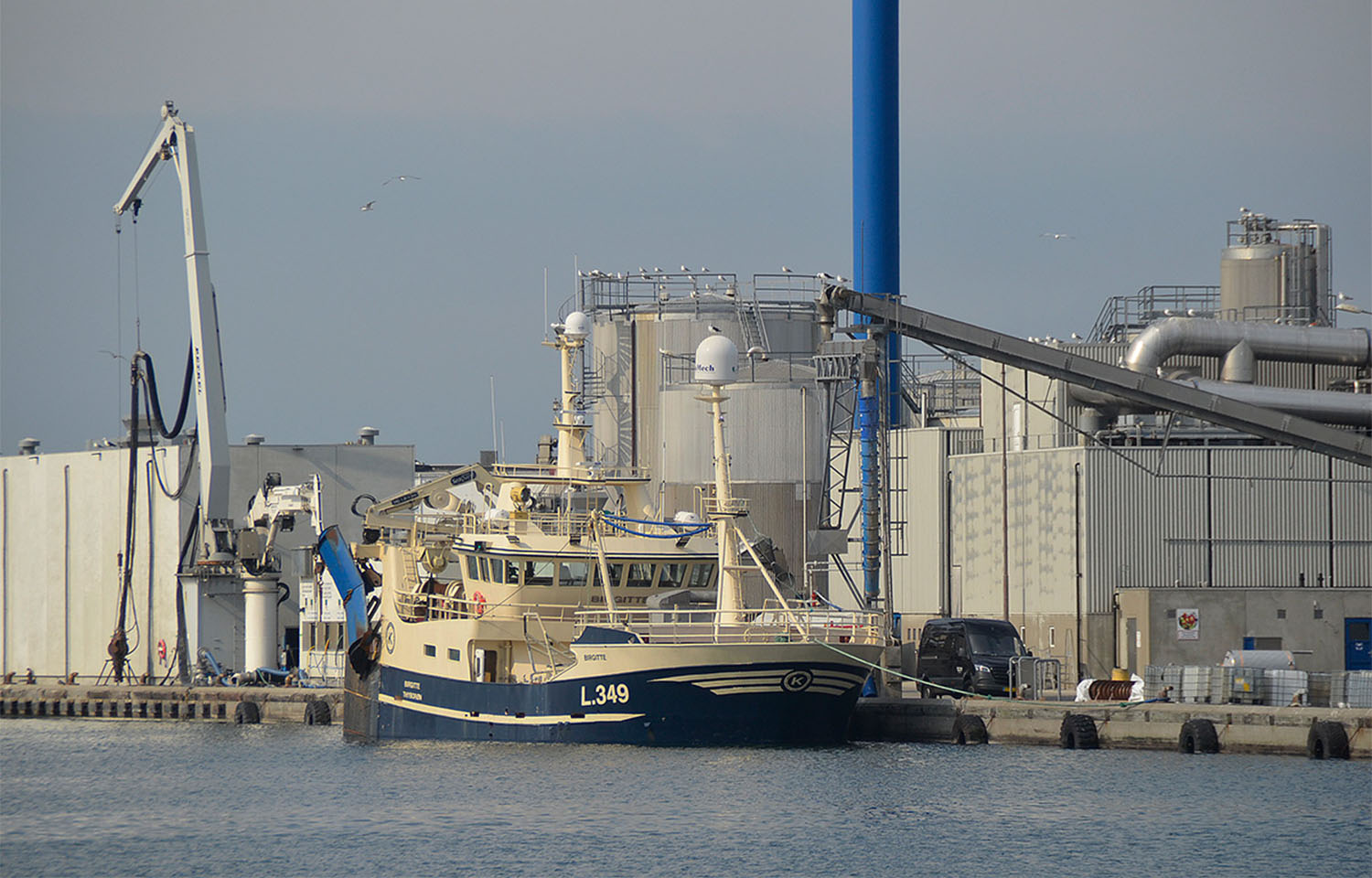
The European Commission reported Denmark’s largest fishing port, the Port of Skagen, is moving away from diesel-powered generators and converting to full electric power in a bid to reduce emissions.
Skagen represents more than half of all fisheries landings in Denmark, which in 2024 landed 13 percent of the E.U.’s fish by value. The port’s shore power, used for unloading large pelagic vessels, has historically used diesel generators.
“Vessels docking at the Port of Skagen require significant energy for unloading pelagic fish (such as herring, sprat and blue whiting), with operations lasting between 10 and 30 hours,” the commission said. “Traditionally these operations rely on diesel generators, significantly increasing energy consumption and emissions.”
According to the commission, the Port of Skagen has now launched a three-step process which will eliminate the need for the generators, reducing CO2 emissions and other pollution. The process will start with developing the shore power infrastructure, and then move to retrofit fishing vessels for power connections and to increasing grid capacity to enable the use of the new power source.
“The project’s success relies on the close cooperation between the Port of Skagen and the Danish Pelagic Producer Organization,” the commission said. “The port needed assurance that vessels would use the shore power infrastructure, while vessel owners required confidence in the port’s ability to provide reliable electricity.”
The commission said two vessels have already been retrofitted, and the feasibility of the project has already been ensured. Project organizers predict it will cut diesel use by 3 to 8 percent annually.
