


The Center for Biological Diversity and the Turtle Island Restoration Network have sued NOAA over its decision to exempt two fishing vessels from a prohibition against longline fishing off the U.S. state of California.
NOAA Fisheries banned longline fishing over 20 years ago, prohibiting the gear in swordfish and tuna fisheries along the West Coast of the U.S. out to a distance of 200 miles to protect loggerhead sea turtles. California law also bans the practice, and in both state and federal waters, the reason for the ban is to protect marine wildlife that could be affected by the gear used.
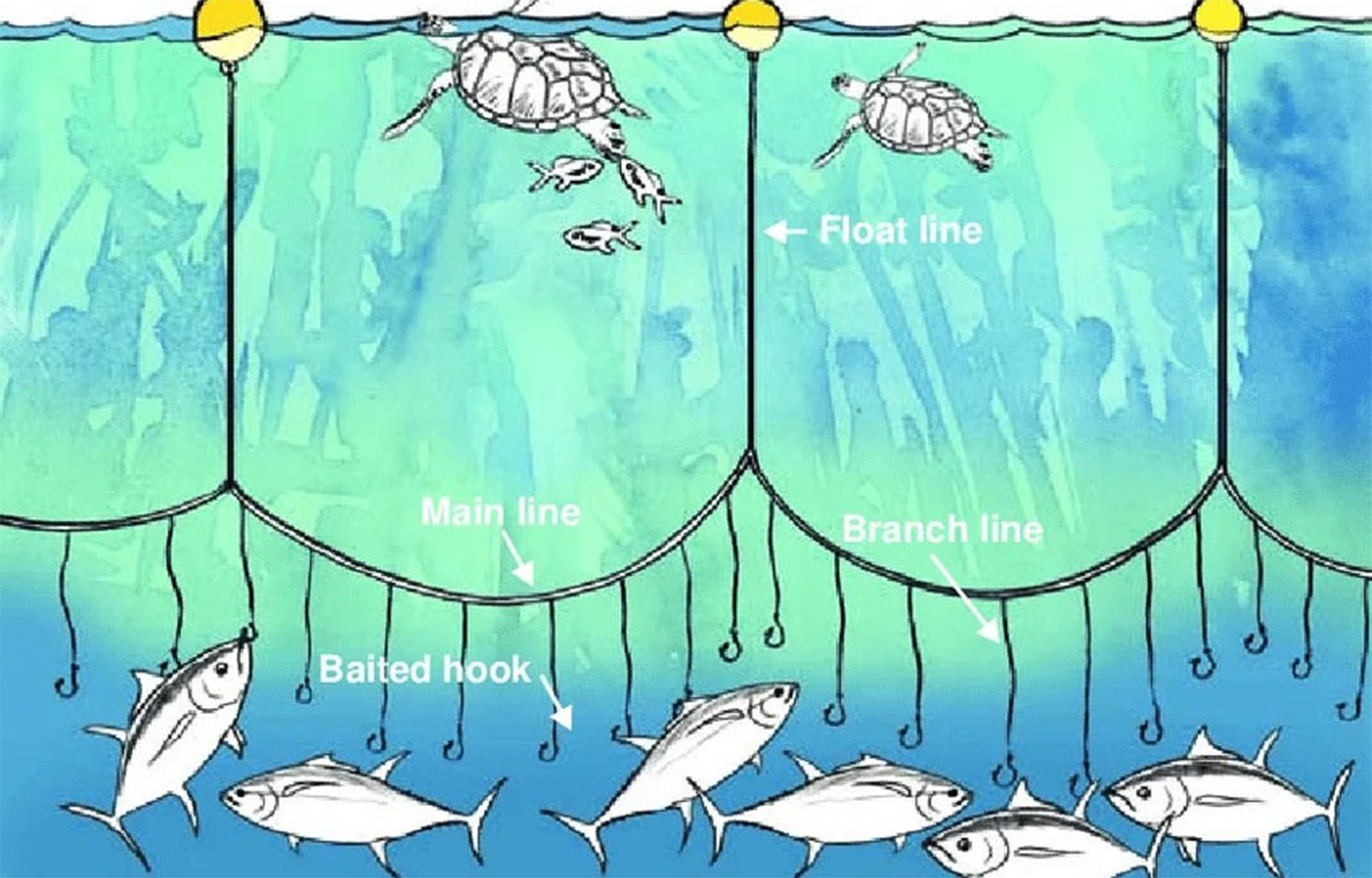
The lawsuit claims NOAA Fisheries permitted two vessels to resume the practice despite the earlier ban, in what it labeled the “West Coast Modified Longline” fishery. According to the lawsuit, the vessels were allowed to use deep-set or shallow-set longlines, with deep-set gear limited to 1,600 hooks or fewer.
According to the NGOs, the fishery poses the same risks it did when it was first banned in 2004 to protected species like leatherback sea turtles.
“The federal government banned longlining in California in 2004 to protect leatherback sea turtles, and they’re still teetering on the brink of extinction,” Turtle Island Restoration Network Ecologist and Founder Todd Steiner said. “There’s no scientific or moral justification for reopening this destructive fishery especially to catch swordfish laden with toxic mercury.”
The lawsuit, filed in the U.S. District Court in the Northen District of California, claims NOAA’s decision to permit boats in the use of longline gear violates the National Environmental Policy Act, the Coastal Zone Management Act, and the Marine Mammal Protection Act (MMPA). The two organizations claim the government did not fully disclose what harms the longline fishery could have to endangered and threatened animals in the region the vessels are permitted to fish.
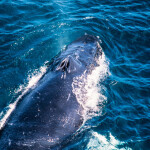
“The government knows longline fishing harms marine critters, but it approved these permits without taking a hard look at what was really happening in the water,” Center for Biological Diversity Senior Attorney Catherine Kilduff said in a release. “California’s endangered marine animals face even more threats because of the Trump administration’s unlawful permits. It would be tragic to injure or kill majestic ocean animals like leatherback sea turtles and humpback whales because officials are taking shortcuts to help revive a long-dormant fishery.”
This is not the first time the two organizations have sued the federal government over two vessels being permitted to use longline fishing off the coast of California.
In 2019, the two groups sued the previous administration of U.S. President Donald Trump over the exact same issue.
At that time, the groups made the same argument, pointing out the fishery could cause harm to Pacific leatherback turtles and that NOAA Fisheries did not comply with the Endangered Species Act when it approved permits to two fishing vessels using longline gear.
That lawsuit was ultimately successful, with U.S. courts declaring NOAA Fisheries failed to adequately analyze the fishery’s threat to endangered leatherback sea turtles when it granted the permits.
The California Pelagic Fisheries Association has pushed back in the past against increasing fishing restrictions, arguing both NOAA and the U.S. Department of Fish and Wildlife have overreached in the use of the MMPA and Endangered Species Act. It has advocated for U.S. fishermen, pointing out that the U.S. imports most of its seafood from those species, which often comes from regions with less stringent environmental standards.
