






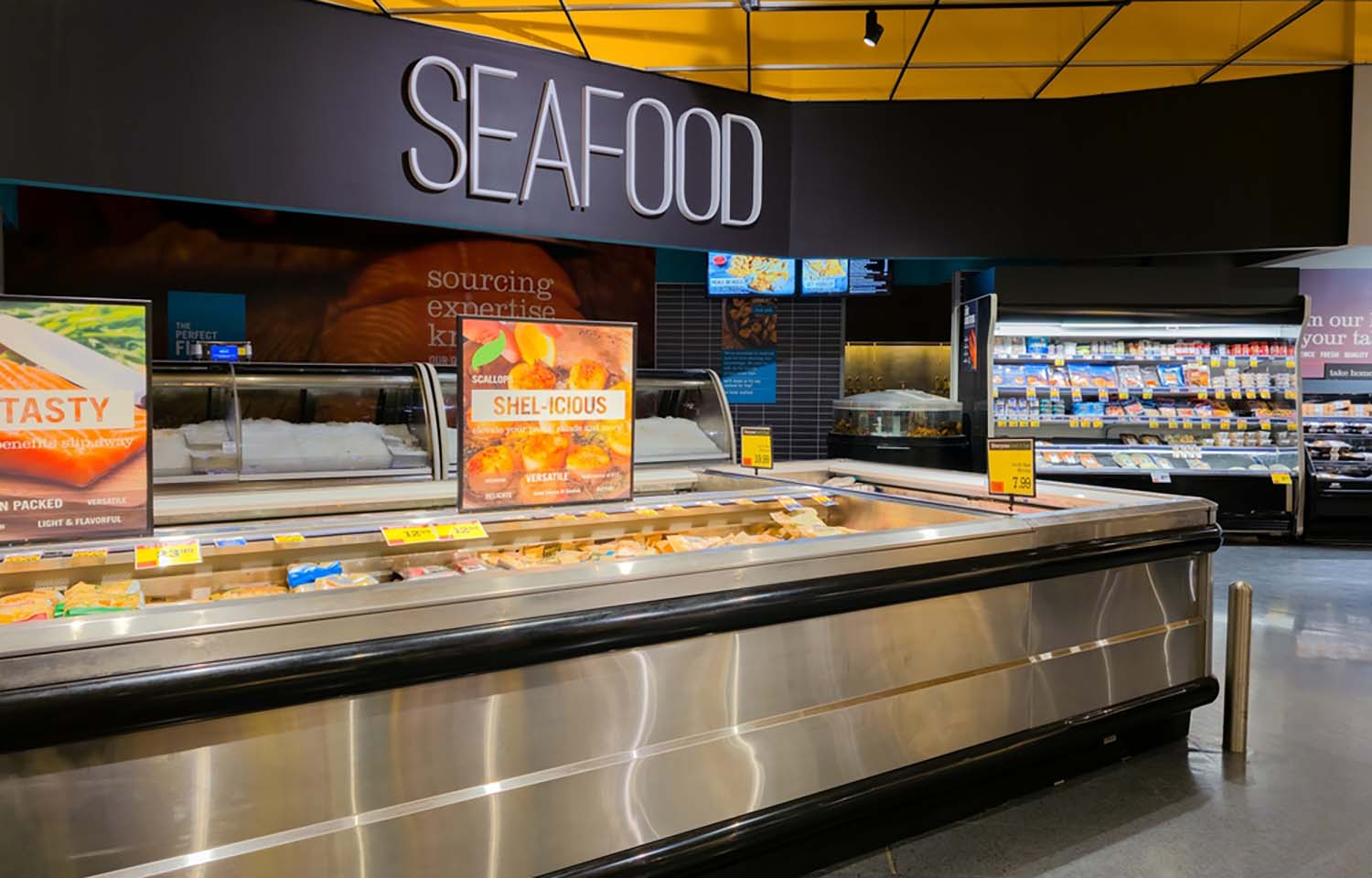
Deli-prepared and frozen seafood items have shown the biggest sales gains at U.S. retail stores to start 2024, according to the “Seafood in the US Retail Q1 2024” Elanco webinar on 2 May.
For the quarter ending 31 March, frozen seafood sales by volume rose 2.9 percent year over year across U.S. retailers, as prices in the category dropped 6.3 percent.
“I’m seeing multiple categories … where frozen is doing very well, and I think an important added factor is the increased focus on minimizing or avoiding food waste,” Roerink told SeafoodSource. “With frozen shrimp, cod, or salmon, it’s easy to take out the exact amount needed, when it’s needed.”
However, frozen sales by value declined 4.6 percent to USD 2.2 billion (EUR 2.1 billion), contributing to a trend seen across several seafood categories in Q1 2024. U.S. seafood sales at retail declined 4.2 percent year over year in the period, amounting to USD 8 billion (EUR 7.5 billion), while units dropped 2.4 percent compared to the same quarter in 2023, Roerink said, citing data from Chicago, Illinois, U.S.A.-based media company Circana.
Shelf-stable seafood sales rose 1.1 percent by value in the quarter, totaling USD 875 million (EUR 819 million), but sales by volume declined 5.2 percent, likely due to an average price hike of 1.3 percent in the category. Fresh seafood prices decreased 1.7 percent in the quarter, yet sales still dropped 6.2 percent by value to USD 2.1 billion (EUR 2 billion) and 4.2 percent by volume.
Even with fresh seafood prices dropping in the quarter, average prices remain high for consumers at around USD 9.40 (EUR 8.80) per pound, which is much higher than meat prices, according to Roerink.
“Affordability remains a big hurdle. While seafood prices have declined year over year – and never saw the high inflation that chicken, beef, and others experienced – the average cost per pound remains far higher,” Roerink said.
Declining rates of seafood purchasing frequency are also affecting U.S. fresh seafood sales, she said.
“When you don’t routinely buy items, you tend to forget about them. Think about picking up chicken breast or ground beef, for instance. Many people buy these items regardless of whether they have a specific meal in mind. That wouldn’t be the case for most seafood,” Roerink said.
Roerink said 43 percent of Americans purchased restaurant meals less often in the first quarter of the year, compared to just 18 percent who ate out more often, while home-prepared meals accounted for almost 80 percent of all meals eaten by U.S. consumers in Q1 2024. The trend led deli-prepared food sales at grocery stores to shoot up 4.3 percent year over year to USD 7.5 billion (EUR 7 billion).
This follows a larger trend seen over the past few years of ready-to-cook and fully cooked prepared seafood items growing in popularity, Roerink said. She specifically pointed toward such examples as cooked crawfish and shrimp packaged with boiled potatoes and broiled salmon meals with rice pilaf and vegetables that can be found within various U.S. grocery stores.
“Fewer restaurant trips means making special meals at home, [opening] the door to highlighting premium and chef-inspired meals,” Roerink said.
Roerink said the prepared sushi category continues to show great potential for growth, even with sushi sales declining 0.3 percent to USD 594 million (EUR 556 million).
“Sushi didn’t show the growth it had for many years, but is now a significant category, so we’re unlikely to see aggressive growth rates in the next few years,” Roerink said.
More seafood-focused retail promotions as the year moves along will also help the category, Roerink said. Total food and beverage spending on marketing promotions are below 2019 levels, but promotions on seafood have actually increased. In Q1 2024, 26 percent of fresh seafood was sold through a promotion, compared to 27.9 percent in 2023, 23.7 percent in 2022, and 24.5 percent in 2019. And 41 percent of frozen seafood was sold on promotion in the first quarter of this year, compared to 36.6 percent in 2023 and 27.2 percent in 2022, which helped contribute to its growth early in the year.
