







China’s rapidly expanding salmon market is being fueled by more than rising consumer affluence, as a developing ecosystem of sashimi processors, fresh-cut stores, e-commerce retail, and rapid delivery is making premium products increasingly accessible to consumers beyond China’s biggest cities, according to new analysis from the Norwegian Seafood Council (NSC).
China’s salmon imports grew by 50 percent in 2025 and increased by 43 percent in the first half of 2026, according to NSC’s data.
NSC suggested an important component of this growth is a change in the infrastructure through which consumers buy and eat salmon. In particular, the rapid development of specialist facilities preparing sashimi-grade salmon is helping shift the product from being primarily a restaurant experience toward an increasingly established part of Chinese home meals.
Further illustrating this development, the analysis explained that Chinese consumers can now order freshly prepared sashimi from certified factories and specialist fresh-cut stores – where salmon is sliced to order – before being dispatched through a highly developed delivery network.
NSC Country Director for China Sigmund Bjørgo said he has experienced the efficiency of the system firsthand, with salmon sashimi ordered to his apartment arriving within 25 minutes.
“In China, salmon equals sashimi – full stop,” Bjørgo said, pointing out that sushi, meanwhile, represents only a relatively small part of the salmon category.
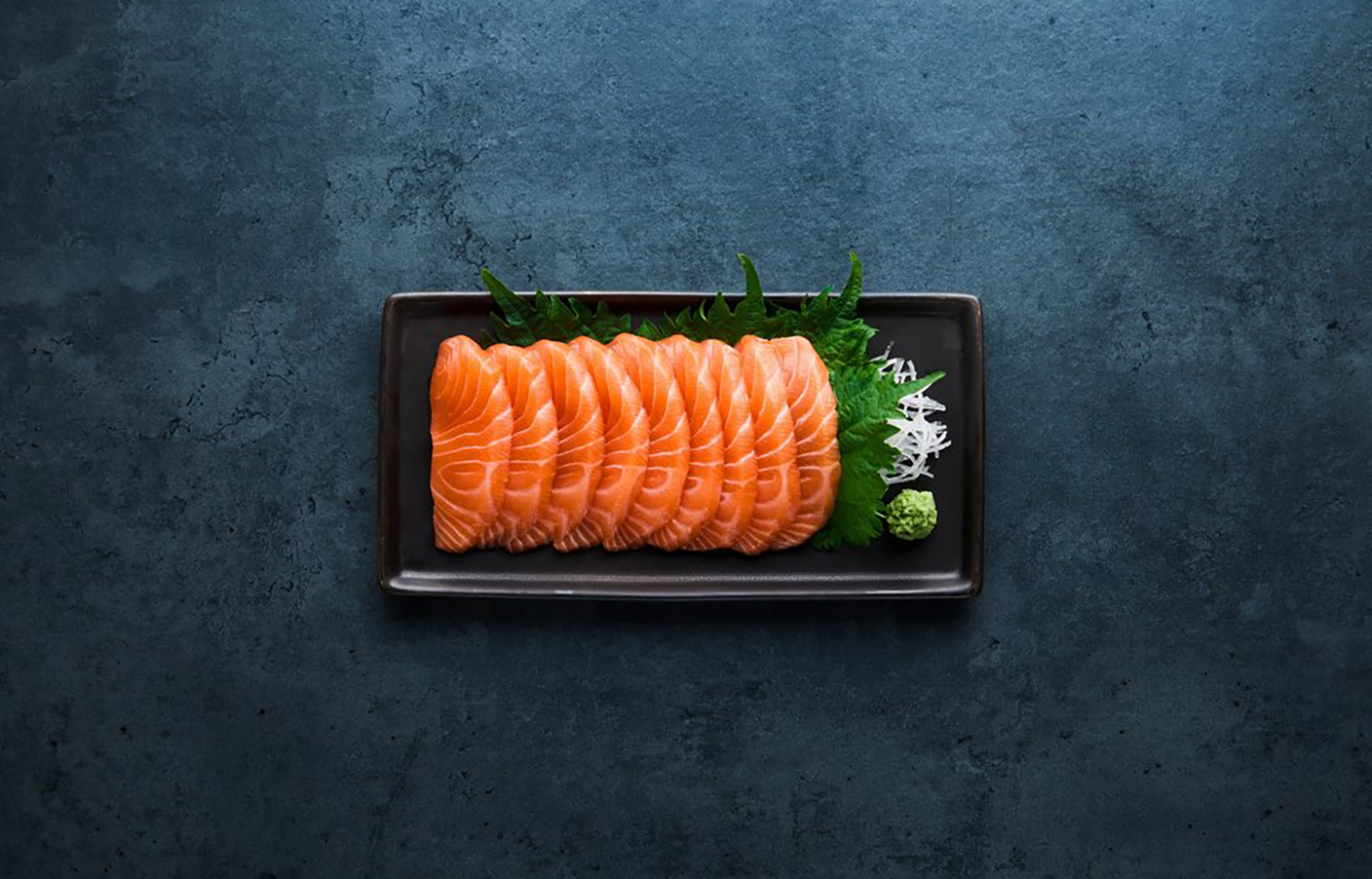
NSC estimates that around 25 percent of seafood consumers in China's most populated cities eat salmon sashimi at least once a week, compared with a global average of 13 percent.
Bjørgo told SeafoodSource that while it’s difficult to quantify the exact size of the current sashimi distribution network, it has significantly expanded beyond “tier-one” cities.
“There has been parallel growth in the facilities approved to prepare sashimi-grade salmon and in the consumer channels selling it, while evolving e-commerce and last-mile delivery mean that ordering sashimi can now be as easy in a tier-three city as it is in Shanghai,” he said. “These rapidly expanding tier-two and tier-three cities combine large and growing middle-class populations with sophisticated digital retail and delivery infrastructure – the conditions needed to make premium salmon sashimi an accessible everyday treat rather than an occasional restaurant purchase.
Bjørgo added that online shopping penetration across China is already above 80 percent, and with the growth of seven emerging new tier-one cities, this gives premium seafood brands a much broader potential consumer base.
“The pattern we are seeing is that the infrastructure needed to support tier-one-style salmon consumption is increasingly being replicated across China’s lower-tier cities,” he said.
Affluence, NSC’s analysis stated, remains the “biggest enabler” of seafood consumption in China. The council estimates the country's middle class has grown from around 300,000 people in 2000 to 184 million today – creating a “growing audience” for higher-value seafood.
Rising incomes aside, though, NSC pointed out that Chinese consumer willingness to purchase salmon as a premium sashimi product provides evidence the supply chain is delivering the freshness and quality that’s expected in the market.
With freshness being such an important purchase driver, Norwegian salmon has a “genuine logistical advantage” as it typically reaches China in around three to four days, Bjørgo said.
“But, consumers don't necessarily think in terms of air freight. They think about whether the salmon looks fresh on the shelf, whether they trust the retailer, how it is packaged, and most importantly – how fresh the product tastes when they dine,” he said. “That is where Norwegian provenance becomes particularly powerful. Two-thirds of consumers recognize Norway as a salmon-producing country, and 38 percent name it as a top-of-mind producer. Ultimately, freshness is an end-to-end experience. Norway's faster supply chain helps make that possible, but the consumer sees the outcome rather than the logistics behind it.”
Bjørgo said as these trends continue, consumption trends will shift, and the market will need to adapt in response.
“We expect the product mix to continue evolving as salmon becomes more of an everyday food at home. The market has already gone through significant upgrading, and retailers and processors will continue adapting their offer to consumer needs,” he said.
In this regard, smaller, meal-specific portions represent a big opportunity, he said.
“China’s single-person household population is projected to reach 133 million by 2050, and our shopper research shows consumers are concerned about leftovers and often prefer to buy fish on the day they plan to eat it. That creates potential for smaller portions, pre-sliced and semi-processed products and packaging designed around convenience,” Bjørgo said.
Nevertheless, convenience must continue to align with visible freshness, he stressed.
“The more processed a product looks, the harder it can be for consumers to judge its quality. So, the opportunity for exporters and processors isn't simply to process more; it is to develop formats that make salmon easier to buy, prepare, and consume while still giving consumers confidence in what they are buying,” Bjørgo said.
