


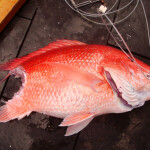


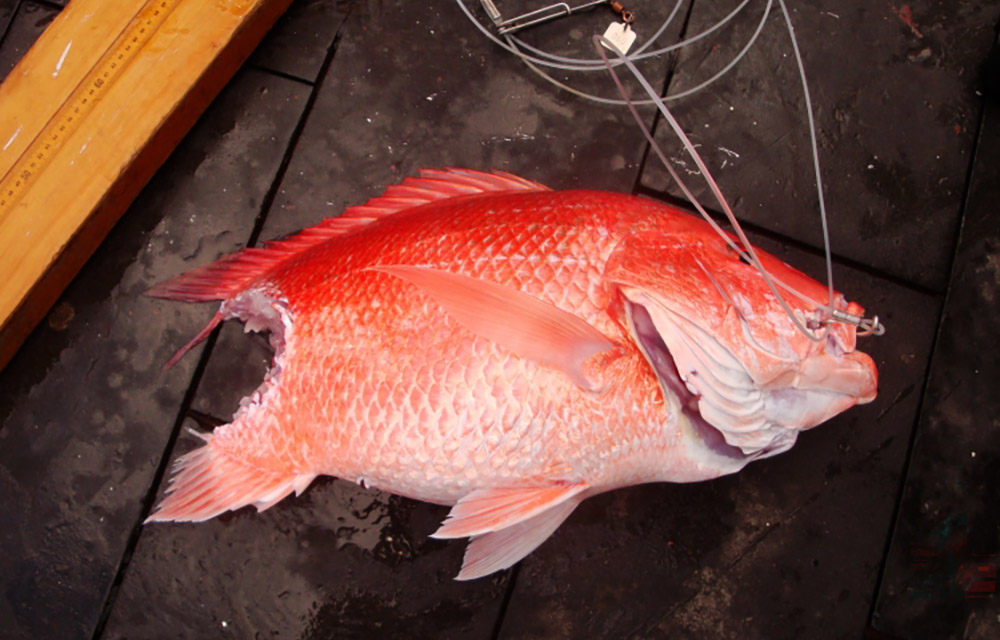
A NOAA Fisheries analysis shows increased depredation by sharks in the Gulf of Mexico and the Southeast Atlantic.
The analysis looked at data from the Southeast Fisheries Science Center’s Bottom Longline Survey, which focuses on sharks, red snapper, yellowedge and red grouper, and golden tilefish from Brownsville, Texas, to Cape Hatteras, North Carolina.
Starting in 2005, the survey began collecting data on depredation, such as whether depredation was occurring, what species was preying on hooked catch, what species was on the hook, and environmental variables.
“When I first started at NOAA, I wondered what we might expect to see as populations of large sharks recovered from historically depleted levels. Increased interactions with fisheries – like depredation – seemed like a logical consequence,” Southeast Fisheries Science Center fisheries biologist William Driggers said in a release. “We didn't know exactly what the future would look like, but we recognized the value of beginning to collect the data to describe it. Twenty years later, this standardized record allows us to examine how depredation has changed, which species are responsible, and what may be driving those changes.”
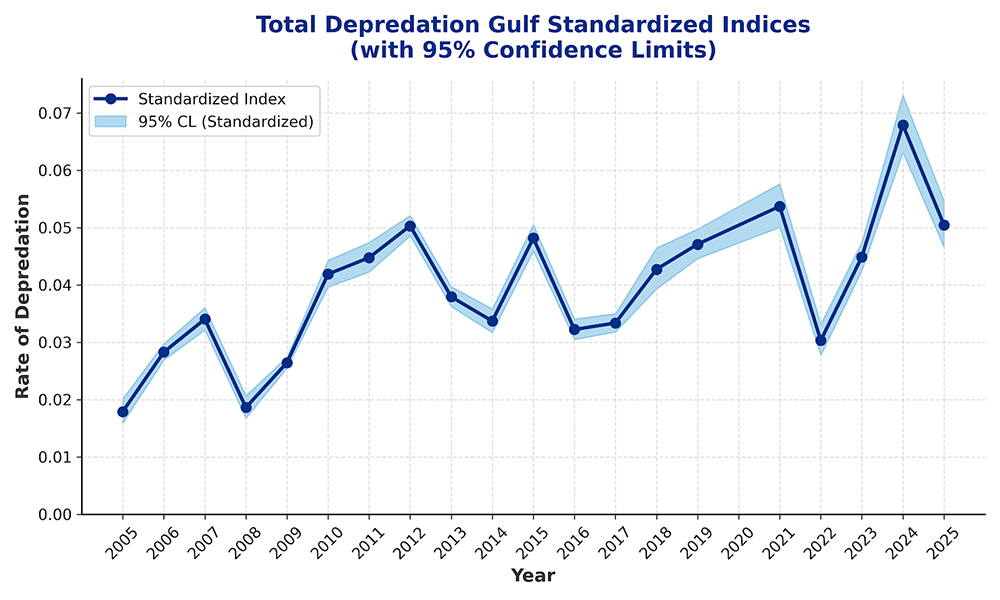
Now, with 20 years of data from 2,846 survey longline sets and 27,001 captured fish assessed for depredation, Driggers and fellow NOAA Fisheries biologist Walter Ingram were able to look through that data to identify any trends in depredation. According to their analysis, depredation rates tripled over the last two decades, with scientists reporting 1,508 verified depredation events. The rate of depredation rose from just under 2 percent to nearly 7 percent in 2024 before dropping to around 5 percent in 2025.
Sharks were responsible for 99 percent of recorded depredation events where the predator could be identified, with the most common species being sandbar sharks, blacktip sharks, bull sharks, and tiger sharks.
According to NOAA Fisheries, research suggests multiple possible reasons for the growing level of depredation, including increased shark abundance, more anglers on the water, and, possibly, learned behavior.
In July, the administration of U.S. President Donald Trump tasked the South Atlantic Fishery Management Council with addressing shark depredation as part of its wishlists sent to the regional fishery management councils. U.S. lawmakers have also introduced legislation to address depredation, including the Supporting the Health of Aquatic systems through Research, Knowledge, and Enhanced Dialogue (SHARKED) Act and the Florida Safe Seas Act.
