


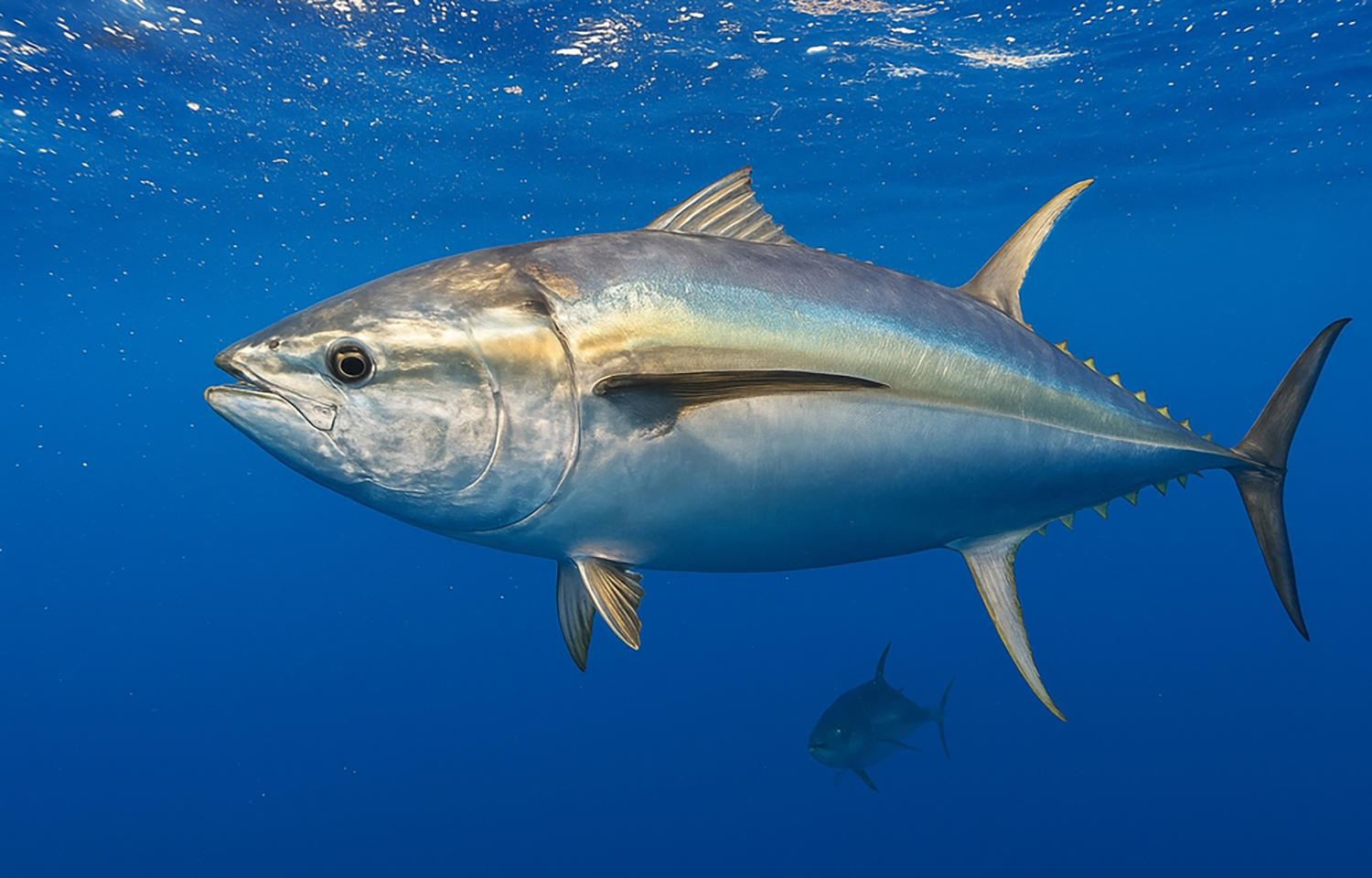
Partners behind the ITUNNES research project have asked the European Commission for assistance in sustaining the project’s biological sampling network and maintaining the data tools it has developed to improve tropical tuna stock assessments.
The request follows the conclusion of the two-year project, which was funded by the E.U. and aimed to generate more accurate scientific evidence for use in the management of yellowfin, skipjack, and bigeye tuna in the Atlantic and Indian oceans.
“The partners have presented the outcomes of the project to the E.U. Commission and requested adequate actions and funding to maintain the network, continue collecting biological samples, and keep the app and databases updated,” Europêche Tuna Group Director Anne-France Mattlet told SeafoodSource, adding that the consortium has proposed integrating the work into existing data collection frameworks and is awaiting a response.
Coordinated by Spanish research center AZTI, ITUNNES brought together European scientific institutions, regional fisheries authorities, and the fishing industry, alongside associated partners in Côte d’Ivoire and the United States.
The project established an international biological sampling network using standardized protocols and coordinated sampling, generating information on key parameters including age and growth, reproduction, trophic ecology, and population structure. Its work has also included the creation of shared databases, a sampling strategy and protocol, capacity-building activities, and a policy brief outlining recommendations for future data collection.
A key deliverable for the project was the BioTuna Shiny App, developed to facilitate easy access to the biological information generated through the project.
All of the project’s work was intended to support stock assessments undertaken through regional fisheries management organizations (RFMOs), including the International Commission for the Conservation of Atlantic Tunas (ICCAT) and the Indian Ocean Tuna Commission (IOTC).
Mattlet said ITUNNES results had already begun to be presented at ICCAT and IOTC working groups and workshops.
According to Mattlet, the project’s impact would become apparent as the findings, as well as any follow-up work, were progressively incorporated into stock assessments alongside existing scientific data.
“ITUNNES demonstrates the value of bringing science, industry, and international partners together around common objectives and standardized approaches,” Mattlet said in the project’s initial announcement. “The knowledge generated through the project will contribute to strengthening tropical tuna stock assessments and supporting science-based fisheries management.”
The consortium held its final meeting in Brussels on 13 October, presenting its results and recommendations to European Commission representatives the following day. The group also discussed its findings with industry representatives and NGO stakeholders at the Long Distance Advisory Council (LDAC).
Maintaining the ITUNNES sampling network, continuing biological monitoring, strengthening international cooperation, and ensuring that data systems remain compatible are now among the project’s top priorities as it fully wraps up.
Project Coordinator Iker Zudaire Balerdi said the conclusion of ITUNNES represented an opportunity to build on the network, knowledge, and tools developed and that maintaining the cooperation between scientists, industry, and international partners will be essential to ensure that future fisheries management decisions continue to rely on robust and comparable scientific information.
