






South Africa has revived legislation, which fell into governmental limbo nearly five years ago, that aims to support an ambitious aquaculture sector expansion under the government’s National Development Plan – an economic blueprint meant to limit poverty and inequality in the country by 2030.
On 13 September, South Africa’s government approved the publication of the delayed bill for public comment in a government bid to pull the legislation out of limbo.
“The purpose of the [Draft Aquaculture Development] Bill is to promote the development of a responsible aquaculture sector for meaningful contribution to food security and economic development for the country; support greater participation of small businesses, especially those owned by women and youth; and promote the transformation of the aquaculture sector,” Minister in the Presidency Khumbudzo Ntshavheni said.
Reviving the draft bill, which the government first approved for introduction into parliament in 2018, signals a fresh push by South Africa to pursue initiatives identified by a team of stakeholders from the government, seafood industry, and private sector as necessary if nationwide production is to grow to 20,000 metric tons (MT), increase sector-wide annual revenues to ZAR 3 billion (USD 156.5 million EUR 147.8 million), and create at least 15,000 jobs by 2030, all of which are stated goals.
Currently, the legislative framework governing aquaculture activities in the country is fragmented and regulated by various departments, according to the Eastern Cape Socioeconomic Consultative Council.
The draft bill is part of wider legislative reform that aims to “amend legislation to streamline the assortment of existing regulations and create an enabling environment to promote aquaculture sector growth,” the Council says.
The country’s Department of Environment, Forestry, and Fisheries, in collaboration with members of the private sector, have identified 45 aquaculture projects under the Operation Phakisa initiative – a 2014 initiative by the government to fast-track implementation of development programs – that could help the country achieve its expansion goals by 2030, with the proposed legislation expected to support their actualization.
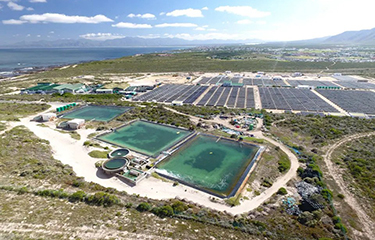
Twenty-eight of these projects include the production of farmed species, with one such example being the Northern Cape Abalone Hatchery, which “shows significant potential to foster the growth of aquaculture in the province,” according to the Phakisa report. Feasibility studies have already concluded for hatchery projects in the Northern and Eastern Cape.
Some of the legislative changes proposed in the draft bill include the establishment of a regulatory authority to handle all the licensing and permits in the aquaculture sector. The authority is expected to issue permits for all imports, exports, and movement of aquaculture organisms and products, streamlining the current process. Furthermore, the bill aims to establish a new national reference laboratory for both aquatic animal diseases and aquaculture foods safety.
The new law also supports the creation of an aquaculture development fund at the national and provincial levels to support fish-farming projects across South Africa, which often run into problems generating funding to alleviate problems such as road repair, poaching, coastal water quality, and securing leases and authorizations in a swift manner.
It also proposes the establishment of aquaculture development zones across South Africa, as well as national and provincial aquaculture information systems that should help guarantee digitized efficiency of the sector.
After the conclusion of public scrutiny and comments, the draft bill will go back to the National Assembly for further debate and necessary amendments – if any – before members vote upon it. If approved by the National Assembly, it will then go to provincial national assemblies for concurrence before the president signs it into law.
South Africa’s aquaculture production increased from 6,730 MT in 2015 to 9,753 MT in 2020, according to the Food and Agriculture Organization (FAO). With South Africa’s population expected to reach nearly 66 million by 2030 – up from 59 million in 2020 – the country would need to continue expanding its aquaculture efforts if it is to maintain its per-capita fish consumption of 6.44 kilograms while avoiding reliance on imports.
In 2014, aquaculture was defined as one of six critical ocean economy sectors with the potential to spur South Africa’s economic growth – even before the bill's first draft. The other ocean sectors comprise marine transport and manufacturing, offshore oil and gas exploration, marine protection services, small harbor development, and coastal and marine tourism.
Photo courtesy of Aqunion
