






A study of seafood consumers by La Asociación de Fabricantes y Distribuidores (AECOC) – a Spanish association with thousands of member companies across multiple sectors, including seafood – has revealed the ongoing challenges the sector faces in the face of inflation. The study also offers suggestions on how seafood can be better marketed to consumers.
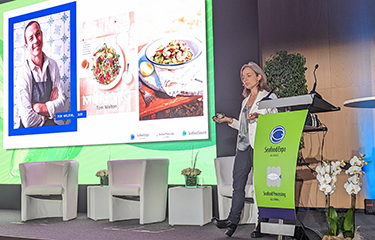
Part of the study's findings were presented at Seafood Expo Global, which took place from 25 to 27 April in Barcelona Spain. The session, “Seafood Consumer & Retail Trends,” gave a snapshot of some of the information in the report, which gathered data from over 1,000 member-companies in different countries.
AECOC Seafood Sector Head Angels Segura said the seafood industry faces many large challenges this year. Seafood consumption trends are being affected by inflationary pressures on family budgets, causing shifts in purchasing.
“The food basket is being affected, the consumption habits are being affected, and among the fresh products seafood is very much affected because of the high perception of price for these products,” Segura said.
While the specific trends vary from country to country, around the globe, fresh seafood is not selling as well as it was in prior years. However, value-added products and frozen products are seeing better results than fresh seafood.
Underpinning the trend, Segura said, is a continued disconnect between consumers and the seafood products available to them.
“We have many challenges in this category,” she said. “We have a high perception of a high price, more nowadays because of inflation. We have a lack of knowledge about this product – we don’t know about species, we don’t know about fisheries or aquaculture, we don’t know how to cook, how to prepare, and how to buy seafood. There is this feeling of inconvenience.”
As the world moves past the Covid-19 pandemic and people’s lives continue to get busier, convenience is an important factor for consumers, making those knowledge gaps a significant barrier to selling more seafood, according to Segura.
Through its research, AECOC found a huge range of ways that many retailers and marketers are overcoming some of those knowledge barriers and perceptions of unaffordability or inconvenience, Segura said.
Separately, a retailer in Norway offers a 30 percent discount on fresh fish on Tuesdays, with occasional added incentives and educational materials on offer for buyers.
One retailer found a deceptively simple way of enhancing customer experiences at the fresh seafood counter: It put illustrations of the fish species next to every fillet or portion of the fish in the display.
“We can have seafood counters with lots of fillets, which no one knows which fish they come from,” Segura said. Individual fillets of fish often look similar to one another at a counter, and an inexperienced consumer might be intimidated by the variety if they can’t tell what they’re buying.
“Just by these little illustrations, it allows companies and consumers to know which fish that they come from, and it is something that helps the perception of seafood," Segura said.
The industry should also take note of innovators in the field, particularly chefs and fishmongers, Segura said. Presentation of seafood is often lacking compared to other species sold at retail, but young entrepreneurs are showing how that can be changed.
John Niland runs the Fish Butchery, a fishmonger in Sydney, Australia that presents seafood in ways more akin to how traditional meat like beef or pork is displayed.
“He’s defining a new way to cook and to make different recipes for seafood,” Segura said. “The good thing is that in his fishmongers shop, their way of presenting the product is completely different – it’s more modern, it’s more tasty, more desirable, for young people.”
Another fishmonger in Portugal is making it easier for consumers to purchase fish by having an extremely experienced staffof former professional chefs on hand to answer customer questions, AECOC found.
“They try to make seafood easier for consumers,” Segura said. “What they do is they do a lot of training and workshops to show people easier ways to consume seafood.”
The report has dozens of more examples of retailers and fishmongers finding new ways to communicate how to cook and shop for seafood.
“We have to make this engagement with seafood, we have to make it fancy, attractive, easy, inspiring, and more accessible,” Segura said.
SeafoodSource will be the exclusive source for the full AECOC report, which will be available later in 2023.
Photo by Chris Chase/SeafoodSource
