


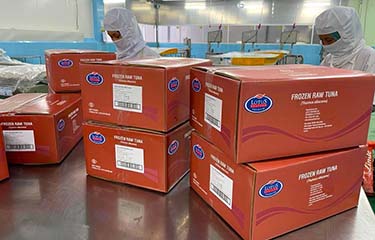
Oceanside, California, U.S.A.-based Lotus Seafood is opening a new processing plant in Indonesia that will implement a proprietary treatment for tuna that enhances coloration without the use of carbon monoxide (CO).
Because it can hide degradation of fish quality, CO-treated tuna is banned by Japan, the E.U., and Canada, though it is still allowed in the United States.
“It’s just a question of two years or five years of when it will be shut down in the U.S.,” Lotus Seafood CEO Nick Ovchinnikov told SeafoodSource at the 2023 Seafood Expo North America. “The industry is struggling to find an alternative, because if you don’t treat it, it can lose its appeal, especially in sashimi presentations.”
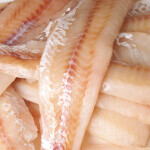
The treatment process, which was invented in Japan and tweaked over the past three years by Lotus, involves the use of vitamins and antioxidants, including vitamin C. Besides enhancing coloration, it also preserves flavor, according to Ovchinnikov.
“The treatment preserves the natural color of tuna perfectly, and it’s stable after freezing and after thawing,” Ovchinnikov said.
Ovchinnikov said Lotus is one of the top five tuna importers to the U.S., and one of the only U.S. tuna importers that does not use CO-tuna, according to Ovchinnikov. It had around USD 100 million (EUR 92 million) in U.S. sales in 2021 and counts major retail and foodservice accounts nationwide as buyers.
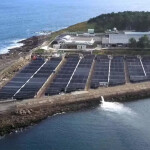
Built with a local partner, the company’s new oceanside processing plant in Papua, Indonesia, cost USD 10 million (EUR 9.2 million) and will have an annually capacity in excess of 10 million pounds, with treated tuna products accounting for 90 percent of its output. It will serve retail and foodservice companies worldwide, but with a focus on the U.S.
Ovchinnikov also opened a second processing plant in the U.S. under the banner of his other company, Paradox Foods. The highly automated, high-capacity plant is capable of producing various grain meals for retail and foodservice will include rice and grain blended with vegetables and proteins including chicken, shrimp, fish, and plant-based proteins.
The plant-based food company processes grains and vegetables for value-added products. It is capable of doing cooking, freezing, bagging, and palletizing, and has a capacity of 18,000 pounds per hour, and 60 million pounds annually. It is capable of doing cooking, freezing, bagging, and palletizing, and has a capacity of 15,000 pounds per hour, and 60 million pounds annually. The facility is equipped with full automation that will require just eight employees working on the plant floor, and another eight in administration.
“I love food processing and my passion is value-added,” Ovchinnikov said. “These facilities provide so much opportunity.”
Photo courtesy of Lotus Seafood
