


Crabbers based in Washington state and represented by the New Civil Liberties Alliance (NCLA) have pushed for a motion of summary judgment in their lawsuit against the state's crabbing regulations.
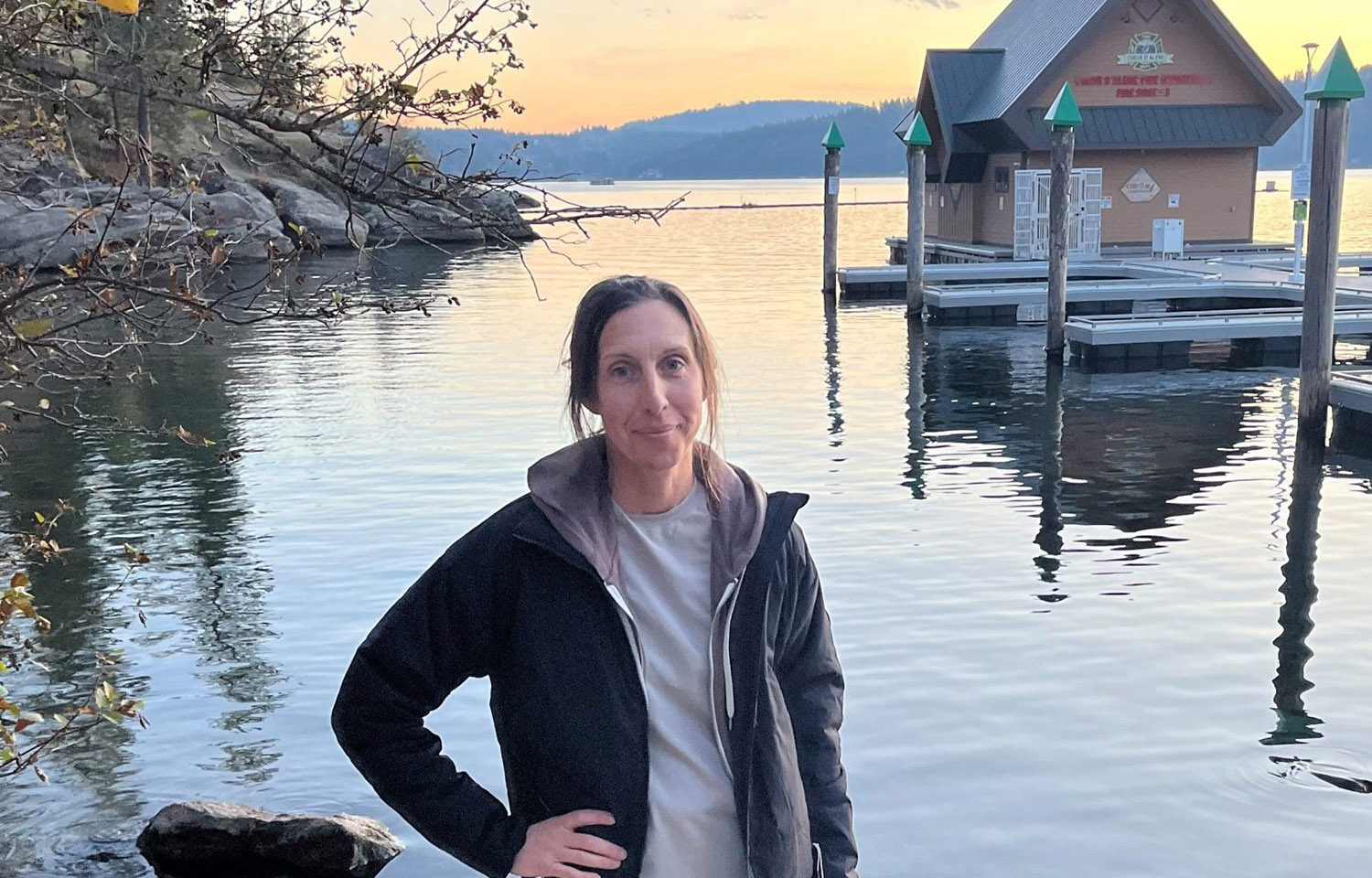
A group of crabbers, Sara Franey, Brent Young, and Mark Young, sued the Washington Department of Fish and Wildlife (WDFW) over its uses of electronic monitoring in the state’s Dungeness crab fishery. The group argue that the regulations are overstepping the crabbers’ constitutional rights by requiring constant location updates.
In the latest filing in the lawsuit, lawyers with NCLA are calling on the court system to declare the electronic monitoring program illegal.
“The crabbers of Washington state do not give up their rights against unlawful search and seizure merely because they decide on the lawful pursuit of harvesting crabs,” NCLA Senior Litigation Counsel John Vecchione said in a release.
At issue is the use of GPS data, which the lawsuit claims forces the crab fishermen to constantly update the state on their movements, allegedly violating the Fourth Amendment of the U.S. Constitution along with the Washington State Constitution, which also prohibits warrantless searches.
“Imagine the Framers’ reaction to the way today’s governments, theoretically subject to the Constitution, constantly surveil their residents. Intuitively and legally, such general surveillance is not a legitimate government activity,” NCLA General Counsel and Senior Litigation Counsel Zhonette Brown said.
The lawsuit cites two existing rulings by the U.S. Supreme Court which have outlawed location tracking through the occupation of private property and guaranteed a “reasonable expectation of privacy,” which prohibits long-term warrantless tracking.
“The EM Program also compels Plaintiffs to purchase, install, and maintain the very devices used to conduct this surveillance, despite the absence of any statutory authority to do so,” the lawsuit states. “WDFW cannot show that continuous GPS surveillance is necessary to achieve any legitimate conservation objective.”
WFDW’s rule states it is designed to enable the timely collection of fishing information, enhances its ability to ensure that fishing is not occurring with closed areas, and ensures that participants are not fishing prior to the opening of the season.
NCLA claims the program provides nearly no benefit to regulatory goals and that the WDFW should not be allowed to force crabbers to pay for equipment that also violates their rights.
“It also takes hard-earned money out of the crab fishermen’s pockets by requiring them to pay for the electronic monitoring systems and its upkeep on their vessels, despite the program failing to help the government track crab populations or protect wildlife more effectively than it already does,” NCLA said.
The NCLA has already successfully challenged GPS monitoring rules that apply to fisheries. It previously challenged a NOAA Fisheries rule requiring constant GPS monitoring of Gulf of Mexico charter boats, which was also brought against the agency on Fourth Amendment grounds. The U.S. court of Appeals for the Fifth Circuit ruled in February 2023 that the 24/7 GPS monitoring of more than 1,300 charter boats was likely in violation of the amendment.
Since that ruling, the U.S. Supreme Court overturned the longstanding Chevron deference in a case that was also intended to address surveillance of fishing vessels. The case, Loper Bright v. Raimondo, was filed by New Jersey fishermen who were pushing back against having to pay for observer coverage of their fishing vessels – a ruling NCLA Senior Litigation Counsel John Vecchione said was “long overdue.”
