





China has retained cuts made in 2023 to tariffs on imported seafood products as it seeks to diversify and deepen its food sources.
China’s government announced provisional rates introduced in 2023 on several seafood categories will remain in place through 2024, including a 7 percent tariff on imported Atlantic salmon and a drop from 7 percent to 2 percent on frozen cod and pollock.
A more affluent, urban population is driving up China’s imports of premium seafood. The country’s overall food self-sufficiency level nosedived from 93.6 percent in 2000 to 65.8 percent in 2020 as imports soared, according to a report published by the Council on Foreign Relations.
The country introduced updates on provisional tariffs – lower than “most favored nation” rates – on 1,010 goods commencing 1 January 2024, with state-owned media presenting the reductions as proof of China’s willingness to open its markets. However, outlets omitted mention of the fact that most of the goods are products in which the country faces shortages, such as minerals, pharmaceuticals, and foodstuffs. China retains comparatively high tariffs on manufactured goods that it exports.
At the 2021 meeting of the Forum on China-Africa Cooperation, China President Xi Jinping vowed to remove import duties on 98 percent of goods from 21 African countries, the bulk of which comprise primary goods, including agricultural and fish products.
While Brazil displaced the U.S. in 2021 as the key source of China’s food imports, American sales to Chinese buyers have soared in the past decade, driven by beef, poultry, corn, and soy shipments. Shipments of American seafood, however, have fallen 17 percent between 2012 and 2022.
The continuous spike in imports is best evidenced by new trade deals with countries that could potentially supply China with food products, including a free trade agreement with Nicaragua that came into force at the start of 2024 and a separate deal with Ecuador signed in May 2023. China has signed few such deals with nations that have exports consisting mostly of manufactured goods.
Xie Zhongmin, the deputy head of research at the Chinese Agriculture Ministry’s Agriculture Trade Promotion Centre, said at a conference co-organized by the China office of the Global Seafood Alliance in late 2023 that the country’s seafood imports are set to expand further. A “structural gap” in supply and demand, as well as lower tariffs, are driving China’s demand for imported seafood, while China had cut tariffs for “high-value” seafood products in order to increase supply, Xie said.
China’s overall seafood trade expanded from USD 28.8 billion (EUR 27.1 billion) in 2013 to USD 46.7 billion (EUR 43.8 billion) in 2022. But, a seafood trade surplus of USD 12.5 billion (EUR 11.7 billion) in 2014 has flipped to a deficit of USD 2.1 billion (EUR 1.97 billion) for the first half of 2023, Xie said. China’s imports grew an average 10.5 percent per year in the period between 2012 and 2017, according to Rabobank, while its exports grew by an average 1.8 percent per year in that time frame.
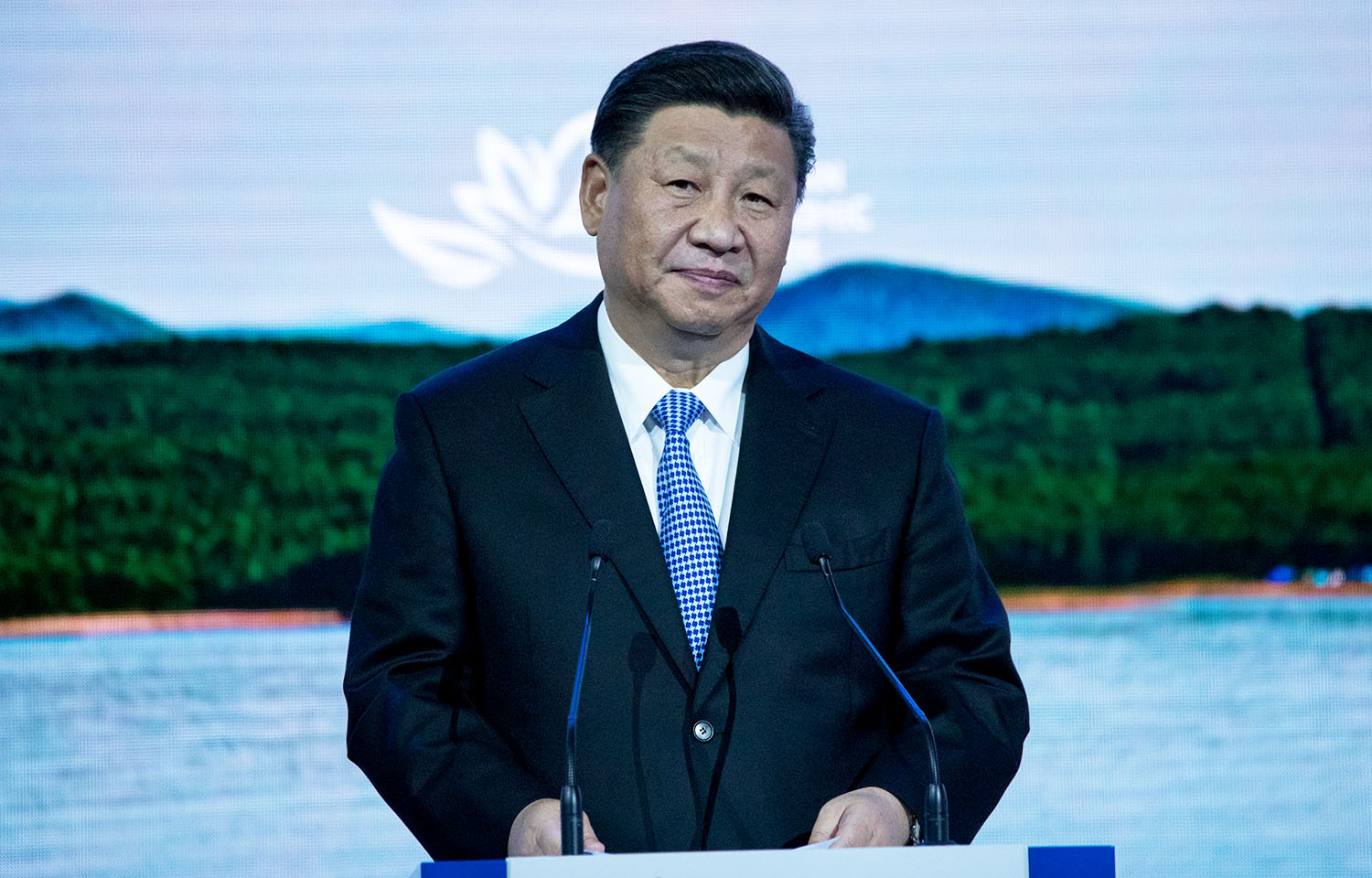
Photo courtesy of Alexander Khitrov/Shutterstock
