






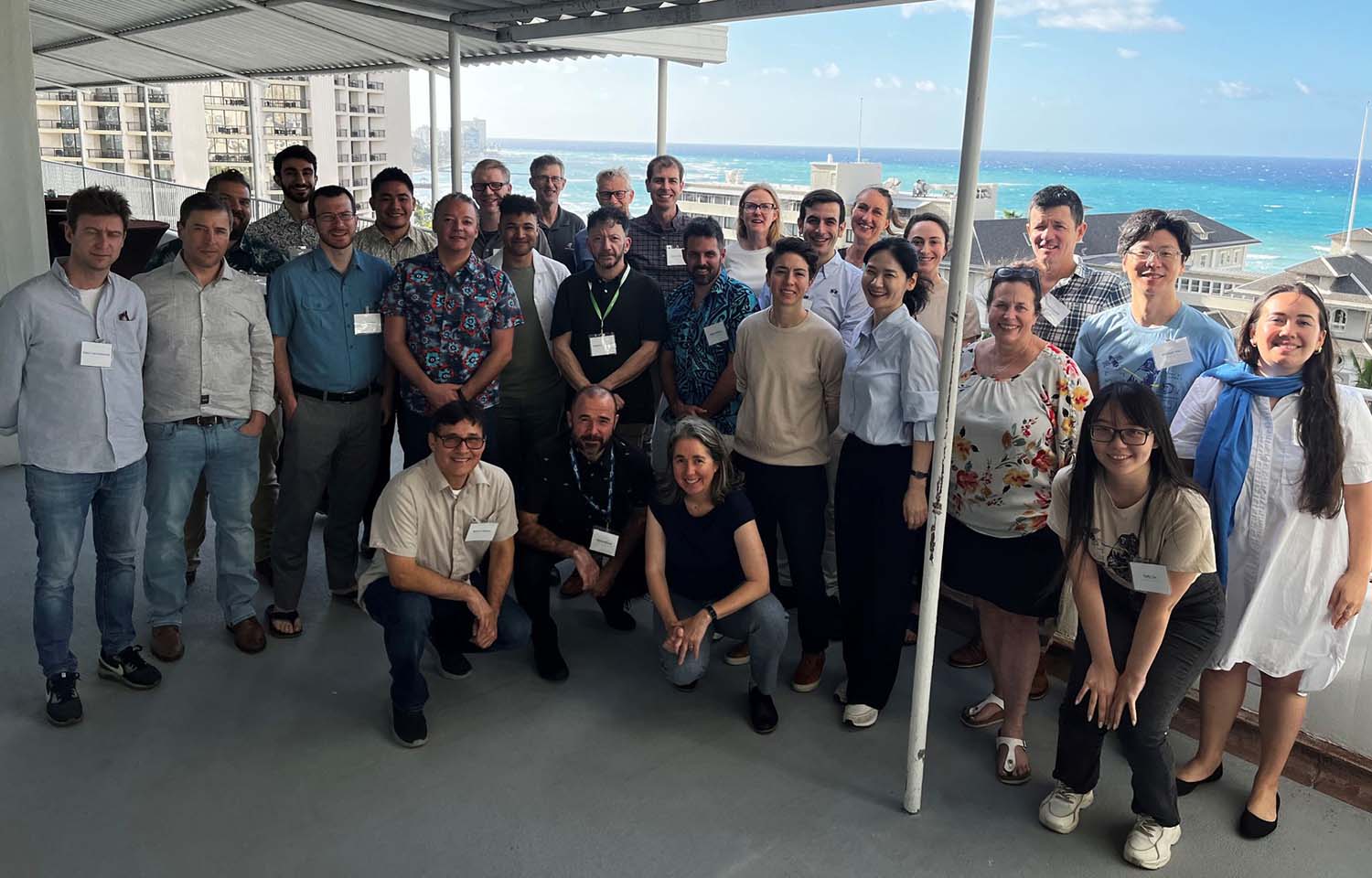
The Pew Charitable Trusts, a U.S.-based nonprofit with a conservation arm aimed at minimizing the consequences of overfishing, pollution, warming waters, and habitat loss, hosted the second Global Artificial Intelligence in Fisheries Monitoring Summit earlier this year in Honolulu, Hawaii, U.S.A.
The summit’s focus expanded from its first iteration, which discussed how to effectively introduce AI technology to fisheries, by considering the obstacles involved in developing the technology and preventing unintended consequences from its implementation, Pew Charitable Trusts International Fisheries Senior Associate Raiana McKinney said.
“While the first summit was largely exploratory, offering participants the opportunity to understand wider applications of AI, the second summit was focused on more practical results and implications of applying the technology,” McKinney said.
The sector is gaining momentum quickly, even since the first summit in January 2023, McKinney said, requiring discussions like the summit to ensure fisheries implement the technology properly.
The Indian Ocean Tuna Commission (IOTC) became the first regional fisheries management organization (RFMO) to adopt electronic monitoring (EM) standards in May 2023. Following suit, the International Commission for the Conservation of Atlantic Tunas (ICCAT) adopted a minimum set of standards for EM use within purse seine and longline fisheries in November 2023.
“EM has quickly evolved and scaled beyond pilot projects and across the high seas,” McKinney said.
A primary factor leading fisheries toward the adoption of automation through AI or machine learning (ML) is a reduction in the time and cost of data-review processes, especially as countries and RFMOs commit themselves to employ various levels of EM, McKinney said.
“With fleets producing a wider amount of data for review, there was more of a sense of urgency on things like human impacts, data privacy, open data sharing, and its potential obstacles. Effective fisheries management requires transparency, which means lots of data needing adequate review,” McKinney said.
Specifically, AI can create in-depth training sets and further propel ongoing work regarding species identification; size estimations; and interactions with endangered, threatened, or protected species like sharks.
“However, like with many emerging technologies, initial investment in, and adoption of, ML and AI for fisheries management has been slow due to a lack of experience and understanding by managers, scientists, and government officials and the currently unmet need for targeted policies and procedures at the national and international level,” McKinney said.
Discussions at the summit also touched on the ethics surrounding the technology. According to McKinney, transparency in AI programs is essential to ensure there are no potential biases encoded – whether intentionally or unintentionally – or that they don’t put livelihoods at risk, such as by eliminating jobs.
“It’s important when developing these tools that they add value to reviewers’ jobs, for example, by allowing them to better focus their expertise rather than watch hours of footage that AI could help accelerate,” McKinney said.
Privacy has also emerged as a significant concern. AI training models require large amounts of data that may contain personally identifiable information. The Swedish Agency for Marine and Water Management (SwAM), for instance, considered this possibility and, in 2022, used another AI program to blur fishermen’s faces before EM footage was reviewed.
“It’s important that stakeholders can ensure privacy by blurring faces and other identifiable information, as well as public spaces onboard that are not subjected to surveillance, and can explain how this data is being accessed and used,” McKinney said. “As governments look to apply the technology to the fishing sector, the second summit highlighted the necessary shift to understanding and preparing for the practical impacts of using AI.”
Additionally, summit participants aimed to define what AI success might look like, incorporating stakeholder perspectives into the discussion.
CVision.AI CEO Ben Woodward, Teem Fish CEO Amanda Barney, and Seven Seas Consulting Principal Claire van der Geest made up the steering committee of the summit. Participants were encouraged to attend independent of affiliation to encourage open dialogue, according to McKinney.
“We had over 30 participants travel from around the world to attend the event, encompassing a wide range of EM vendors, AI/ML developers, government and RFMO officials, scientists, and NGO representatives,” McKinney said.
With the rapid growth of the technology, McKinney emphasized the need for ongoing dialogue beyond the annual summit and encouraged AI participants – whether researchers, government agencies, or technology providers – to publish details of successes and setbacks for the sake of transparency.
