





NOAA Fisheries has disapproved new permit measures on Amendment 22 to the mackerel, squid, and butterfish fishery management plan (FMP), measures which would have potentially changed the makeup of the illex squid fishery.
The proposed changes to Amendment 22 would have created a three-tiered trip-limit system for the illex fishery, which takes place on the U.S. East Coast. The fishery has been steadily growing in recent years, and was recently certified by the Marine Stewardship Council. According to NOAA’s submission to the Federal Register, the new rules would include reformatted goals and objectives for the fishery management plan, tiered permitting based on vessels currently issued an illex squid moratorium permit, and more.
“The purpose of this action is to align the fishery goals/objectives with current council vision and priorities and to revise the number and types of illex squid moratorium permits to reduce the negative effects from a race to fish in recent years,” NOAA said.
According to NOAA, the fishery was the subject of increased fishing due to overcapitalization of the fishing fleet as the fishery became more-productive and valuable. According to NOAA seafood landings data, in 2015, the fishery was worth USD 1.4 million (EUR 1.46 million) with just five vessels participating. That number grew to a peak of 35 vessels in 2019, with a value of USD 27.3 million (EUR 28.4 million).
The changes would have set a tiered system of permitting, with tier 1 getting no trip limits on fishing, and each subsequent tier getting a lower share – tier 2 would have had a 62,000-pound trip limit, and tier 3 would have had a 20,000-pound trip limit.
However, following public comments and a review of the new changes, NOAA Fisheries ultimately decided to disapprove of the changes, finding they did not meet the standards of the Magnuson-Stevens Act – namely the requirement that fishing privileges be adequately and equitably distributed.
Opponents of the change to Amendment 22 included Point Judith, Rhode Island-based The Town Dock – the largest supplier of squid in the U.S. Public comments by representatives of the company claimed the proposed changes to the amendment wouldn’t actually solve any of the “race-to-fish” problems.
“Amendment 22 candidly admits it will not solve either alleged racing to fish or over-capitalization in the illex squid fishery. We note that this admission is not surprising, because the illex squid fishery is already limited access,” Kelley Drye & Warren LLP, a law office based in New York, wrote on behalf of The Town Dock. “In fact, the council’s myopic focus on enfranchising historical effort at the expense of current participants will render any race to fish chronic and do nothing to stem reactivation of latent effort.”
The letter goes on to claim that based on Amendment 22’s wording, if approved, would have disqualified some vessels that had previously been active in the fishery, while allowing other vessels that weren't participants in the fishery in 2019 would have qualified for tier 1 status.
While The Town Dock opposed the changes, Cape May, New Jersey-based Lund’s Fisheries – which has been a participant in the illex fishery for decades –supported them, arguing they would curtail the race to fish it has observed in the fishery.
“During summer, we have depended upon the illex squid fishery since the early 1980s, exporting our first container of squid in 1985. In the past, we have benefitted from work in the illex fishery during the months of May through November,” Melissa Doughty of Lund’s Fisheries wrote in a public comment. “During the last five years, however, the fishery has closed in late summer as many new vessels have entered the fishery on speculation, negatively impacting our ability to fish and keep our people working on illex in the plant throughout the summer and into early fall.”
In the end, despite the Mid-Atlantic Fishery Management Council approving Amendment 22’s changes, NOAA decided to side with opponents and determined the changes weren’t up to the standards of the MSA.
Now, the council will have “an opportunity to address the action’s deficiencies and may decide to submit a revised amendment requesting approval and implementation,” NOAA said.
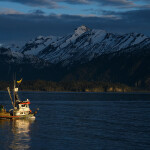
Photo courtesy of Lund's Fisheries
