






Vietnam has high expectations for growing its global seafood exports in 2024, despite huge potential obstacles.
The Southeast Asian country expects to earn USD 9.5 billion (EUR 8.7 billion) from seafood exports in 2024, including USD 4 billion (EUR 3.7 billion) from shrimp exports, USD 1.9 billion (EUR 1.7 billion) from pangasius sales, and USD 3.6 billion (EUR 3.3 billion) from other seafood products.
According to the Vietnam Association of Seafood Exporters and Producers (VASEP), the 2024 target is above the country's total seafood export value in 2023. The organization said the target was set with the expectation there will be surge in global demand during the latter half of 2024.
Despite these aspirations, achieving this higher target will require Vietnamese seafood exporters to hurdle numerous challenges, according to VASEP.
Globally, inflation has eased, but geopolitical disruptions, such as the Russia-Ukraine war, conflicts in the Middle East, and attacks on transportation vessels in the Red Sea, are impacting international trade, with a knock-on effect for the seafood industry. These have led to escalated transportation costs, as well as elevated prices for aquaculture and seafood-processing equipment. VASEP warned these factors may contribute to a potential new wave of inflation, possibly influencing seafood supply and demand in 2024.
Additionally, a glut in global shrimp supply is likely to continue through at least the first half of 2024, driving down prices and, therefore, export value.
After achieving record seafood export growth in 2022, Vietnam encountered numerous challenges in 2023 due to elevated inflation and diminished demand in key global markets.
In 2023, the country exported seafood worth USD 8.97 billion (EUR 8.24 billion) – down 17.8 percent from 2022 – which undershot its previously established target for the year of USD 10 billion (EUR 9.2 billion). Its seafood products were mainly sent to the U.S., which bought USD 1.56 billion (EUR 1.43 billion) worth of Vietnamese seafood – a decline of 26.9 percent. Japan bought USD 1.52 billion (EUR 1.4 billion), 11.2 percent lower year over year; China purchased USD 1.34 billion (EUR 1.23 billion), down 14.9 percent; South Korea bought USD 790.8 million (EUR 727 million), dropping 16.7 percent; and Australia purchased USD 313.9 million (EUR 288.6 million), which was down 13.8 percent, Vietnamese customs data showed.
One factor making analysts more bullish about Vietnamese seafood exports in 2024 is that shrimp demand in the U.S. market is gradually rebounding. But Vietnamese shrimp exporters are also expecting heightened barriers to entering the U.S. market due to an ongoing investigation by the U.S. Department of Commerce (DOC) and the likely implementation of antidumping duties, a move backed by the U.S. shrimp industry.
On 15 January, Vietnamese shrimp exporter Fimex (Sao Ta) expressed readiness to reorganize its market strategy in the event of the U.S. imposing countervailing duties on shrimp products from Vietnam. The company plans to shift its focus more toward Japan and explore further opportunities for expansion in China. However, VASEP noted that while there is an increasing demand for seafood in China, Vietnamese exporters are facing difficulties there, too, in the form of low prices and trade barriers carried out in the form of rigid environmental and food safety controls. For example, shipments of tropical rock lobster from Vietnam were blocked by China in December 2023 after new regulations were approved, ostensibly creating protections against trading in endangered species.
In response, a delegation from Vietnam's Agriculture Ministry, led by Deputy Minister Tran Thanh Nam, conducted a working visit to China in January 2024. There, they agreed to sign a protocol to facilitate the reintroduction of Vietnamese tropical rock lobster to the Chinese market, Nam said in an interview with the Nong Nghiep newspaper.
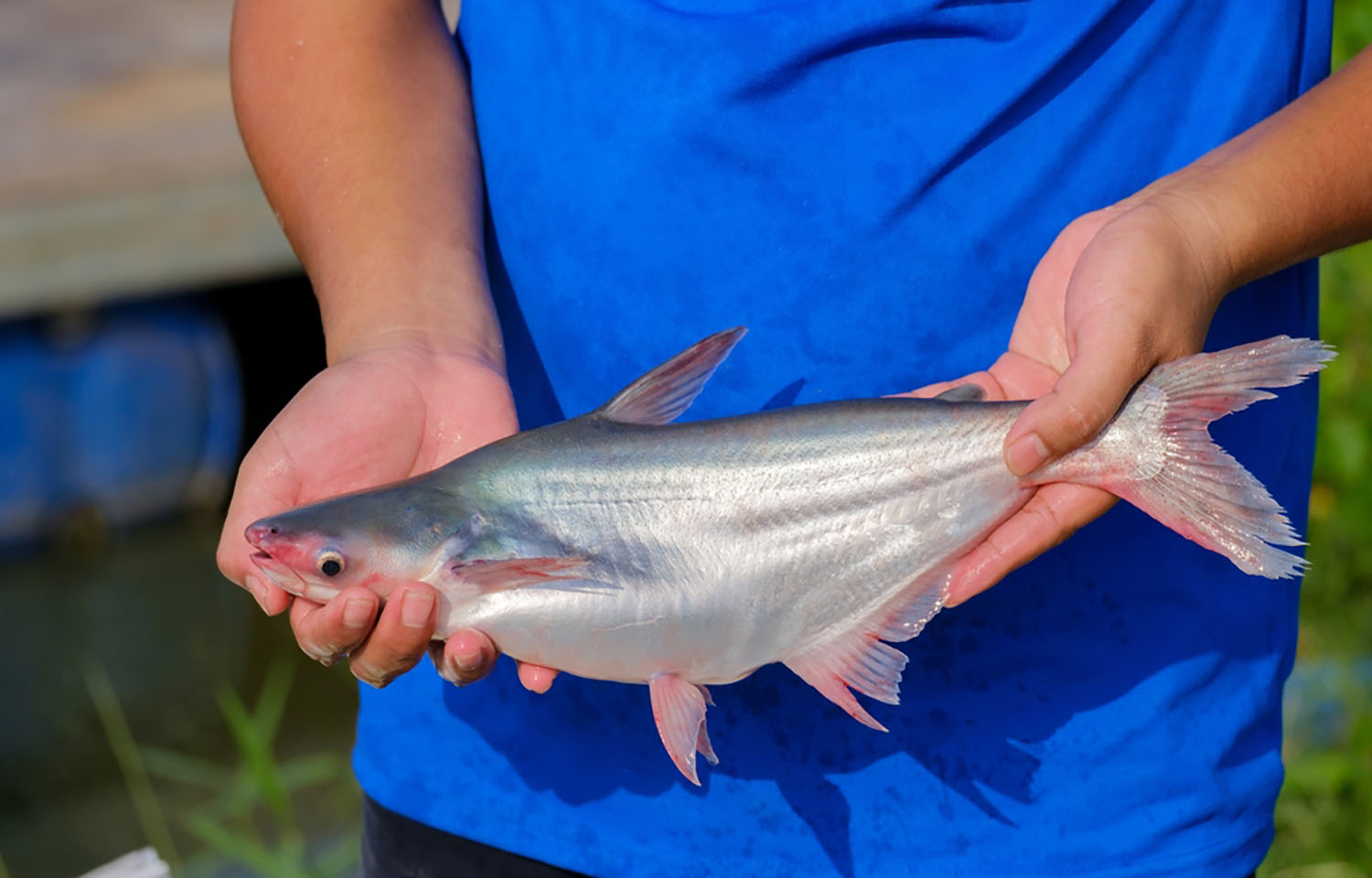
Separately, Vietnam's exports of pangasius – a key seafood commodity for Vietnam – were worth more than USD 1.8 billion (EUR 1.65 billion) in 2023 – down 25 percent year over year. China (including Hong Kong) was the top deestination for the product by value at USD 573 million (EUR 526.9 million), but that figure was down 23 percent year over year.
Signs of improvement in the pangasius trade appeared in December 2023 with Vietnam's pangasius exports rising 5 percent year over year by value to USD 158 million (EUR 145.3 million), marking the second consecutive month of sales growth. The country's pangasius exports are predicted to continue growing in 2024, with exporters no longer facing inventory concerns in the U.S., China, and the E.U., and the country's leading pangasius firms reporting increasing demand for value-added pangasius and associated byproducts.
The U.S. ban on Russian seafood, recently expanded to include Russian seafood processed in third countries, is also presenting an opportunity for businesses exporting Vietnamese pangasius to the U.S, according to VASEP.
Forecasts for 2024 suggest an increase in pangasius export prices. However, disruptions to marine traffic in the Red Sea could potentially add costs to what is perceived to be a value-oriented species, harming sales, according to VASEP.
Vietnam has missed its export targets numerous times in recent history. In 2019, it fell short of its USD 10.5 billion (EUR 9.4 billion) target, and in 2021, its most important markets shrank during the Covid-19 pandemic.
Photo courtesy of Son Truong/Shutterstock
