



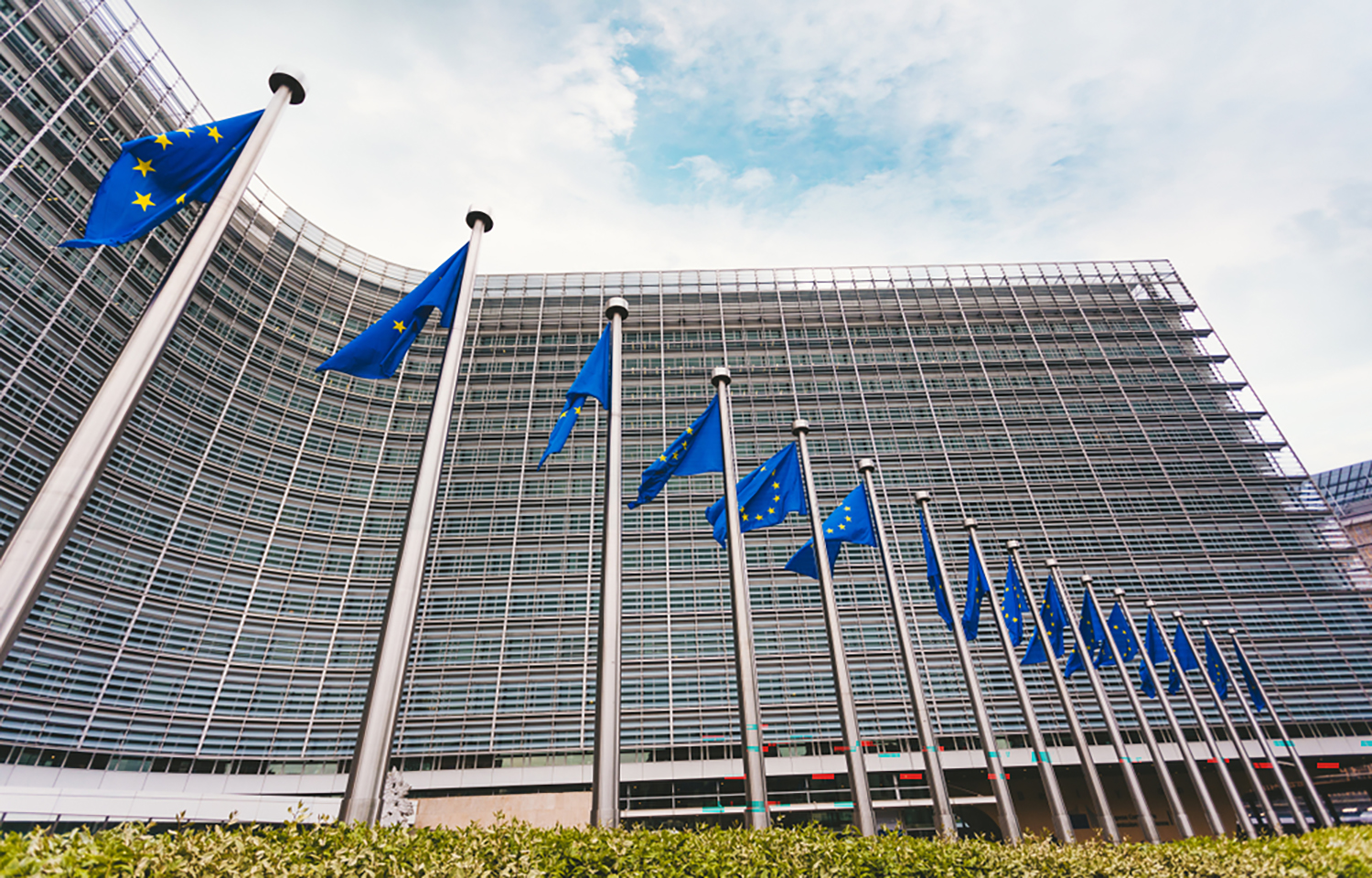
The European Commission recently released a Protein Action Plan, which among several goals aims to reduce import dependency and increase the supply and use of E.U.-grown protein.
Though the action plan largely prioritized integration with the bloc’s livestock and plant-based agriculture sectors, it left aquatic foods outside of the policy’s wider framework.
The European Union Seafood Alliance (EUSeA) – bringing together seafood industry representative groups Seafood Europe, EAPO, Europêche, FEAP, and EMPA – welcome the plan for its greater emphasis on Europe's food security and protein resilience but voiced its disappointment at the framework’s exclusion of aquatic foods, especially as this protein source directly contributes to nutrition, food security, employment, and industrial value creation across the E.U.
"We are aware that the commission's protein strategy refers to fish and seafood specifically to clarify that fisheries, aquaculture, and their processing sectors fall outside its scope," Seafood Europe President Guus Pastoor told SeafoodSource. "This is, therefore, not simply an omission. Aquatic foods have been expressly separated from the wider E.U. protein framework."
Pastoor stressed the exclusion doesn’t introduce new legal restrictions, but he warned it could have strategic implications on how the sector is treated in future policymaking. For instance, he said it could reduce the sector's visibility within future initiatives on protein resilience, food security, nutrition, circularity, industrial modernization, and strategic autonomy.
"E.U. policy frameworks influence political priorities, funding, research, innovation, investment, and the development of future legislation," he said. "When aquatic foods are excluded from the principal protein agenda, their contribution risks receiving insufficient attention across these areas."
Pastoor also warned such an exclusion risks reinforcing a fragmented policy landscape where seafood continues to be viewed largely through the lens of fisheries management rather than as an integral part of Europe's wider food system.
"This is particularly relevant because the seafood value chain connects E.U. fisheries and aquaculture production with responsible international sourcing, processing, cold-chain logistics, retail, and foodservice," he said. "These activities are essential to maintaining availability, affordability, consumer choice, and industrial value creation in Europe."
That fragmented policy landscape, according to Pastoor, has stymied the bloc’s seafood industry from fully realizing advancements elsewhere.
Seafood processors, for example, have begun to widely recognize the significant untapped potential within processing side streams and byproducts, which can contain valuable proteins, oils, collagen, minerals, and functional compounds suitable for various applications.
"Under appropriate safety, technical, and market conditions, they can be used in food and feed ingredients, nutraceuticals, cosmetics, biomaterials, packaging, fertilizers, and other bio-based applications," he said. "There may also be opportunities to develop responsible value chains for invasive species and species with limited current market demand."
For seafood processors, Pastoor said these additional value streams could generate new revenue while reducing waste disposal costs and improving raw material utilization. They could also stimulate research partnerships and create new industrial opportunities throughout Europe.
However, he said the full potential of these opportunities will only be realized with policy that actively considers seafood from the outset, as compared to the overlapping rules covering food, feed, animal byproducts, waste, chemicals, and product legislation that companies currently face.
"The difficulty is converting these solutions into viable and scalable commercial value chains,” Pastoor said. "Policy should, therefore, support uses that deliver the best overall value, taking account of resource efficiency, environmental performance, technical feasibility, and market conditions."
Pastoor said his organization is looking toward the commission's forthcoming Vision for Fisheries and Aquaculture 2040 to possibly offer seafood greater visibility in wider policymaking conversations.
"The vision should recognize the full contribution of aquatic foods to healthy diets, food security, competitiveness, circularity, resilience, and strategic autonomy. In our view, this requires a clear and operational Action Plan for Blue Foods,” Pastoor said. "An Action Plan for Blue Foods should connect existing policy areas … identify regulatory barriers, support industrial scale-up, and establish a clear route from innovation to market.
Nevertheless, he cautioned that Seafood Europe has not “seen sufficient public indication that the forthcoming vision will include the comprehensive and operational framework for which the sector has called.”
While the seafood sector tries to ensure its prioritization in policymaking, Pastoor said collaboration across the seafood value chain will be essential.
