



Seafood industry leaders in Europe are warning that 2026 could bring further strain upon the bloc’s whitefish processors unless policymakers act quickly to secure access to raw materials, accelerate investments in aquaculture, and simplify trade frameworks.
Helping to sound the alarm is Seafood Europe, formerly known as AIPCE-CEP, which recently published its “E.U. Seafood Supply Synopsis 2025” report.
The report highlighted that sanctions restricting Russian supplies and declining quotas in the Barents Sea, amid other pressures, are key contributing factors to an uncertain outlook for the E.U.’s whitefish sector.
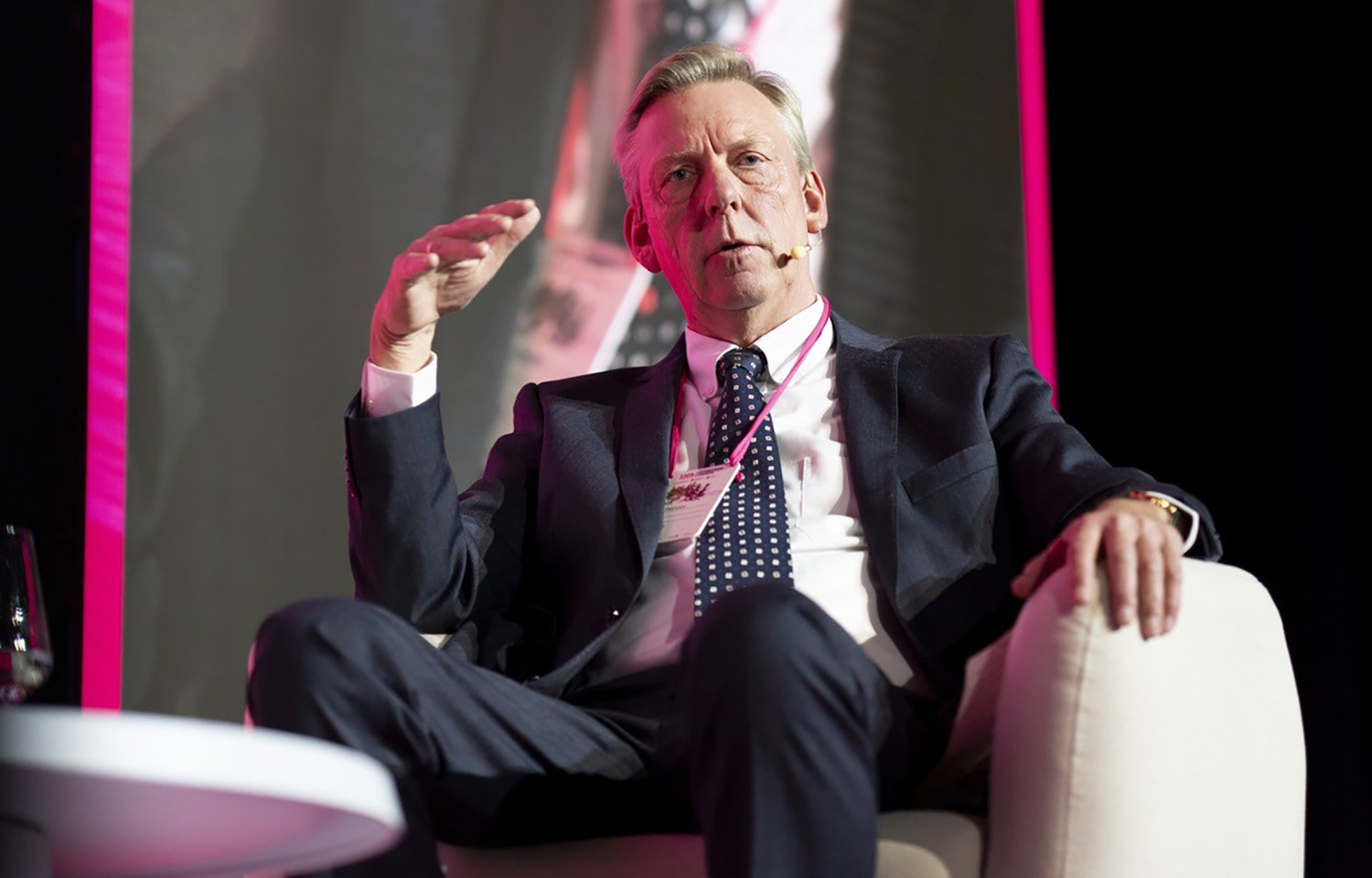
“The sanctions on Russia impact the E.U. whitefish market, and whether and when they will disappear is unknown. For the moment, we must consider a lot of this supply to remain inaccessible for the market for an undefined time period,” Seafood Europe President Guus Pastoor said. “The declining quota in northern waters is a different issue. We must assume that through solid fisheries management, the stocks can recover in the long run. In the short term, the effect of both issues is pressure on the whitefish market, so 2026 will be a different year.”
To mitigate some of that pressure, Seafood Europe is urging the E.U. to maintain flexible trade mechanisms, particularly within its Autonomous Tariff Quota (ATQ) system, to ensure processors can keep plants running and workers employed. This is especially important with the E.U. being so heavily dependent on whitefish imports; Seafood Europe’s report found that around 94 percent of the bloc’s whitefish supply was imported in 2024.
“We must focus policy on market access,” Pastoor said. “That means introducing new species into the ATQ regulation or adjusting quantities when needed – quickly, not after years of review. The E.U. is on the right track with new trade and fisheries agreements, but these must be handled case by case to ensure balanced outcomes.”
The next ATQ review the E.U. will conduct will consider introducing sustainability criteria, which Pastoor said must be handled carefully in order to not constrict processors further.
“The exclusion of Russia from ATQs is a political fact, but in principle, ATQs are connected to products, not origins,” he said. “If we add sustainability criteria here, we risk overlap with existing rules on IUU fishing, forced labor, and traceability. We support sustainability, but it should be handled through overarching E.U. legislation to ensure a level playing field.”
Pastoor added that ATQ tariffs on raw materials put a tax on value-added processing operations and, therefore, employment in Europe. As such, he’s urging policymakers to distinguish between fish imported for processing and finished products entering the bloc.
“The starting point is we want to have as much processing in Europe as possible with as much European fish as possible. The products that come out of our factories are ‘Made In Europe,’ whatever the origin. That’s something we like to be proud of and that should be valued,” he said. “You can create barriers for imports of materials, but that will drive up costs of processing in Europe and stimulate imports of processed products from countries where costs are lower. That in turn will be counterproductive for European primary producers because they lose their buyers. The consistent high import dependency demonstrates that we cannot source sufficient materials in Europe to supply the market. It also demonstrates that [E.U.] fishermen have good opportunities to sell their products to processors and traders because there is high demand. Prices for many species are high, and despite those prices, we normally don’t see E.U. catches remaining unsold.”
Besides flexible trade instruments, farmed fish production should also help offset some supply pressures, according to Seafood Europe. The organization’s recent report said that in 2024, E.U. aquaculture output rose across several species, including pangasius (+12 percent), seabream (+2 percent), seabass (+7 percent), and tilapia (+8 percent).
Nevertheless, Pastoor said the potential of aquaculture in Europe is still far from being met.
“We’d like to see more aquaculture volumes in Europe; there is potential,” he said. “But, the lack of political will to prioritize food production in marine areas and complex environmental regulations make investors reluctant to take big steps. If policymakers want more aquaculture, they must make choices. Promotion campaigns alone won’t solve this.”
As part of this policy push, Pastoor explained that aquaculture and wild-capture fisheries should be seen as complementary, not competing sectors.
“In the end, what the consumer wants is value for money, and it doesn’t always matter if it’s wild catch or aquaculture. Also, value for money doesn’t mean low prices; it’s presenting a product the consumer appreciates,” he said. “Aquaculture is not a separate product category. Seafood is seafood. We should consider aquaculture as an important production method, just like wild catch. Both go into the same processing factory and into the same market.”
