


The Alaska salmon industry enters the 2026 season after a year marked by heavy industry consolidation, especially in the processing sector.
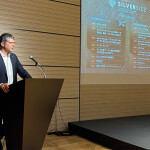
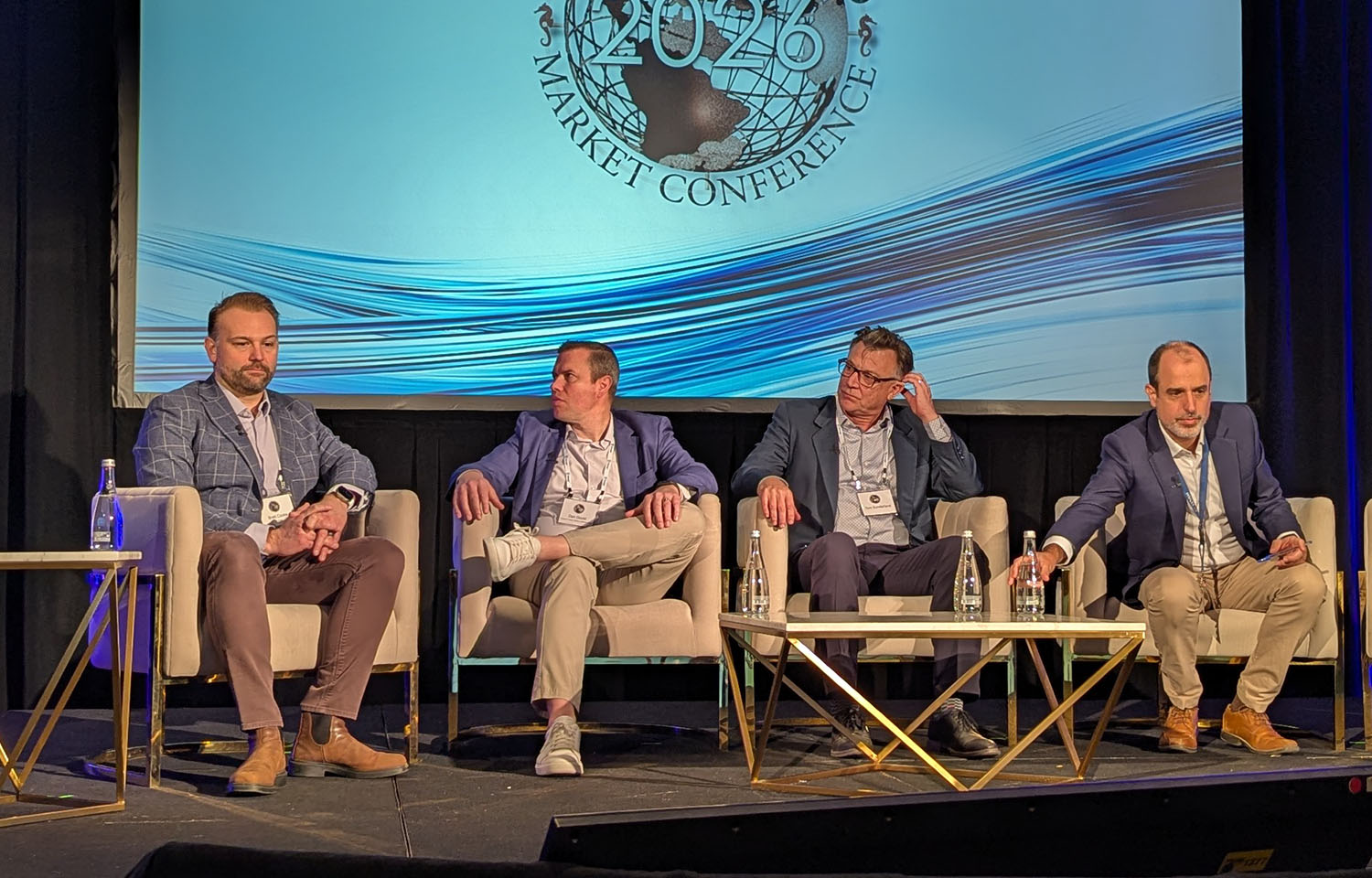
Tom Sunderland, a consultant with years of experience in the Alaskan salmon industry, said during the 2026 Global Seafood Market Conference, which took place 18 to 22 January in Hollywood, Florida, U.S.A., the state's canning industry is now largely in the hands of Silver Bay Seafoods after it acquired a number of other Alaskan companies and facilities in recent years.
“We’re seeing Alaskan salmon primarily in the hands of two companies after the recent wave of consolidation,” he said. “The hope is that this is a good thing because this should hopefully provide stability.”
Sunderland said industry consolidation isn’t new to Alaska, and 25 years ago, it went through a similar wave of M&A activity that resulted in it going from 15 or 20 major players down to "six or eight.”
During that time 25 years ago, there were a lot of different players competing in the salmon space, he said, resulting in whichever company that was financially weakest setting the market.
“They would drive it down for the other producers,” Sunderland said.
Additionally, Alaska has not historically thought of its products from a market trend viewpoint and, instead, thinks in a way that’s production-focused due to the nature of the salmon fishery, Sunderland said.
With more consolidation and specialization in the industry, however, that could begin to shift.
As the industry prepares for the 2026 season, Sunderland said that inventories are “pretty tight” and harvests are predicted to be somewhat down compared to what they were in 2025, for both pinks and potentially for sockeye as well.
In light of that, he said any buyer interested in wild salmon needs to get in touch with suppliers as soon as possible to begin preparing for the season.
“Talk to them sooner rather than later. Consider the fact that most of the sockeye salmon in the world comes from Bristol Bay, Alaska, and the majority of that comes out of the water in three weeks,” Sunderland said. “So, when all hell breaks loose in Alaska, they don’t have any chance to change what they’re doing; they’re just going to respond to what’s happening now.”
He said companies need to plan well ahead of the season and said Seafood Expo North America, taking place 15 to 17 March in Boston, Massachusetts, U.S.A., is one place some of that planning happens.
“My really strong recommendation is talk to the producers now because they’re deep into production planning,” Sunderland said. “Alaska doesn’t have any roads; a lot of places don’t have any grid at all and produce completely remotely. Everything has to be planned months in advance and be barged up there for whatever packaging, for whatever product form they’re planning on. They’re doing that right now.”
