



Correction: This article has been edited to correct the four genetically distinct groups identified in the study, and remove the claim that research addresses overfishing threats to Pacific cod.
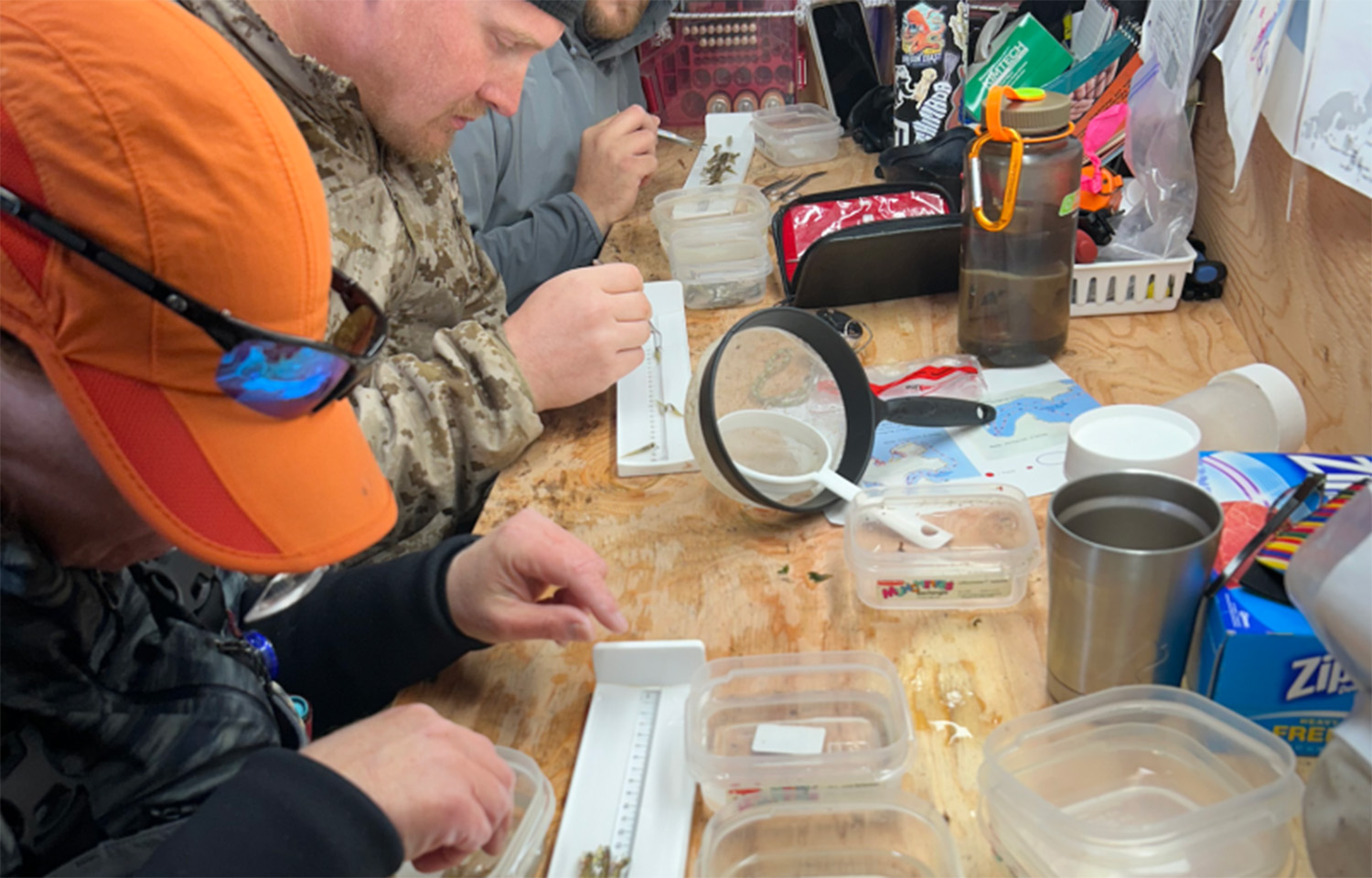
A team of NOAA researchers from NOAA's Alaska Fisheries Science Center, the University of Alaska Fairbanks, and Alaska BioMap have been working on identifying genetic stocks of Pacific cod in Alaska to build a cost-effective genetic database full of assessments.
Breaking the population into four stocks – eastern Gulf of Alaska, western Gulf of Alaska/eastern Bering Sea, Aleutian Islands, and northern Bering Sea – researchers measured stocks by estimating the spawning biomass, or the number of females able to reproduce, according to a release by NOAA.
“We were interested in using advanced genetic techniques to determine genetic differences among Pacific cod from different regions in Alaska,” lead author of the study Sara Schaal said. “We collected samples from fish caught in known spawning grounds during the NOAA winter trawl surveys and from our fisheries partners within the Freezer Longline Coalition.”
In conclusion, researchers confirmed the importance of Pacific cod in the Gulf of Alaska and Bering Sea, given the harvest totaled 374 million pounds in 2024, which is valued at USD 106 million (EUR 90.3 million). The research in this study confirmed NOAA’s management techniques “generally align with the genetic structure across this region,” excluding the western Gulf of Alaska and the eastern Bering Sea.
Researchers first conducted whole-genome sequencing, the release said, to identify the four types of Pacific cod. As a result, researchers found “significant genetic mixing” between the Pacific cod in the western Gulf of Alaska and the eastern Bering Sea due to high levels of movement between the two areas outside of spawning season. As a result, researchers used the current genetic sequencing data to build and implement a panel of genomic markers through a method called “Genotyping-in-the-Thousands by Sequencing (GT-Seq)” to delineate the four genetically distinct stocks with 90 percent or greater confidence. NOAA added that the GT-seq panel will be “a cost-effective and powerful way to investigate many research questions on the ecology of Pacific cod.”
“We were interested in how much mixing occurs between genetically distinct stocks during the periods when they are not concentrated on their spawning grounds,” Schaal said.
With the new data reference guide, NOAA said stock assessment modelers are able to reference the organization’s findings and relate them to recent tagging work on Pacific cod to “ensure accurate management strategies,” which further aids more research on the species.
“Ultimately, these advancements are incredibly valuable to help ensure the sustainability of these fish stocks and their fisheries,” NOAA said in the release.
For continued research on Pacific cod with an unknown origin, NOAA researchers were able to use the GT-seq panel to collect juvenile cod from nursery grounds in different areas of the Gulf of Alaska, as well as adult cod during the summer non-spawning season, to identify limited seasonal movement in three out of the four areas.
In the Bering Sea, researchers found significant mixing in the north, and western Gulf of Alaska/eastern Bering Sea stocks during the non-spawning months.
“Future tagging efforts combined with GT-seq analysis would help to better understand movements between the northern and eastern Bering Sea,” the release said. “Tagging studies complement genetic data by providing additional information on fish movement.”
Other findings included identifying larvae movement westward along the Alaska Coastal Current towards Shelikof Strait or to the coastal nursery grounds of the eastern Gulf of Alaska due to eddy formations. This data will help “inform expectations of oceanographic models on early life stage Pacific cod,” NOAA said.
