




Uganda has activated its new Fisheries and Aquaculture Act, paving the way for the landlocked nation to implement measures that will help increase its annual fish output to 1.7 million metric tons (MT).
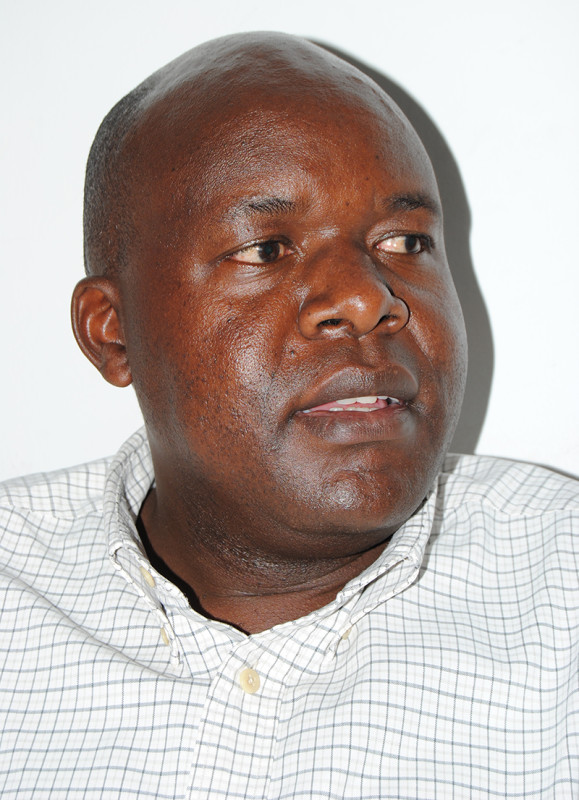
Uganda State Minister for Fisheries Robert Ndugwa said the new law outlines several measures the government plans to take in tackling impediments to sector growth, such as declining fish stocks attributable to illegal fishing practices and the lack of a streamlined process for issuing fishing permits.
Under the new law, Uganda has established a Monitoring, Control, and Surveillance Unit to strengthen fisheries enforcement.
"The government will intensify crackdowns and enforcement against markets dealing in immature fish, importers of illegal fishing gear, and distributors of illegal fishing equipment," Ndugwa said.
He explained the new law should help remove barriers toward effective conservation of the nation’s fisheries and the ability of Uganda to maximize its blue economy resources, citing such illegal fishing practices as continued importation and use of locally manufactured illegal fishing gear and the excessive use of lights during silverfish fishing as previous hindrances toward improvement.
“These challenges have resulted in reduced fish production and productivity, inadequate fish supplies for processing industries, reduced foreign exchange earnings, and insufficient fish available for domestic consumption,” he said.
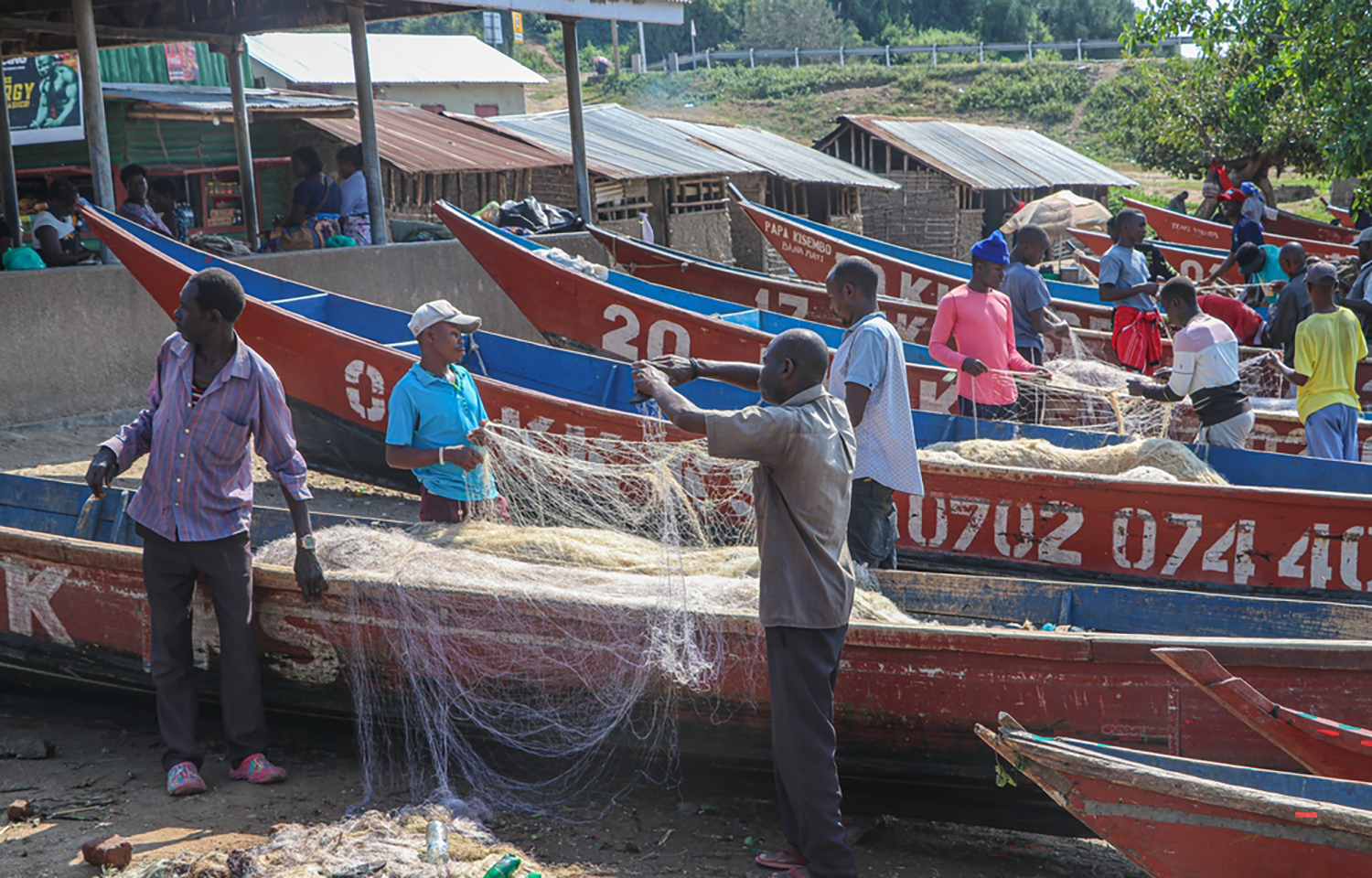
Elsewhere, the regulations include limiting the maximum number of fishing boats allowed per body of water, including in the lakes of Victoria, Kyoga, Edward, and Albert.
Additionally, licenses will now become species-specific.
"For example, a license for Nile perch fishing will be different from a license for Nile tilapia fishing, and each fishing activity will require its own license. Licenses will be non-transferable," Ndugwa said, adding that the government will also soon “begin enforcement operations aimed at reducing excess fishing capacity, including the removal of unlicensed fishing boats.”
Although the practice has not been effective previously, the government has also recommitted to practice a closed fishing system, which includes “temporary closure of fishing activities in specific water bodies, locations, or periods based on scientific research.”
Other measures to improve the sustainability of Uganda's fisheries include the identification, demarcation, and protection of fish breeding grounds, as well as the enforcement of fish quality assurance parameters to ensure the safety and quality of fish and fish products intended for human consumption.
Moreover, Ndugwa said Uganda now has regulations to manage the harvesting and trading of fish maw due to “its unique commercial value.” Traders, processors and exporters of fish maw must obtain permits from the country's chief fisheries officer and ensure the product complies with export and import requirements specified in the new regulations.
The minister said the new law should help Uganda address its 950,000-MT fish deficit and achieve its goal of 1.7 million MT of annual fish output, 1 million MT of which is slated to come from aquaculture sources.
