





The U.K.’s seafood industry has long exported many of the premium species harvested from its waters while importing large volumes of other products.
As a result, many consumers have little understanding of what’s actually being landed in U.K. waters, and as the export-driven model is reinforced, fishers are frequently finding stronger markets overseas.
According to Charlotte Dawe the situation has left many Brits detached from the rich diversity of species landed up and down the nation’s own coastline.
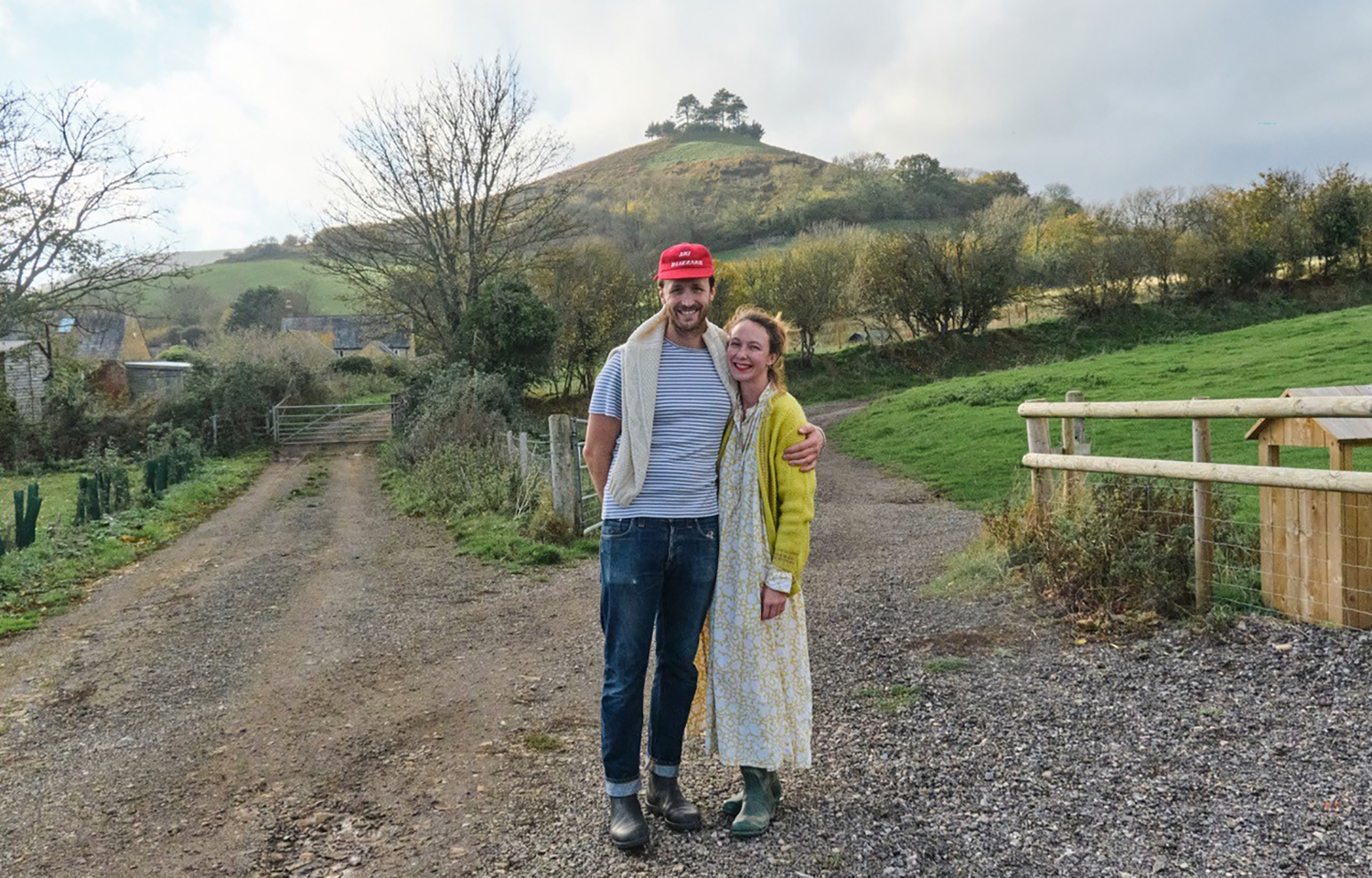
Aiming to bridge that gap, Dawe co-founded Dorset, U.K.-based craft cannery Sea Sisters in 2020 along with her partner Angus Cowen.
"We absolutely love fish," she told SeafoodSource. "We've traveled extensively and realized that many countries have an incredible culture around their seafood, but here in the U.K., there's a huge disconnect between consumers, the supply chain, and our fishing industry."
Dawe and Cowen have built Sea Sisters’ reputation around premium tinned seafood, or “conservas,” produced exclusively from U.K.-caught species.
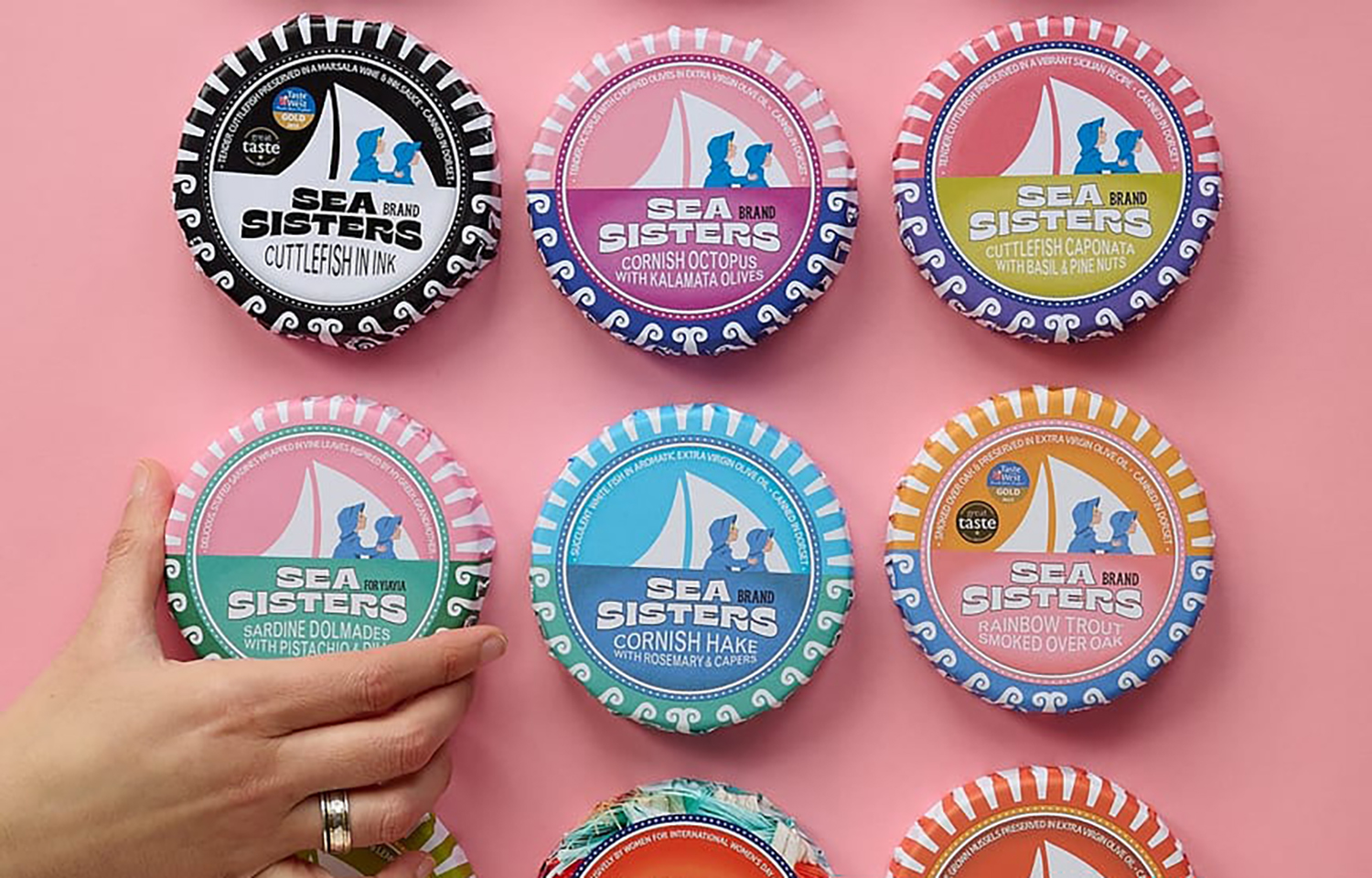
Its first offerings – Cornish Pollack with Garlic and Bay, Mussels in Cider Vinegar, and Mussels with Nduja – were launched in 2021, and today, its fast-growing customer base can also choose Cornish sardines and hake, cuttlefish, rainbow trout, Welsh cockles, and Norfolk whelks in a variety of sauces.
Unlike traditional canned seafood brands Sea Sisters – the name of which references Dawe and Cowan’s two daughters – aims to place provenance at the center of every product; rather than simply telling customers what species they're buying, Sea Sisters introduces them to the fishers, ports, seasons, and fishing methods behind each can.
"We are a mission-led brand," Dawe said. "We have a responsibility to talk about British fish. It’s some of the best you’ll find anywhere in the world. When people hear about how much seafood is exported while so much is imported, they're genuinely frustrated. Most of the time it's simply ignorance. As soon as that ignorance is replaced with education, people quickly realize they do want to buy British fish."
One of the company's defining characteristics has been its willingness to champion lesser-known species alongside more familiar favorites. Customers often begin with trout or sardines before gradually discovering products such as cuttlefish preserved in its own ink, according to Dawe.
"Success for us is seeing people try species they wouldn't ordinarily have considered," she said. "We do that by adding value to every fish within our range."
The brand’s strategy mirrors ongoing efforts across the global fishing industry to improve utilization of underused species and reduce the reliance on the narrow portfolio of commercially dominant fish.
Dawe said every sourcing decision for Sea Sisters balances environmental considerations with commercial reality and close relationships with fishing communities. The company works directly with Cornish sardine fishers, sourcing fish caught just a few miles offshore by relatively small vessels. For its cuttlefish, it chose to work exclusively with pot-caught fisheries, recognizing both the lower environmental impact of the gear and the heritage of coastal fishing communities like Hastings.
"Our sourcing decisions are always nuanced," Dawe said. "We know the boats, we know the fishermen, and we have enormous respect for what they're doing."
Those relationships allow Sea Sisters to tell consumers far more than simply where a product originated. Each and every can becomes a story about seasonality and craftsmanship, helping rebuild the public’s connection with Britain's small-scale fisheries.
Hastings cuttlefish fisher Lucy Phillips said that connection begins with transparency.
The Hastings pot-caught cuttlefish fishery is highly seasonal, with fishers targeting mature animals as they migrate inshore to spawn, with the overwhelming majority of eggs carefully returned to the sea. Despite cuttlefish sustaining much of the remaining under-10-meter, beach-launched fleet each spring, including the 7-meter boat Phillips works on with her partner Paul Stanley, few local consumers recognize either the fishery or its environmental credentials.
"We're a very small-scale fishery," she said. "Everything we do is sustainable.”
Of those who like knowing how their food is caught, there is an appreciative understanding that the fishery is not affecting other stocks, that the eggs are going back into the water, and that these are animals at the end of their life cycle, Phillips said.
Phillips said she believes Sea Sisters, which sources cuttlefish from Brixham Fish Market, helps tell that story by emphasizing provenance rather than treating it as an afterthought.
"They definitely make people aware of different products," Phillips said. "It's all about U.K. seafood. It raises the profile of species caught here and helps people realize that cuttlefish isn't just something you eat on holiday in the Mediterranean. We catch them here, too.”
Growing that awareness is key, she said, as it’s “probably that fishery that’s just about keeping the Hastings fleet afloat right now.”
First-generation whelk fisherman Ashley Mullenger sees a similar benefit.
Although most of her whelks, caught from an 8-meter boat on the Norfolk coast, continue to be exported to Asia, seeing British-caught shellfish reaching U.K. consumers through Sea Sisters represents something more than another sales channel opening.
“It means the world," she said. "We're an island nation surrounded by seafood, yet we export most of what we catch. Anything that makes British seafood more accessible is a good thing."
Mullenger, who has amassed a considerable Instagram following as “The Female Fisherman,” said she believes Sea Sisters’ ready-to-eat format removes one of the biggest barriers preventing consumers from trying unfamiliar species.
"It takes away all the fuss,” she said. “People might try something they wouldn't otherwise have bought and then hopefully they'll go on to look for British seafood instead of imported alternatives. It's also about making sure we're selling to people who genuinely value our catch – people who understand the value of seafood and everything that goes into producing it. We probably do things differently from a lot of people, but as a small business owner, I know exactly what it costs to put my boat to sea and cover my operating costs. Sea Sisters completely understands that, too, which is fantastic.”
Like the fishers from whom they source, Sea Sisters also deliberately embraces seasonality. Products regularly sell out before the next fishing season begins – a reality the company sees as an opportunity rather than a commercial weakness.
"As consumers, we've become used to expecting everything year-round," Dawe said. "But, waiting for something to come back into season is part of being human. Our cuttlefish often sells out before Christmas. Then, in January and February, customers start asking when it's coming back."
Although preserved seafood offers a long shelf-life, production still depends entirely on what British fisheries land each season.
"We operate much more like a fresh fish business than people realize," she said.
Being a relatively small producer has also given Sea Sisters the flexibility to experiment. While large international canneries typically focus on high-volume production of globally traded species, Sea Sisters instead produces limited batches that reflect seasonal availability and allow the business to showcase species and stories that larger manufacturers might overlook.
"We're small enough to be agile," Dawe said. "That gives us the opportunity to champion species people wouldn't normally know about."
Ultimately, Dawe said she believes rebuilding Britain's relationship with its own seafood could benefit every part of the supply chain.
"I'd love to see more British fish bought and eaten here in Britain," she said. "That means stronger food security, a greater understanding of what's in our own waters, and more young people coming into the industry."
Achieving that vision, however, will require more than entrepreneurial businesses like Sea Sisters, Dawe said, explaining that government support for small food producers in the U.K. remains limited compared with many European countries.
"The fact we exist sometimes feels like a miracle," she said. "We care about every single stage – from the fishing methods and the people catching the fish to the quality of the finished product. Success for us is simply being able to continue taking up space in the market."
