






The U.S. House of Representatives voted in favor of giving the U.S. Department of Justice more tools and authority to crack down on international trade crimes, with lawmakers singling out Chinese exports.
"China has spent decades finding ways to undermine American workers and our economy. My bill will finally give the DOJ real tools to stop these blatant violations and ensure penalties are meaningfully enforced. Today’s bipartisan passage is a huge win for American workers and domestic manufacturing – let’s make it the law of the land ASAP,” U.S. Representative Ashley Hinson (R-Iowa) said in a release.
On 31 August, the House voted in favor of the Protecting American Industry and Labor from International Trade Crimes (PAIL) Act in a voice vote. If passed into law, the PAIL Act would create a structure within the Justice Department’s Criminal Division dedicated to investigating and prosecuting trade crimes and support parallel criminal and civil enforcement actions.
“Today’s unanimous House passage of the PAIL Act is an important victory for American workers and manufacturers who have been forced to compete against companies based in the [People’s Republic of China] that violate U.S. trade laws. Tariff evasion, illegal transshipment, forced-labor violations, and other trade crimes hurt American workers and undermine our industries. Our bipartisan bill gives the Justice Department dedicated resources and expertise to investigate and prosecute these crimes and hold repeat offenders accountable,” U.S. Representative Raja Krishnamoorthi (D-Illinois) said in a release.
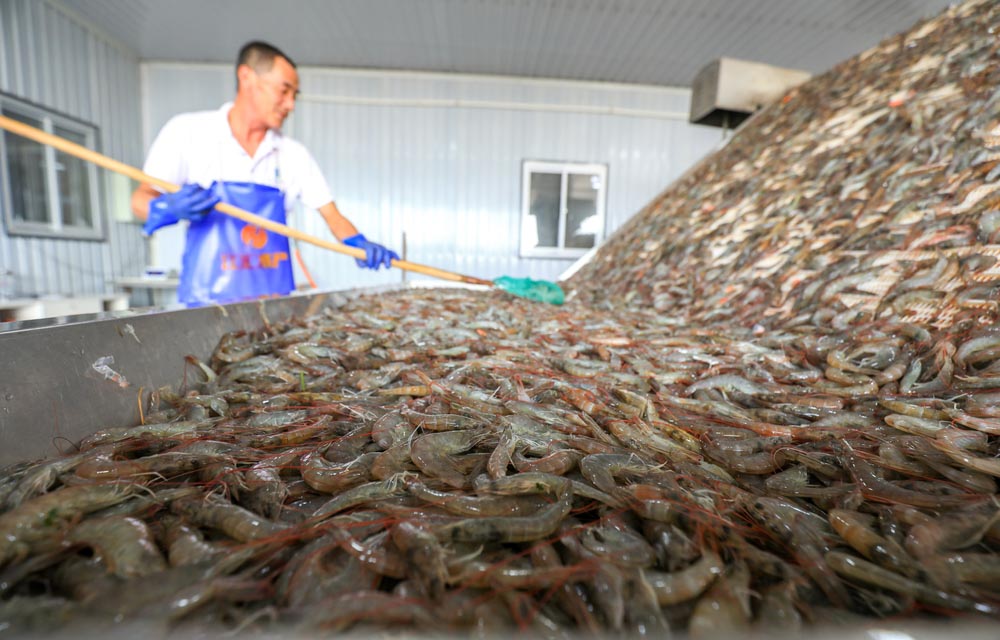
The Southern Shrimp Alliance (SSA) praised House lawmakers for passing the bill, highlighting major trade violations involving Chinese shrimp imported in the early 2000s. The industry group noted that there were no prosecutions for the trade violations.
“For twenty-five years, we’ve fought trade crime with one hand tied behind our back, watching fraudulent practices proliferate. The PAIL Act finally equips federal prosecutors to go after the trade criminals who’ve cost American taxpayers hundreds of millions of dollars a year,” SSA Executive Director Blake Price said in a release.
The legislation will need to also be passed by the U.S. Senate before being sent to the president to be signed into law.
“The Senate should pass the PAIL Act without delay and send it to the President’s desk,” Krishnamoorthi said.
