



U.S. Congress has sent the Illegal Red Snapper and Tuna Enforcement Act to President Donald Trump to be signed into law after the Senate agreed to changes made to the legislation in the U.S. House of Representatives.
The legislation aims to enable law enforcement to test where seafood products originated from, helping officers suss out products harvested through illegal, unreported, and unregulated (IUU) fishing.
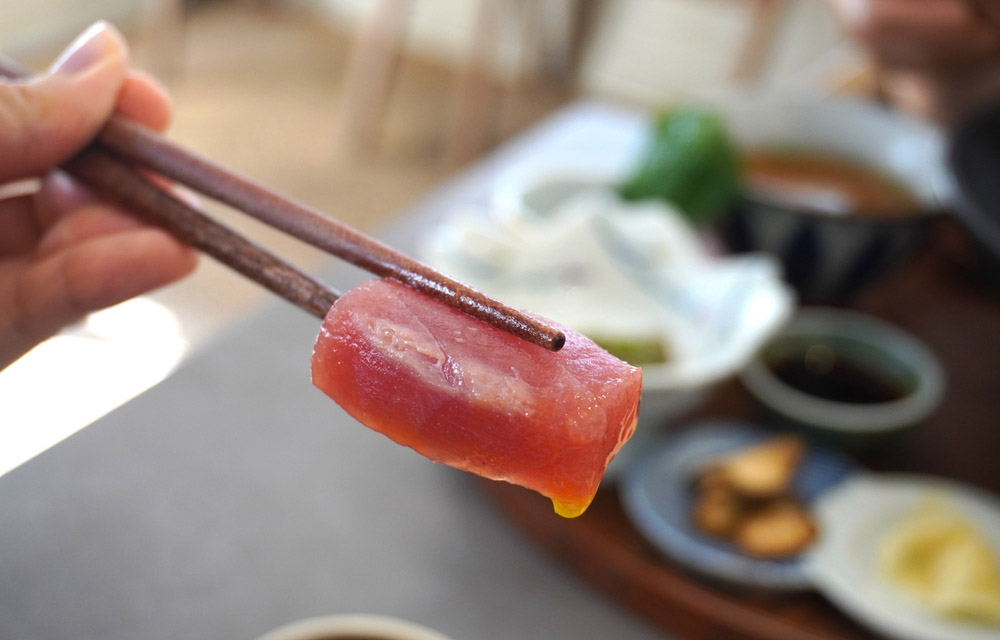
The bill directs NOAA Fisheries and the National Institute of Standards and Technology (NIST) to jointly develop a standard methodology for country-of-origin testing that must utilize an easily carried field test capable of conducting a chemical analysis on prepared food, including raw products like ceviche, sashimi, sushi, and poke, “to the extent practicable.”
“NIST scientists have developed chemical methods to identify the geographic origin of foods like beef, honey, fruits, and rice. This bill would build on that expertise to give law enforcement another tool to combat illegal, unreported, and unregulated fishing and seafood fraud,” U.S. Representative Brian Babin (R-Texas) said on the House Floor on 14 September during debate on the legislation.
The law specifies that a pilot program for the methodology should focus on red snapper and tuna, with the former being a stationary stock and the latter being a highly migratory stock.
U.S. Representative Aumua Amata Coleman Radewagen (R-American Samoa), who co-sponsored an earlier House version of the bill, said the legislation was necessary to crack down on illegally caught foreign seafood that undermines domestic seafood.
“This is a good bipartisan effort to safeguard U.S. tuna and protect American Samoa’s share of the market by better identifying IUU-produced tuna and preventing American imports of illegal competition that undercut our fishing,” she said. “As part of our national food security, we need a dependable U.S. fishing supply that’s not forced to compete against fraudulent IUU bad actors. I appreciate key leaders on both sides of the aisle recognizing the need for this initiative to help keep our fishing competitive.”
The Senate first passed the Illegal Red Snapper and Tuna Enforcement Act by unanimous consent in July 2025. More than a year later, the House took up the legislation, passing an amended version 14 September via voice vote.
The amended bill made minor changes to the legislation, for instance, clarifying that the test will not only be used to combat IUU fishing but seafood fraud, as well. More notably, the House version eliminated a provision authorizing the U.S. Department of Defense to spend operation and maintenance funding to combat IUU fishing. The original language of the Senate bill indicated that money could be spent on “providing observers, shipriders, and specialized personnel to deploy with such maritime forces in addition to remote sensing, analysis of data, and operational intelligence.” Those changes were recommended by the House Science, Space, and Technology Committee during a February 2026 markup of the House version of the legislation.
On 24 September, the Senate agreed to the changes made by the House, sending the legislation to Trump to be signed into law.
“While Texas fishermen are hard at work, illegal cartel-backed entities are catching and smuggling red snapper into U.S. markets, undermining law-abiding businesses in Texas and along the Gulf Coast. This bill, which will soon be signed into law by President Trump, puts a hard stop on this illegal activity. It cracks down on these corrupt operations by giving law enforcement the tools they need to protect our fishermen, their businesses, and our communities," U.S. Senator Ted Cruz (R-Texas), who co-sponsored the bill, said in a release.
